Search Icon




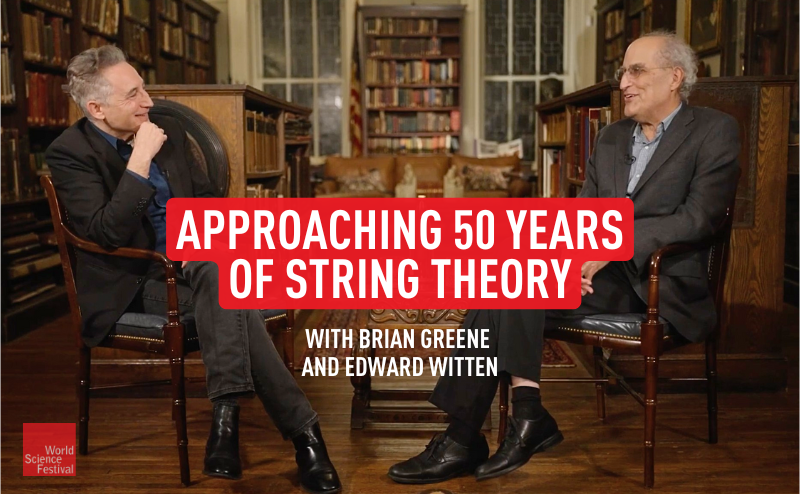
Edward Witten, widely regarded as one of the greatest living theoretical physicists, sits down with Brian Greene to explore the deepest questions at the frontiers of modern science. From string …
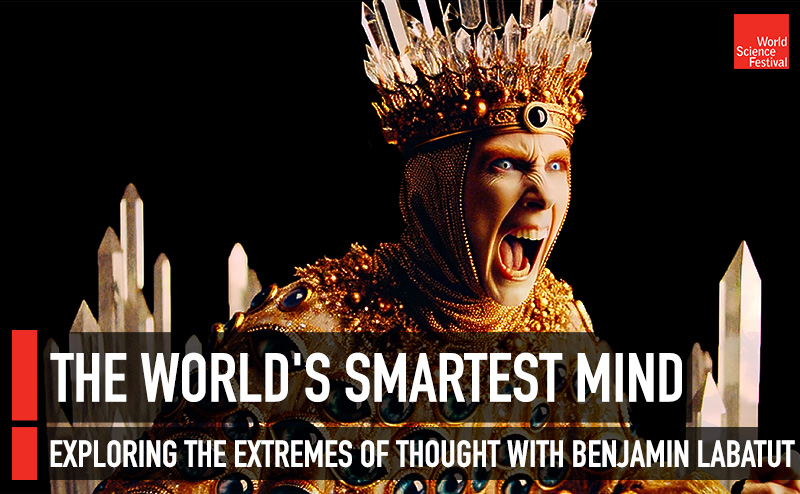
Bestselling author Benjamin Labatut joins Brian Greene for an exploration of the extremes of the human mind, centering on one of its most extraordinary incarnations—polymath John von Neumann–delving into existential …
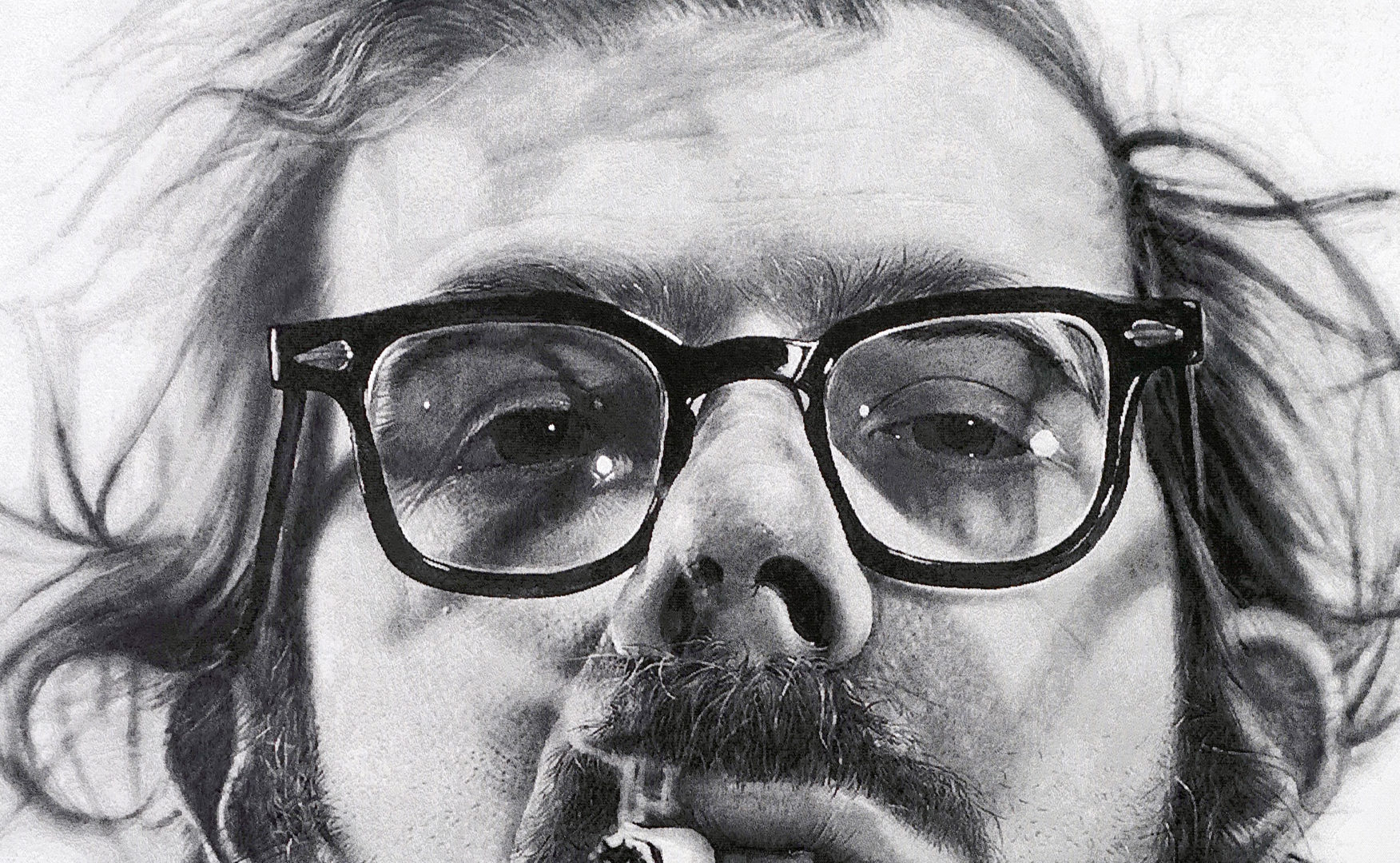
What makes Mona Lisa’s smile so intriguing? What makes Picasso’s portraits so compelling? Kurt Andersen hosts artists Chuck Close and Devorah Sperber, with neuroscientists Margaret Livingstone, Chris Tyler and Ken Nakayama, as they examine the power of brain imaging technology to illuminate how we perceive the most intimate yet public of features, the human face.
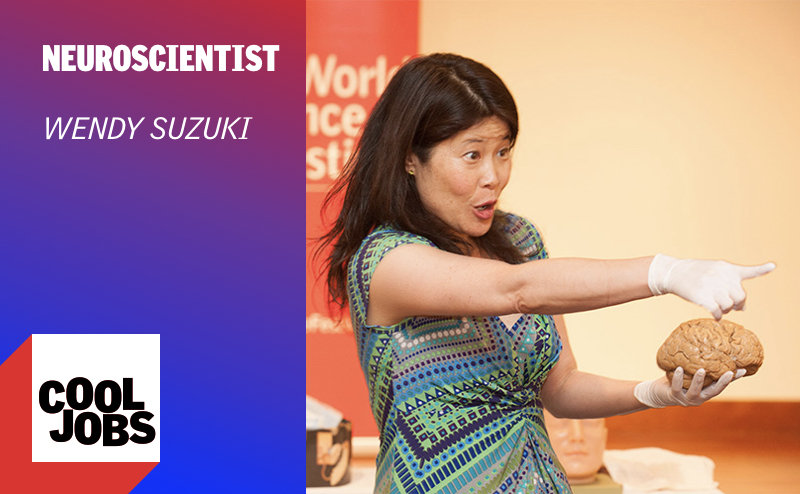
What do aerobic exercise and memory have in common? According to neuroscientist Wendy Suzuki, more than you think. Her passion for the human brain, memory, and exercise are inspiring people …

Are you drawn to Impressionism? Or more toward 3D computer art? Beauty is in the eye of the beholder. Or is it? Contrary to the old adage, there may be universal biological principles that drive art’s appeal, and its capacity to engage our brains and our interest.
This live Q&A in celebration of the Artemis II splashdown covered everything from space and physics to the biggest mysteries of the universe.