Search Icon




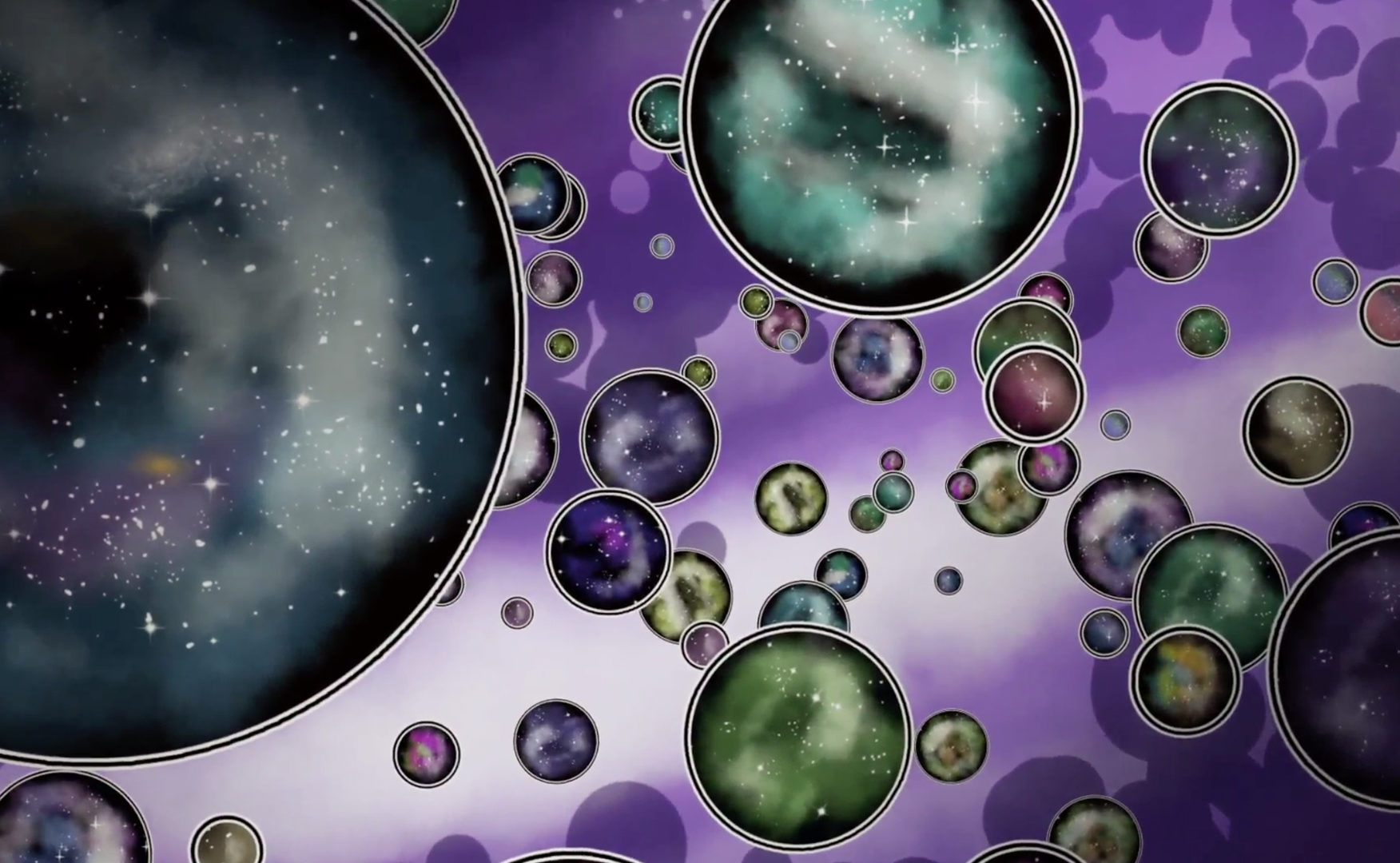
The inflationary theory of cosmology, an enduring theory about our universe and how it was formed, explains that just after the Big Bang, the universe went through a period of rapid expansion. This theory has been critical to understanding what’s going on in the cosmos today.
Nobel laureate Kip Thorne joins Brian Greene to trace a story that runs from the trenches of World War I to the rise of gravitational-wave astronomy—a journey that eventually carried …
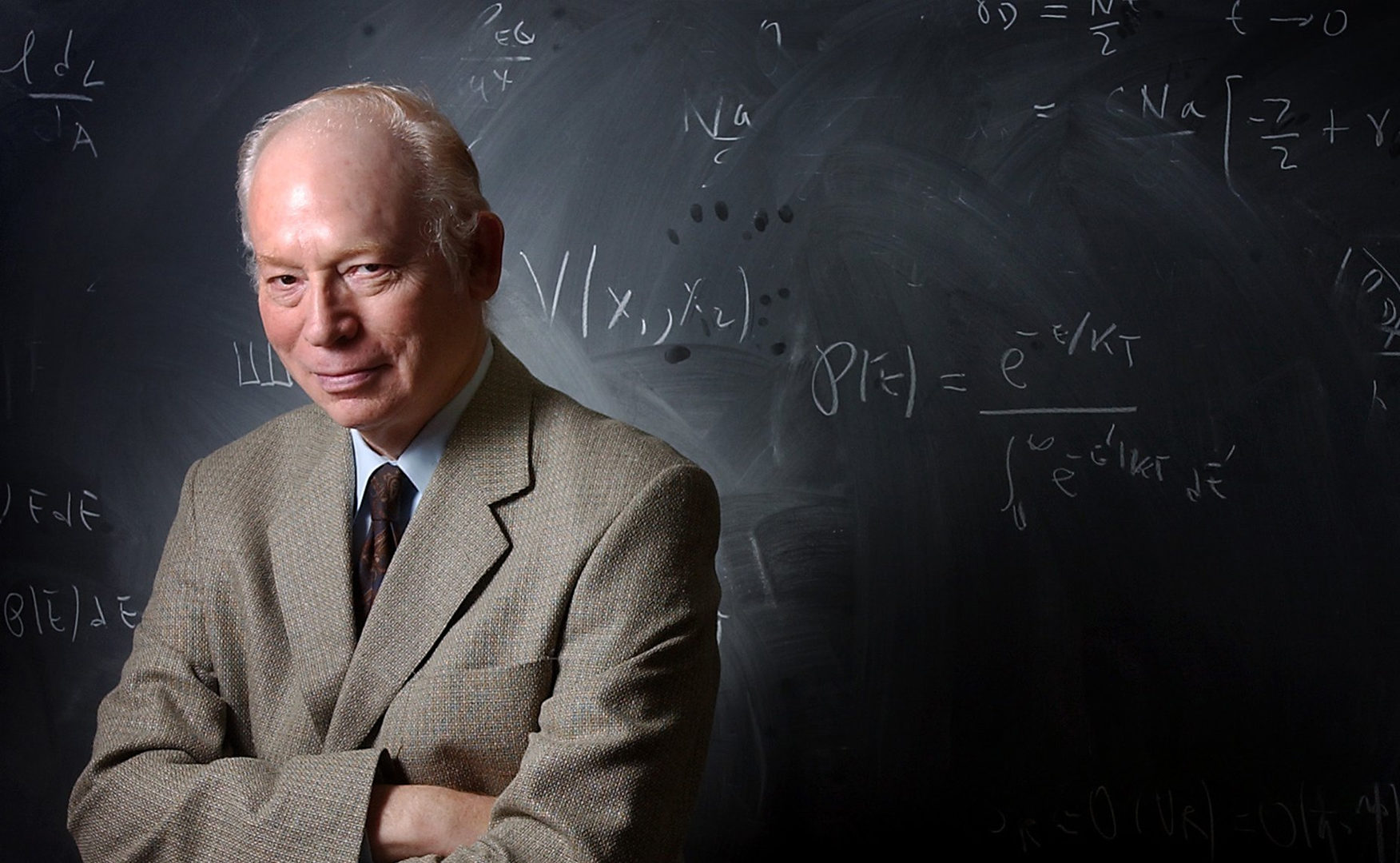
Nobel laureate Steven Weinberg was one of the world’s foremost theoretical physicists and a passionate advocate for science. Among his many influential contributions is the co-discovery of the electroweak theory …

Stories have existed in many forms—cave paintings, parables, poems, tall tales, myths—throughout history and across almost all human cultures. But is storytelling essential to survival?
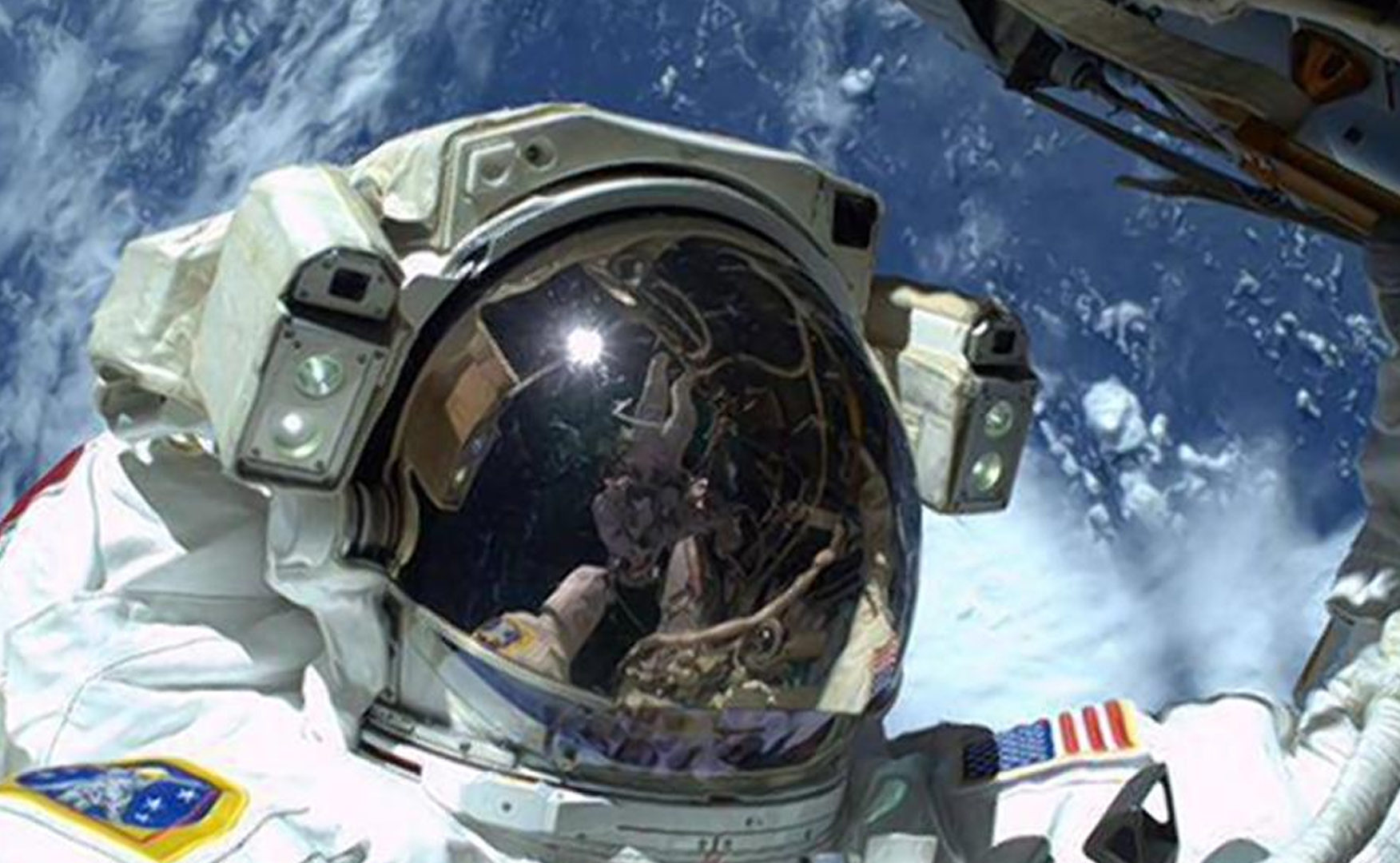
Astronauts who’ve lived on the International Space Station and “walked” in space tell all: what it’s like to ride on a space ship, and to eat, sleep, exercise, and even do science—in space.
Mathematical mysteries have challenged humanity’s most powerful thinkers and inspired passionate, lifelong obsessions in search of answers. From the strangeness of prime numbers and the nature of infinity, to the turbulent flow of fluids and the geometry of hyperspace, mathematics is our most potent tool for revealing immutable truths.