Search Icon




The experimental successes of quantum mechanics are astounding, yet the theory still has towering mysteries regarding the essence of quantum reality. Philosopher David Albert joins Brian Greene to explore the …
#YourDailyEquation with Brian Greene offers brief and breezy discussions of the most pivotal equations of the ages. Even if your math is a bit rusty, these accessible and exciting stories …
In this World Science U Live Session, Nobel laureate, former Director of the National Institutes of Health and former President of Memorial Sloan Kettering, Harold Varmus, M.D., and Brian Greene …
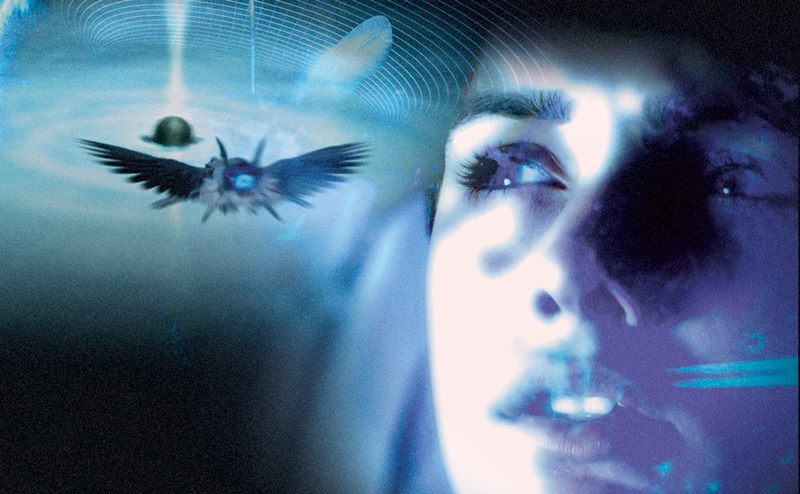
Icarus at the Edge of Time is a mesmerizing tale set in outer space about a boy who challenges the awesome might of a black hole. Based on the children’s book by physicist Brian Greene, this futuristic re-imagining of the classic myth takes audiences of all ages on a whirlwind voyage through space and time to the very edge of understanding.
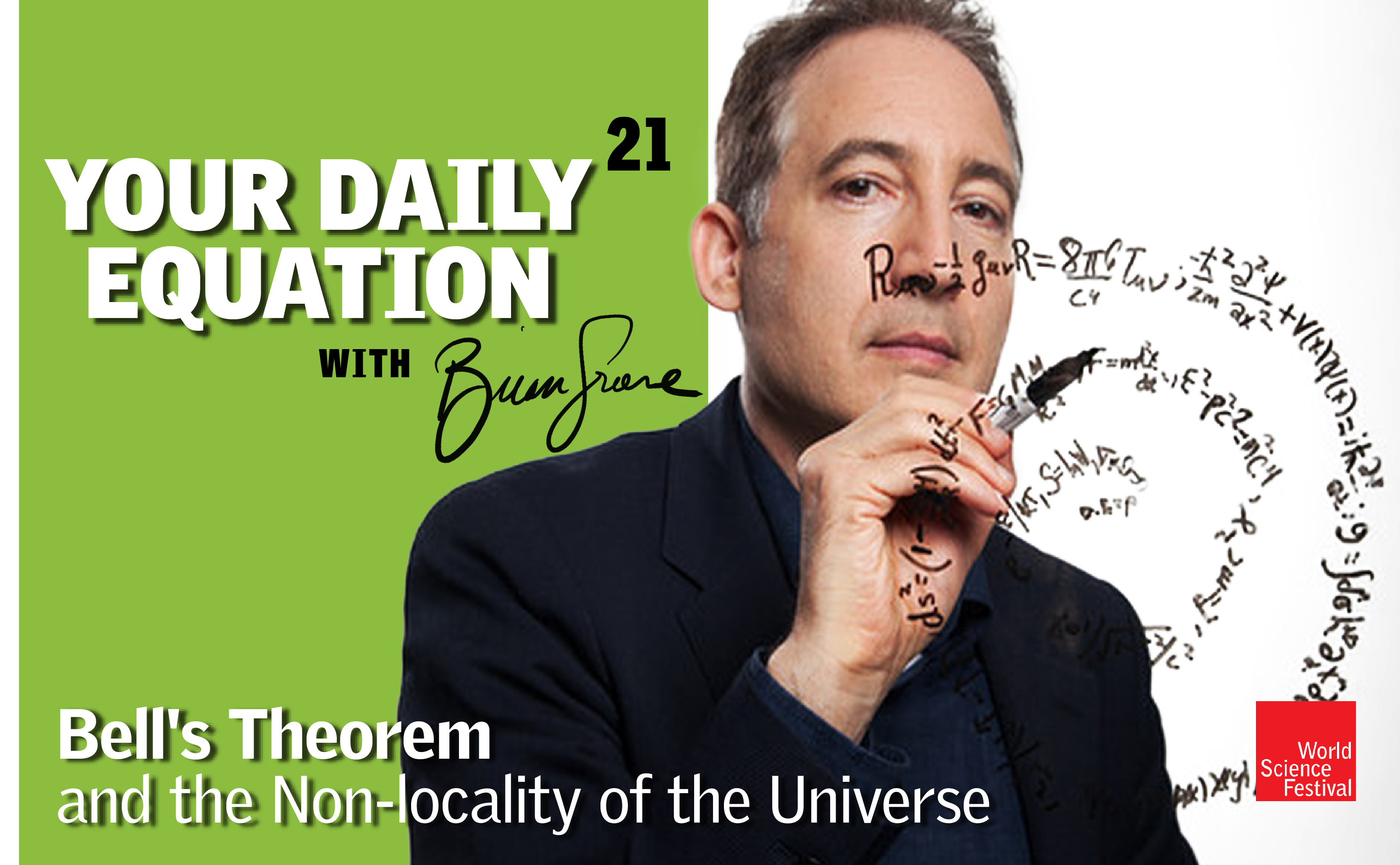
Join us for #YourDailyEquation with Brian Greene. Every Mon – Fri at 3pm EDT, Brian Greene will offer brief and breezy discussions of pivotal equations. Even if your math is a …
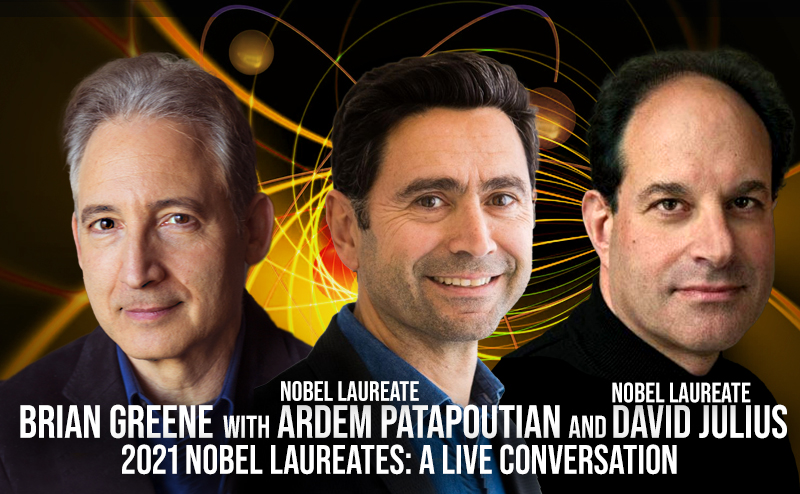
Just announced winners of the 2021 Nobel Prize, David Julius and Ardem Patapoutian, discovered how the sensations of temperature and touch are encoded at a molecular level. Blending physics and …