Search Icon





We once shared the planet with Neanderthals and other human species. Some of our relatives may have had tools, language and culture. Why did we thrive while they perished?

#YourDailyEquation with Brian Greene offers brief and breezy discussions of the most pivotal equations of the ages. Even if your math is a bit rusty, these accessible and exciting stories …

Breakthrough Prize Winner Lyman Page joins Brian Greene to discuss his unusual path into physics, his extraordinary work measuring the cosmic background radiation and his ongoing quest to shed light …

While humanity’s past is firmly grounded on our home planet, the humans of the future may live on the moon, Mars, or interstellar ships bound for distant worlds. To prepare …
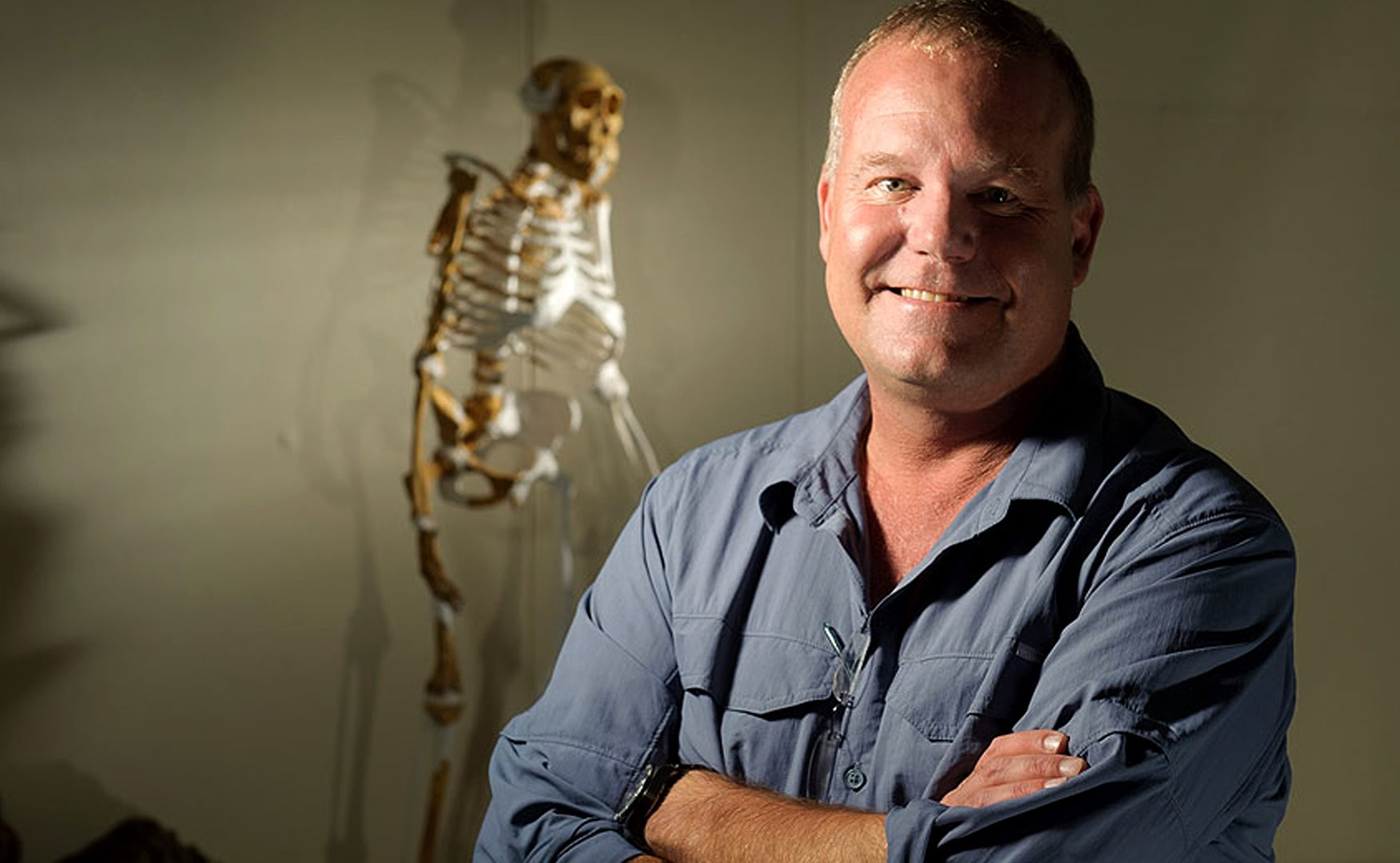
Professor Lee Berger is an award-winning researcher, explorer, author, palaeoanthropologist, and speaker. His explorations into human origins on the African continent, Asia, and Micronesia for the past two and a …

Using the Shrinky Dinks toy as inspiration, biomedical engineer Michelle Khine invented a way to shrink lab testing materials and equipment, resulting in increased testing speed and reliability while lowering …