Search Icon




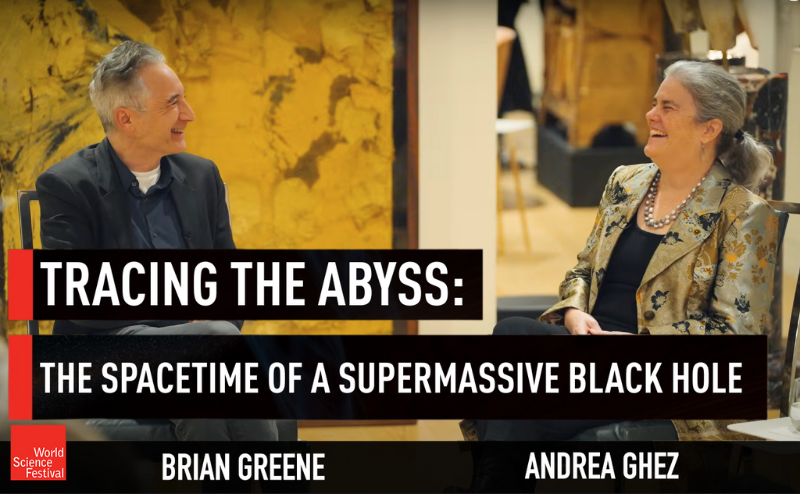
Nobel Laureate Andrea Ghez joins Brian Greene to explore her decade’s long pursuit of the supermassive black hole at the center of the Milky Way Galaxy. This program is part …

Immanuel Kant, who coined the term genius in the 1700s, defined it as the rare capacity to independently understand concepts that would normally have to be taught by another person. Since then, the spectrum of abilities that we call genius has widened, but pivotal questions remain: What exactly is genius?
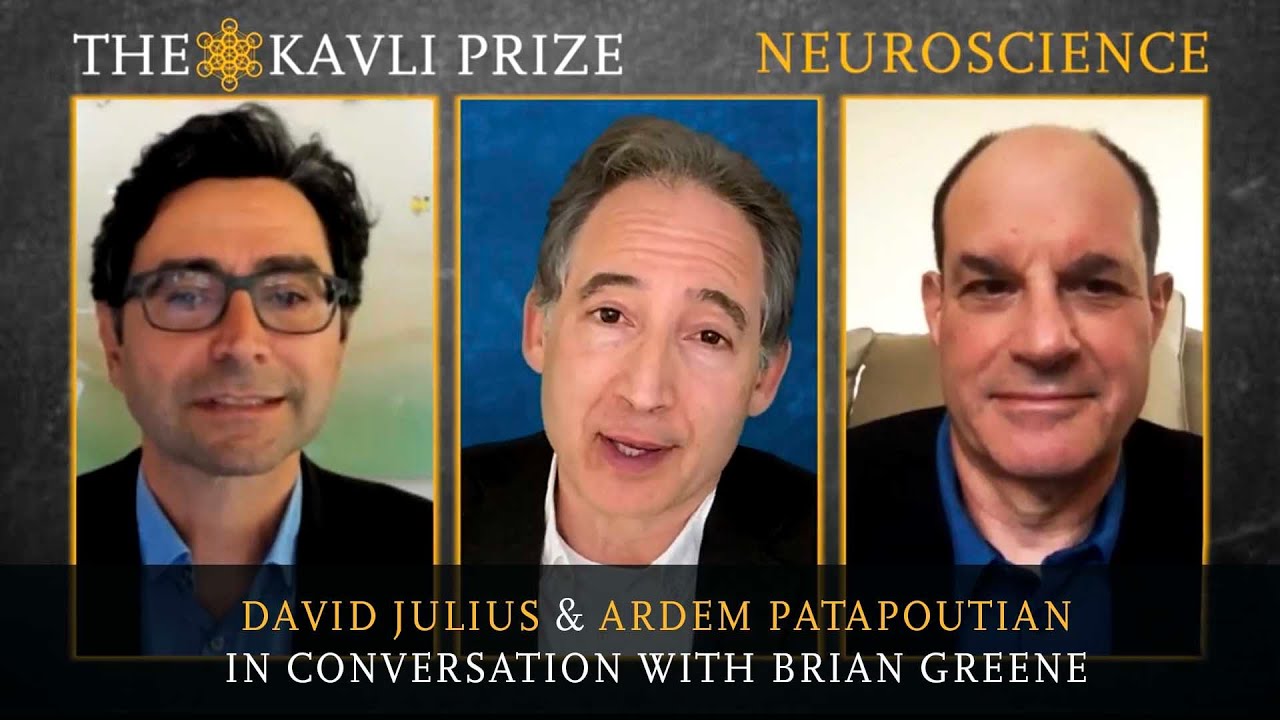
The 2020 Kavli Prize In Neuroscience is awarded to David Julius and Ardem Patapoutian for their transformative discovery of receptors for temperature and pressure. 2020 marks the twelfth anniversary of …

What does it actually take to understand the universe at its deepest level, and what happens when the rules that govern it seem to contradict each other? Theoretical physicist Leonard …
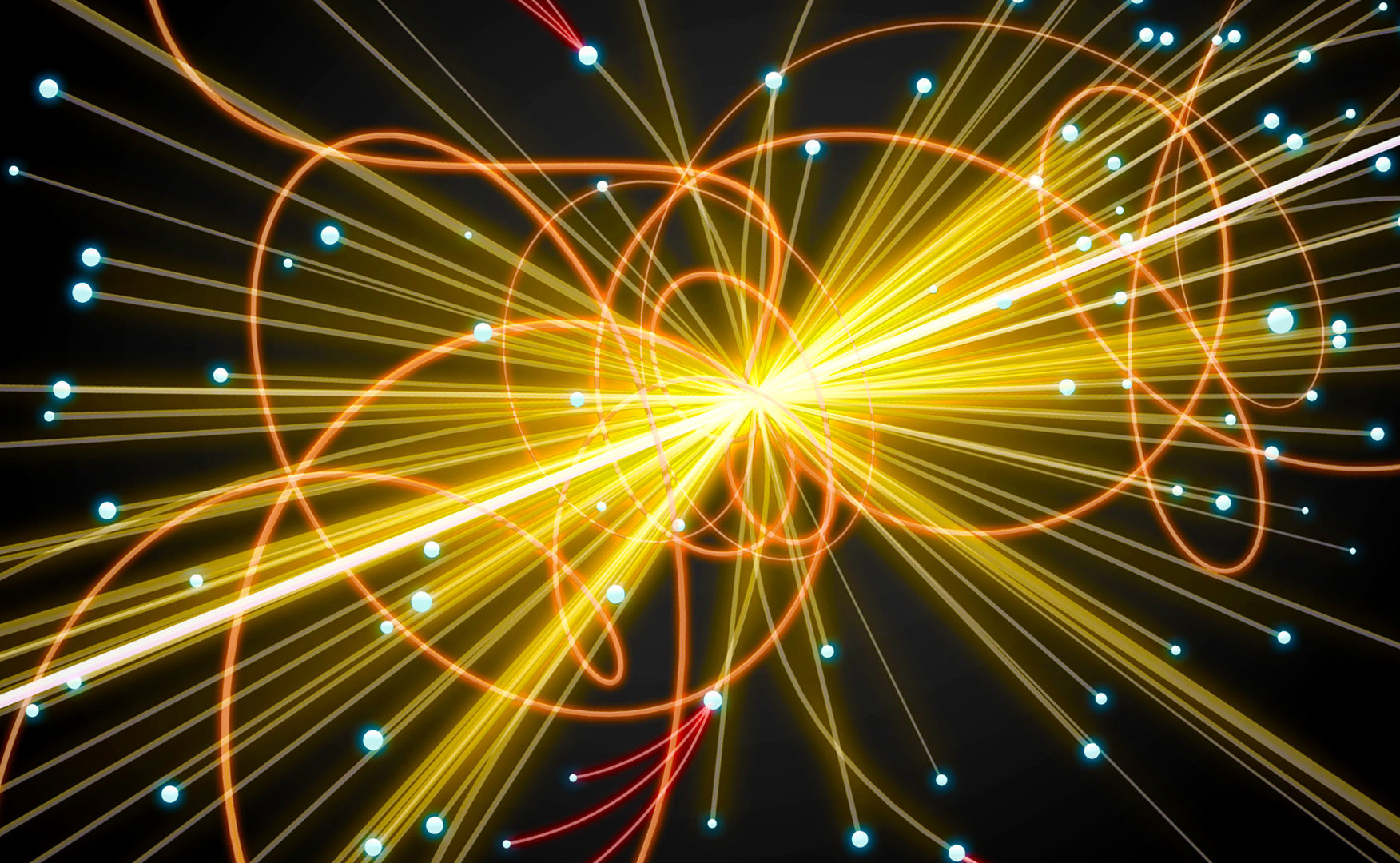
Come venture deep inside the world’s biggest physics machine, the Large Hadron Collider. This extraordinary feat of human engineering took 16 years and $10 billion to build, and just weeks ago began colliding particles at energies unseen since a fraction of a second after the big bang.
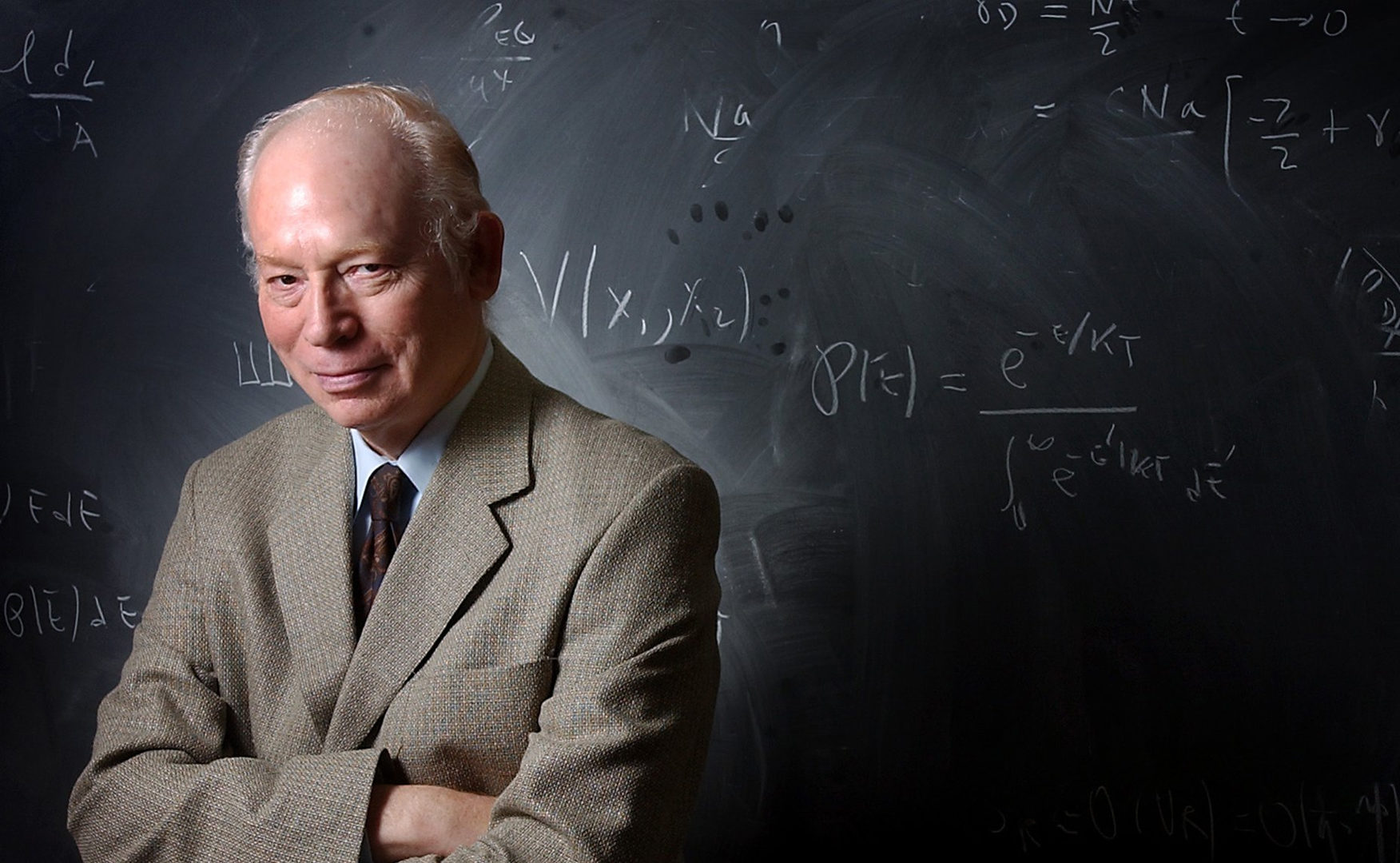
Nobel Prize-winning physicist Steven Weinberg spoke about science and history, drawing from his book “To Explain the World: The Discovery of Modern Science.”