Search Icon




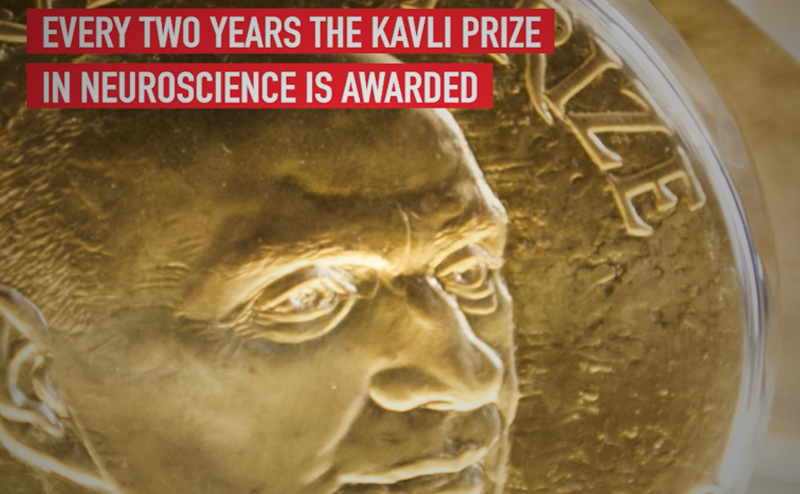
This video is part of our Brilliant Breakthroughs series: our new 20-episode mini-series exploring the “Eureka!” moments and proud accomplishments of the greatest scientific minds of our time. Join us …
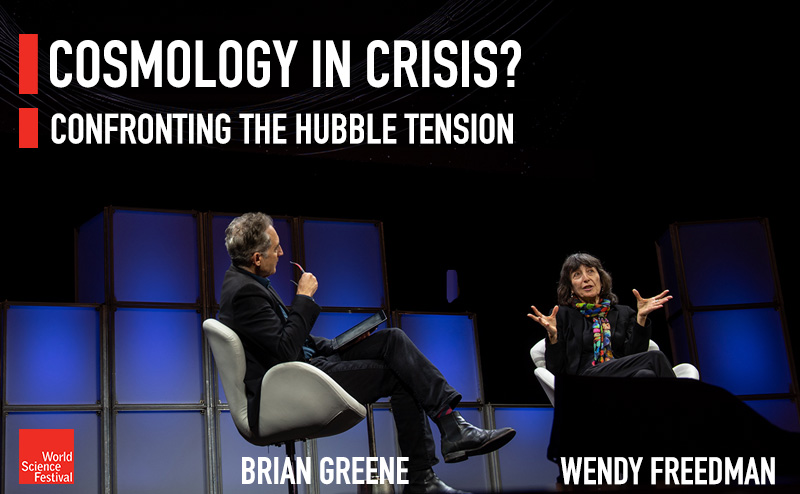
How fast is the universe expanding? Two prominent approaches are finding different answers, propelling cosmology toward a crisis. Wendy Freedman, a renowned astronomer who has spent decades seeking the expansion …
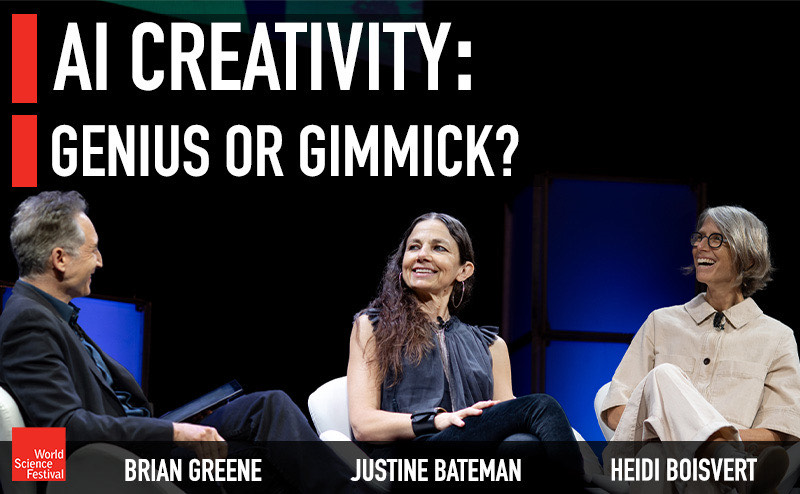
Are current AIs merely regurgitation algorithms producing derivative output or can they yield novelty? Actor, filmmaker, and outspoken AI critic Justin Bateman and creative technologist Heidi Boisvert join Brian Greene …

The fear of death quietly shapes almost everything we do. At least that was the thesis Ernest Becker put forward in his Pulitzer Prize-winning book, The Denial of Death. But …
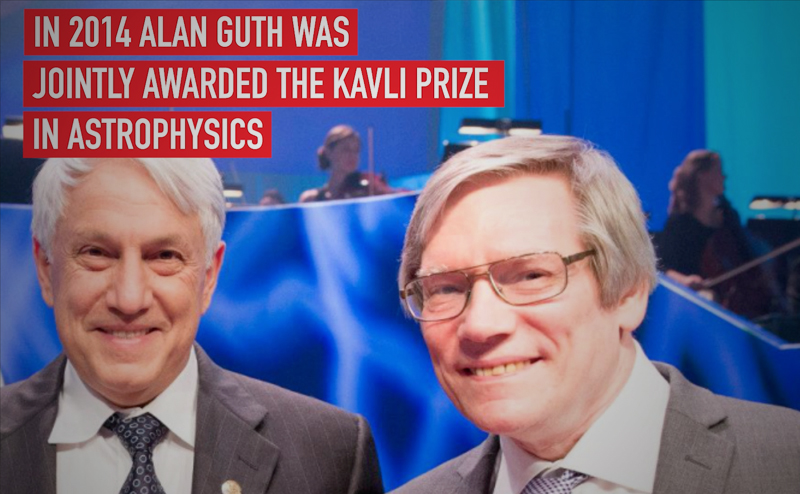
This video is part of our Brilliant Breakthroughs series: our new 20-episode mini-series exploring the “Eureka!” moments and proud accomplishments of the greatest scientific minds of our time. Join us …
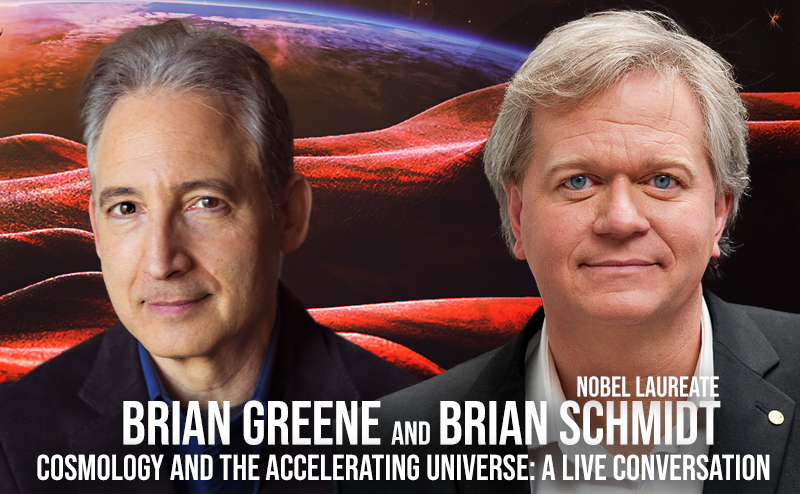
Brian Greene and Nobel Laureate Brian Schmidt engage in a wide-ranging conversation covering cosmology, the accelerating universe, and the role of science in shaping our future. This program is part …