Search Icon




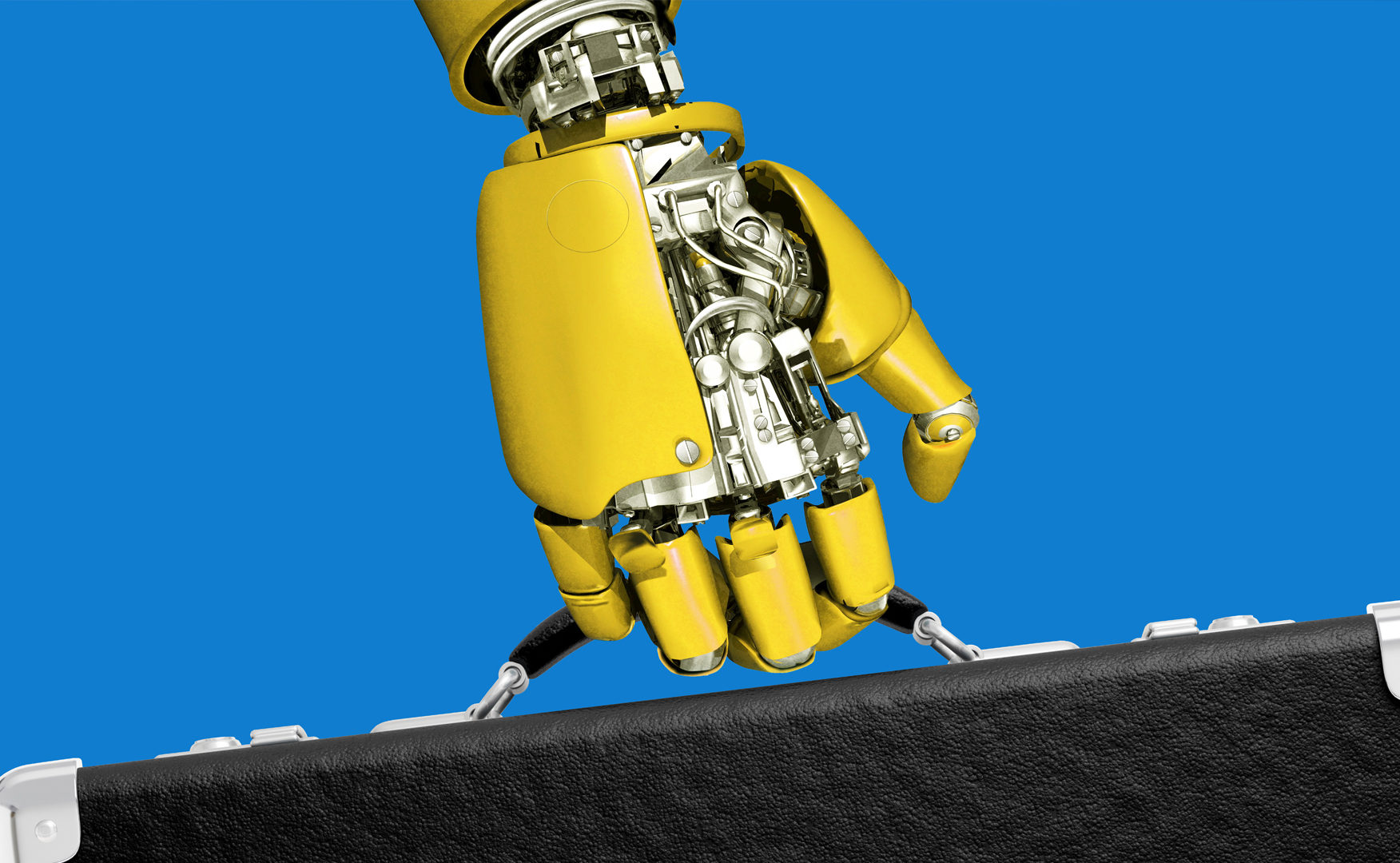
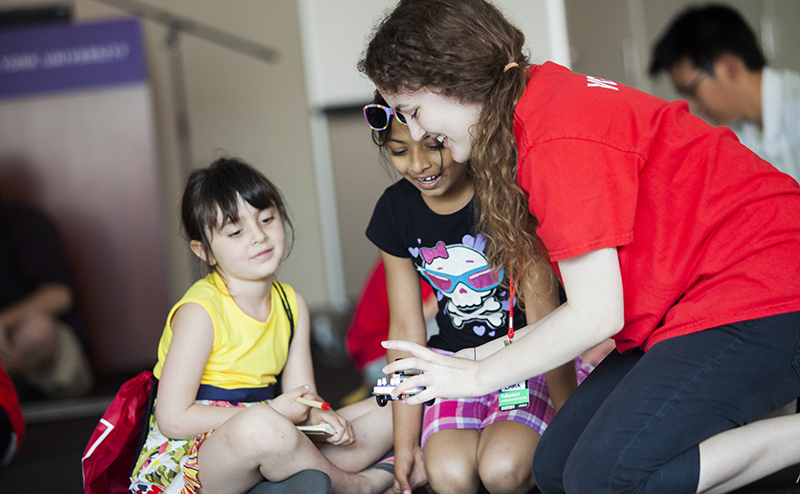
A NASA scientist prints 3D homes on Mars. An anthropologist solves mummy mysteries. An engineer tests new toys every day. What do these people have in common? A science job! Meet them all (and more) during this interactive event that gives everyone the chance to try each cool job for themselves.
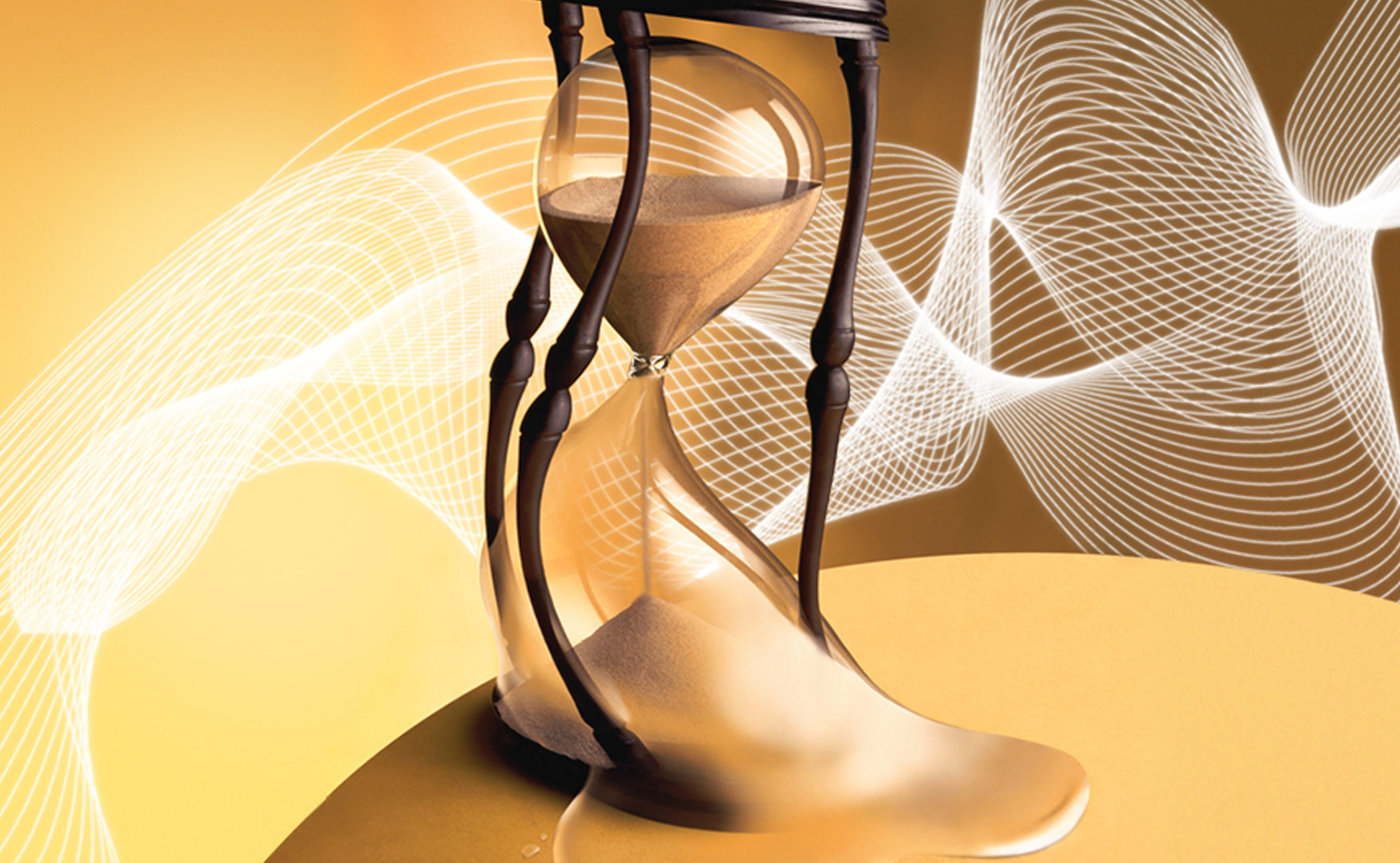
The nature of time is an age-old conundrum for physicists, philosophers, biologists and theologians. The Newtonian picture of time—a kind of cosmic clock that ticks off time in a manner that applies identically to everyone and everything—tightly aligns with our experience. But with special and general relativity, Einstein showed the fallacy inherent in experience.

A second doesn’t always feel like a second—time can seem to slow down if you’re riding a death-defying roller coaster, or speed up while you’re having a night out on the town. But just what’s going on inside our heads to skew our perception of time?
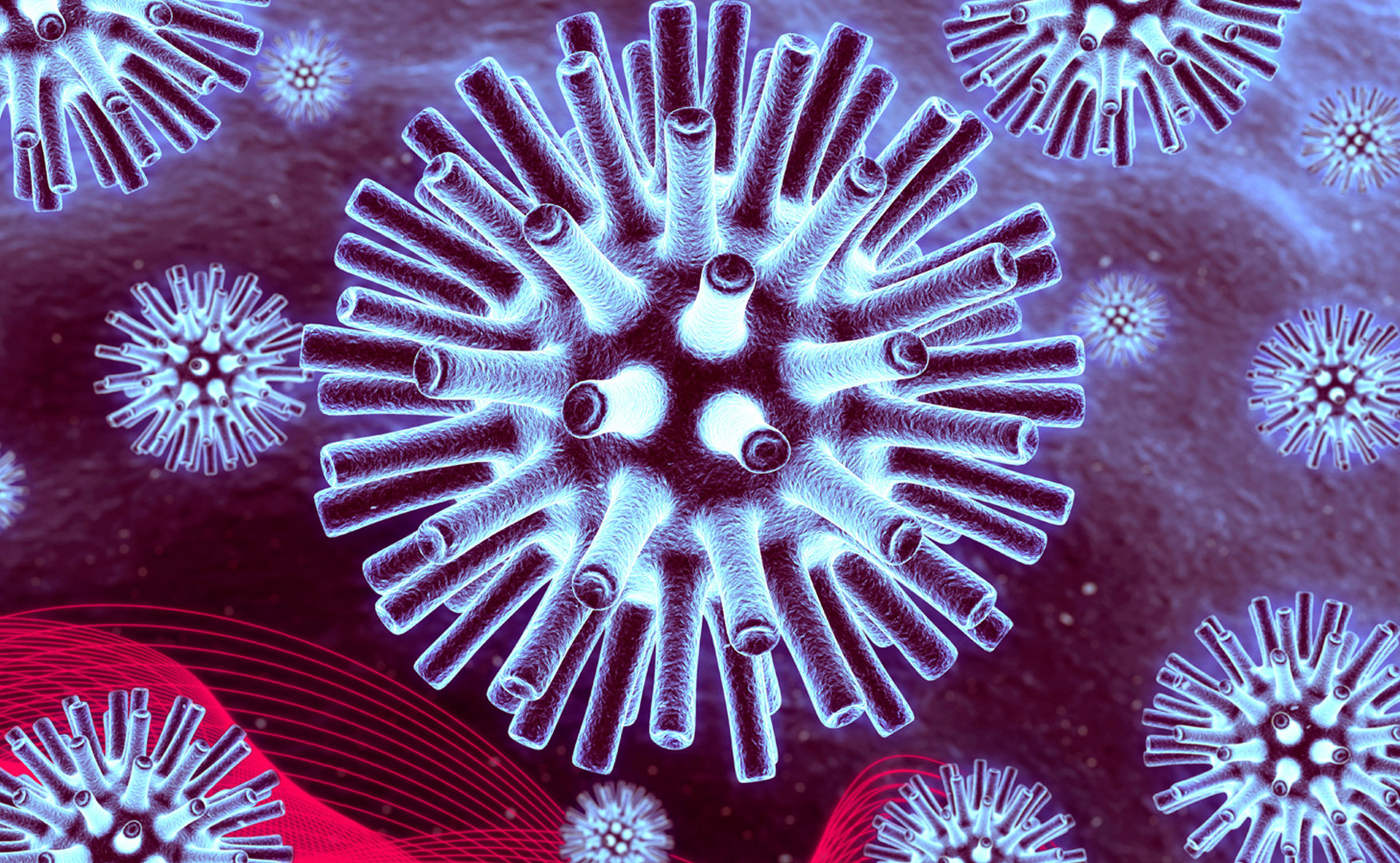
Pills the size of molecules to seek and destroy tumors. Miniscule robots performing surgery inside patients with a precision never before achieved. Nanobots, a billionth of a meter across, fixing mutations in DNA, or repairing neurons in your brain. Such are the possibilities as medicine enters the nano-era.
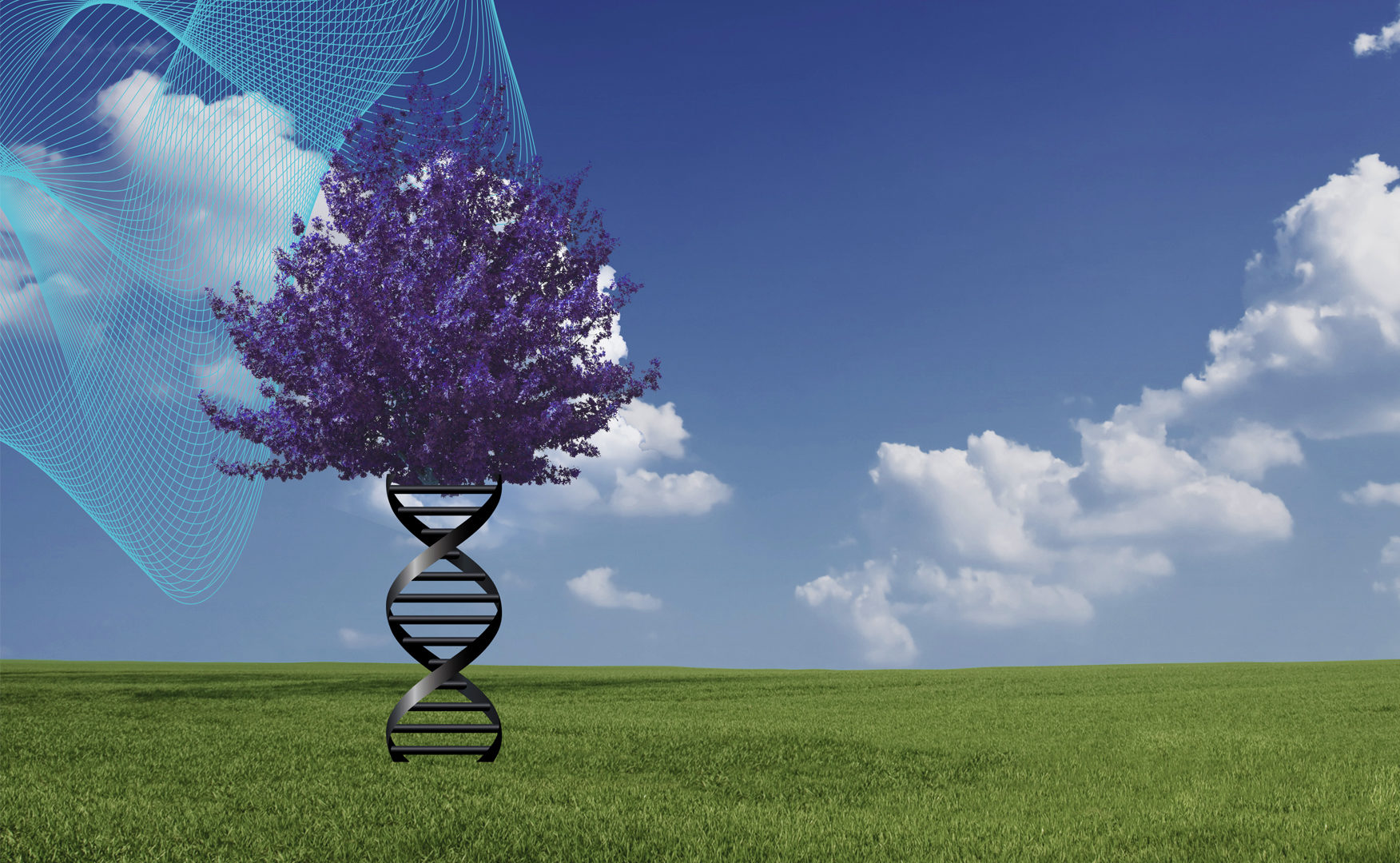
Our genes strictly dictate our personalities, appearance and diseases. Or do they? Research has revealed that genes can turn on and off; they can be expressed for years and then silenced. Sometimes, they are never activated. And these genetic instructions—how and when DNA is read—can be determined by the experiences of one’s ancestors, even those several generations back.
This video is part of our Brilliant Breakthroughs series: our new 20-episode mini-series exploring the “Eureka!” moments and proud accomplishments of the greatest scientific minds of our time. Join us …