Search Icon



We look around us—constantly. But how often do we listen around us? Sound is critically important to our bodies and brains, and to the wider natural world. In the womb, we hear before we see.
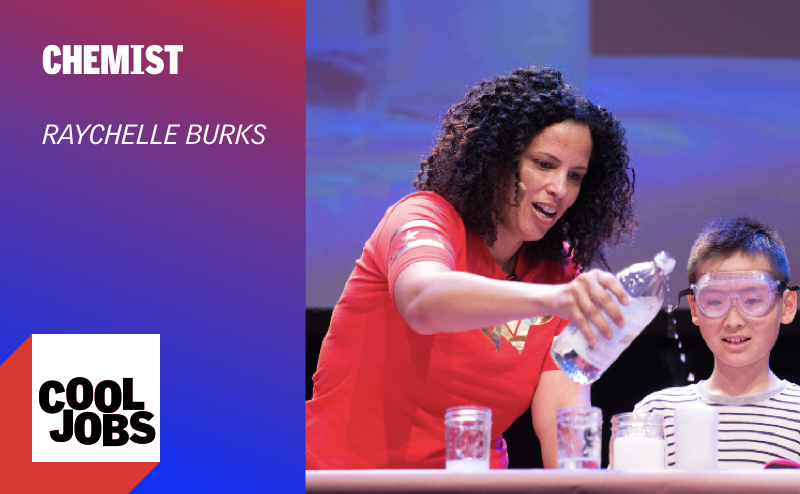
Chemist Raychelle Burks is on the front lines of forensic science, developing ways to detect drugs and explosives. Episode filmed live at the 2016 World Science Festival in New York …
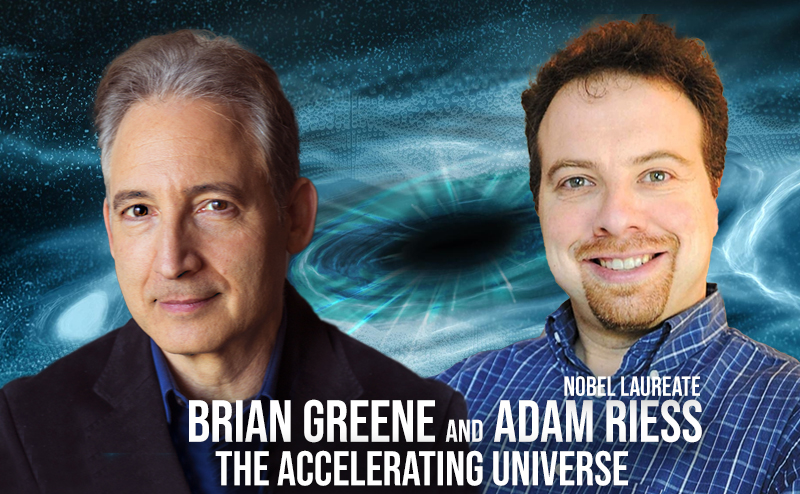
Nobel Laureate and physicist Adam Riess and Brian Greene discuss the paradigm-shattering discovery that the expansion of the universe is accelerating, the role of dark energy, and more. This program …
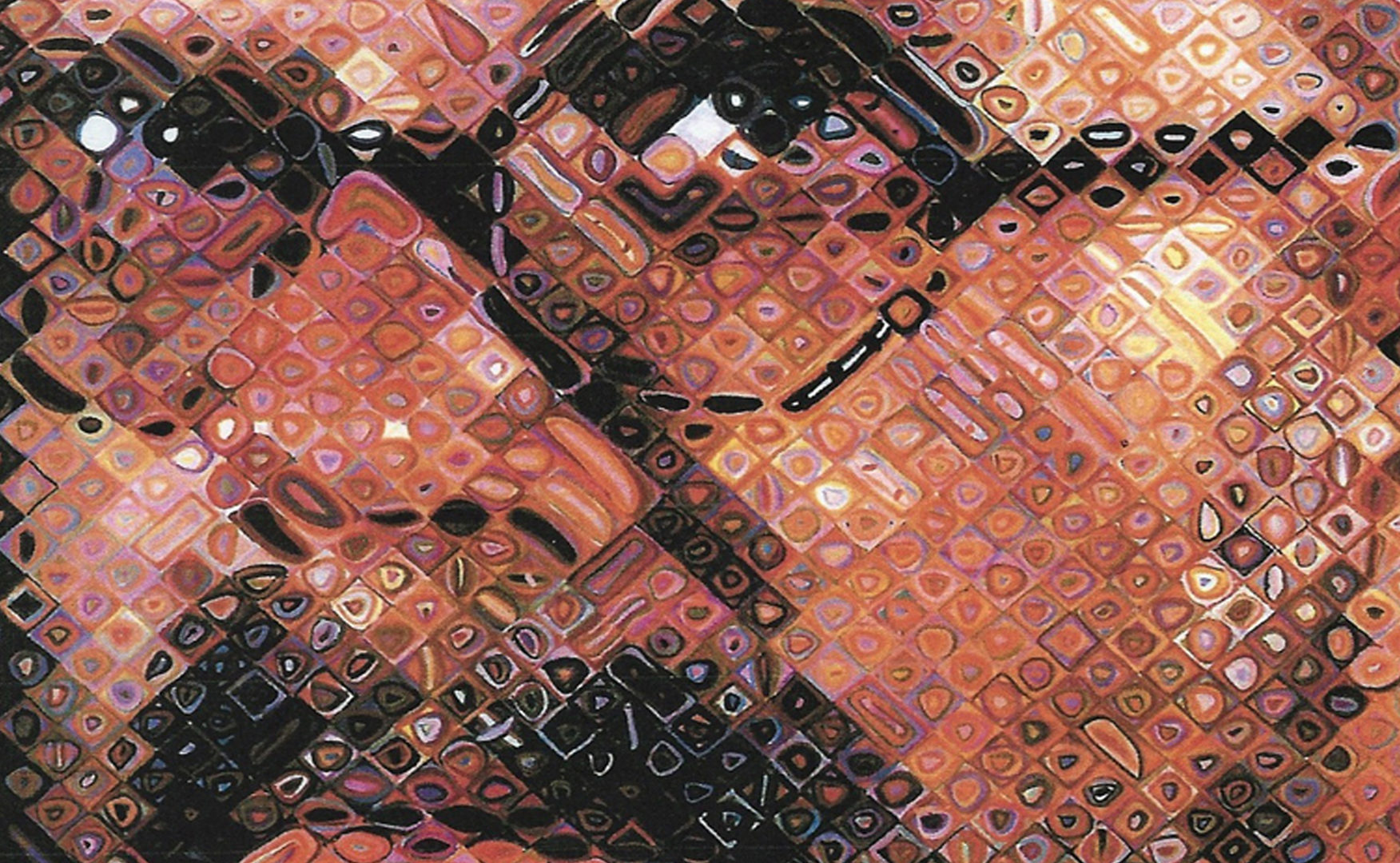
What’s it like to face a faceless world? Acclaimed neurologist Oliver Sacks once apologized for almost bumping into a large bearded man, only to realize he was speaking to a mirror.
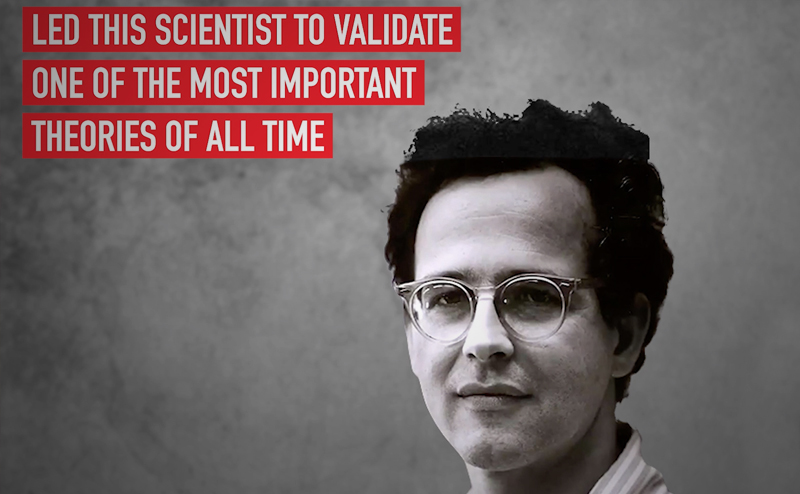
This video is part of our Brilliant Breakthroughs series: our new 20-episode mini-series exploring the “Eureka!” moments and proud accomplishments of the greatest scientific minds of our time. Join us …
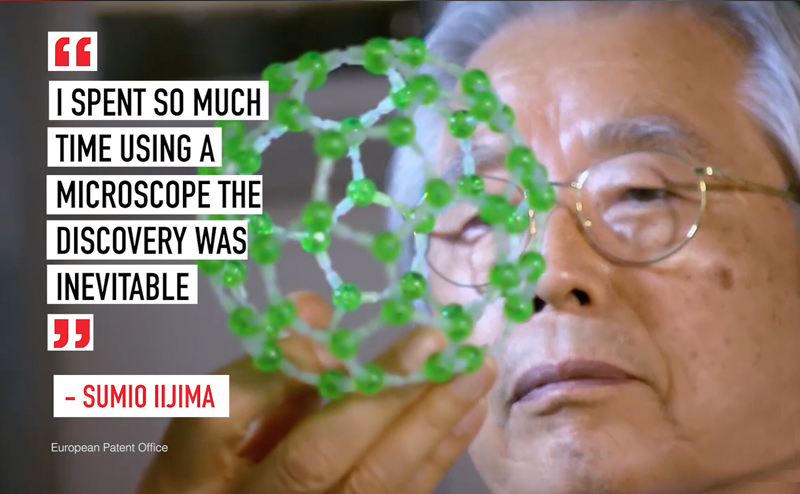
What happens when a simple mistake becomes a huge scientific discovery? You end up with a substance 100x stronger than a man of steel!