Search Icon




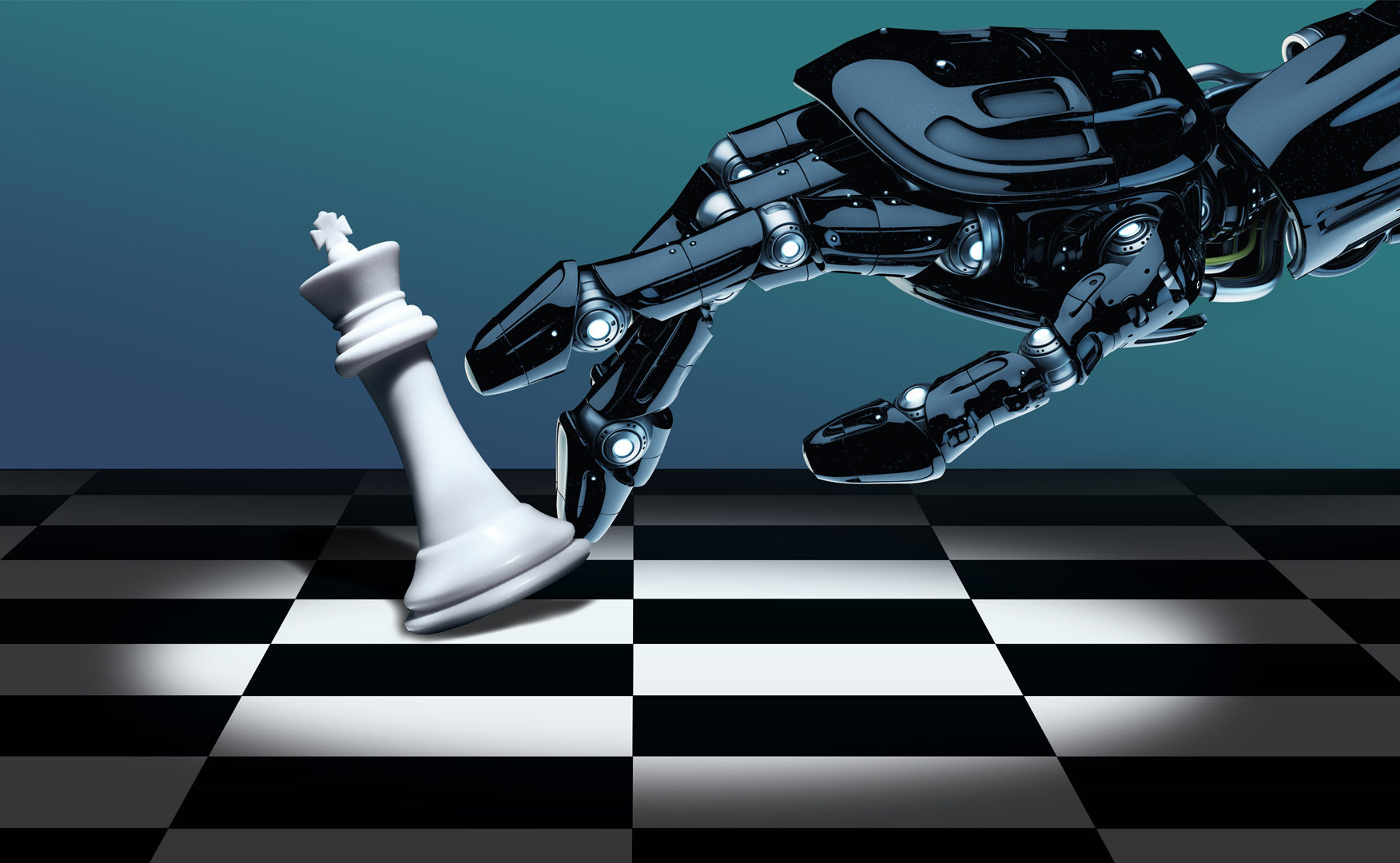
A self-driving car has a split second to decide whether to turn into oncoming traffic or hit a child who has lost control of her bicycle. An autonomous drone needs to decide whether to risk the lives of busload of civilians or lose a long-sought terrorist. How does a machine make an ethical decision?
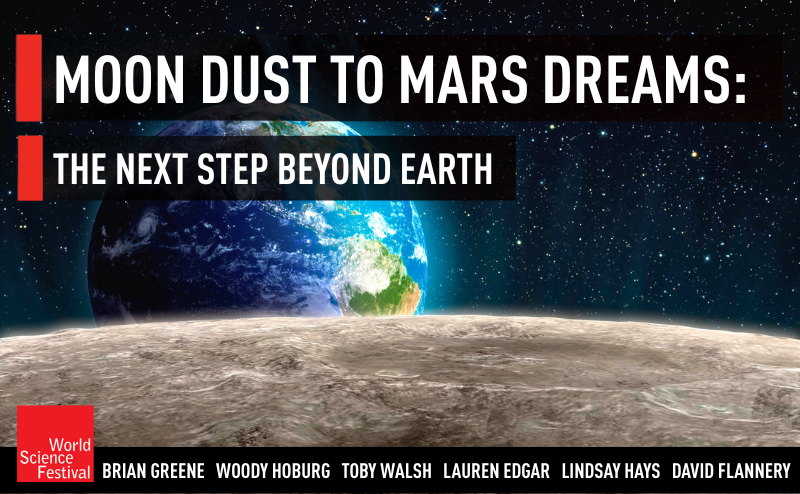
Astronaut Woody Hoburg and leading planetary scientists join Brian Greene to explore ambitious new missions set to propel humanity deeper into space and sharpen our quest to discover life beyond …
God, they say, is in the details. But could God also be in our frontal lobes? Every culture from the dawn of humankind has imagined planes of existence beyond the …
What does fear smell like? Love? Can we use scent to control behavior? Do humans really sense pheromones? What if you could diagnose diseases just by smelling them? And exactly how does our brain convert floating organic molecules into chemical signals that our brain processes as odor?

Today, cryptography has moved beyond the realm of dilettantes and soldiers to become a sophisticated scientific art—combining mathematics, physics, computer science, and electrical engineering. It not only protects messages, but it also safeguards our privacy. From email to banking transactions, modern cryptography is used everywhere.

Should we limit the use and knowledge of genetics in the case of conception? What about using genetic engineering to make humans healthier—or even enhancing humanity by manipulating DNA?