Search Icon





Join us for #YourDailyEquation with Brian Greene. Every Mon – Fri at 3pm EDT, Brian Greene will offer brief and breezy discussions of pivotal equations. Even if your math is a …
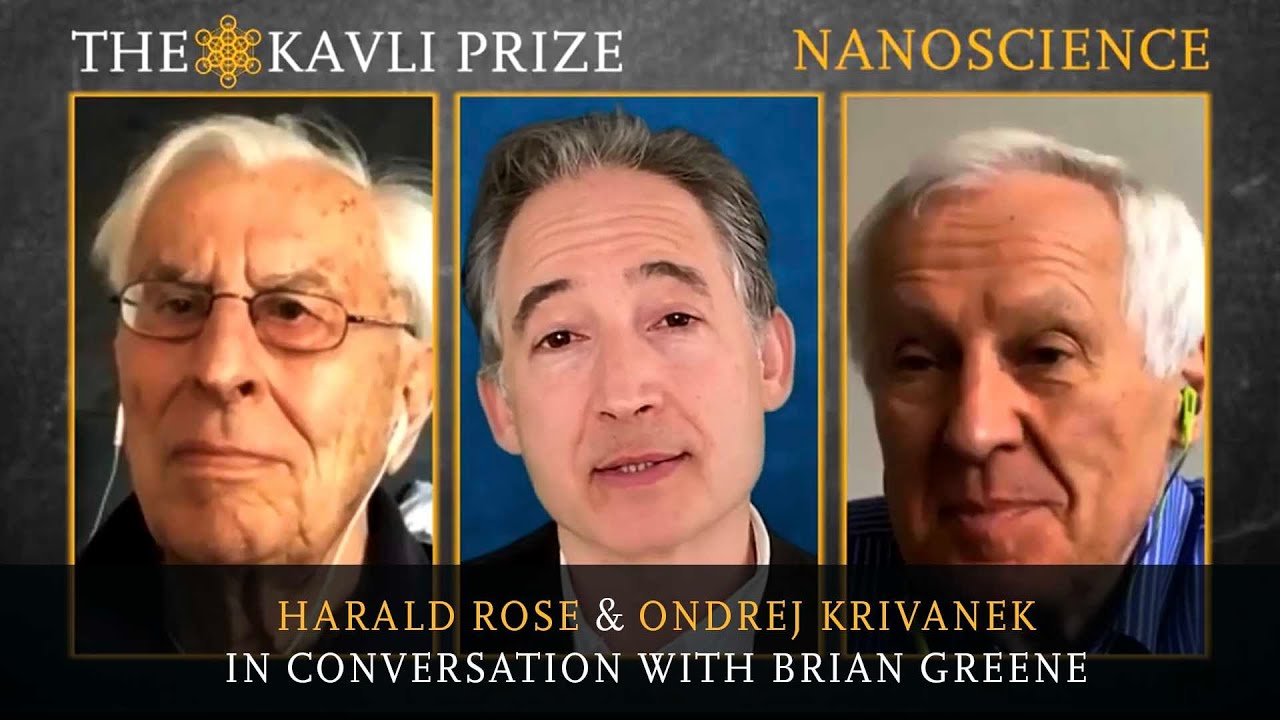
The 2020 Kavli Prize In Nanoscience is awarded to Harald Rose, Ondrej Krivanek, Maximilian Haider, and Knut Urban for their work in sub-ångström resolution imaging and chemical analysis using electron …
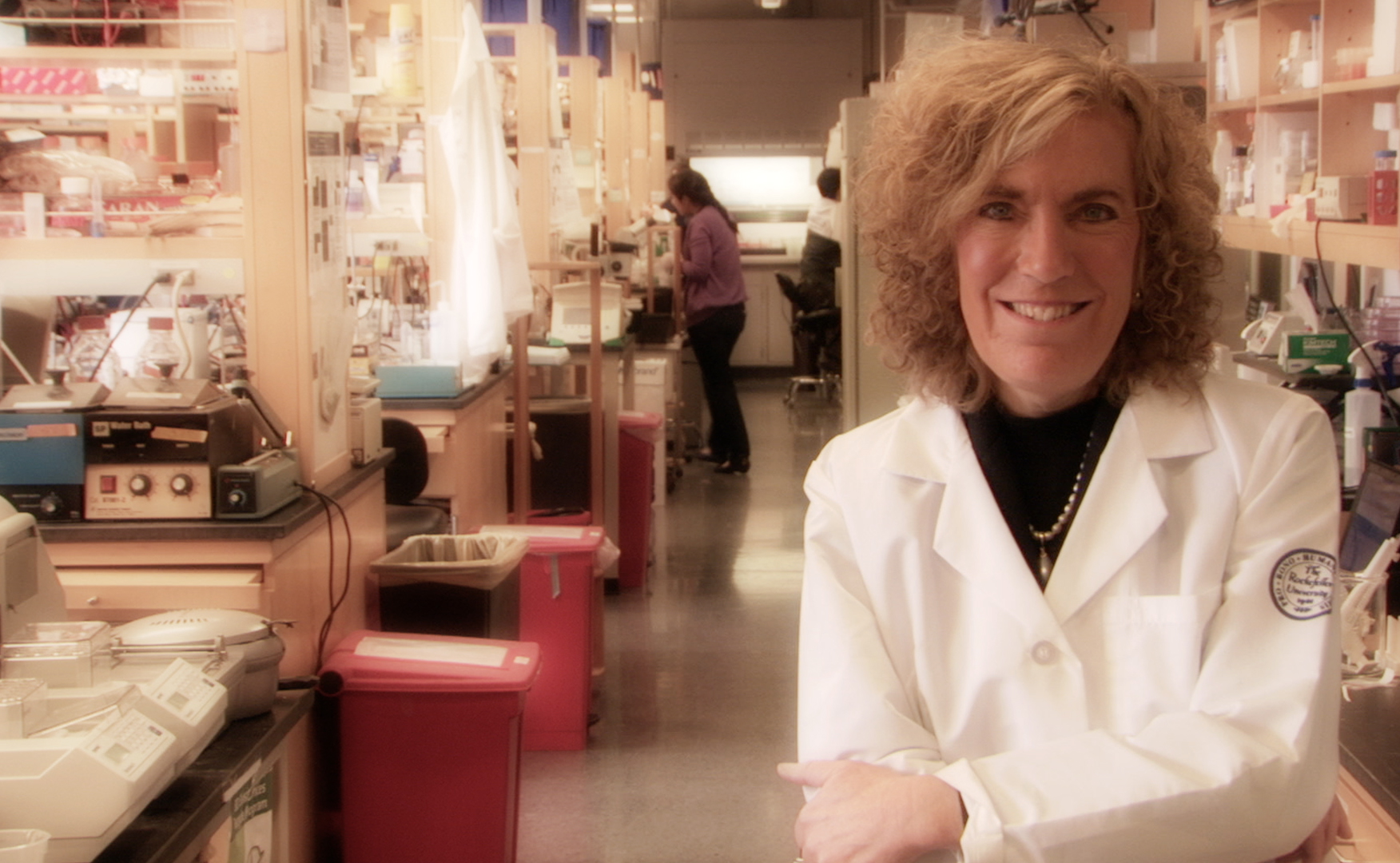
Elaine Fuchs pioneered the field of reverse genetics—studying proteins and learning what they do, and how they do it, in order to identify the genetic disease they cause when they …
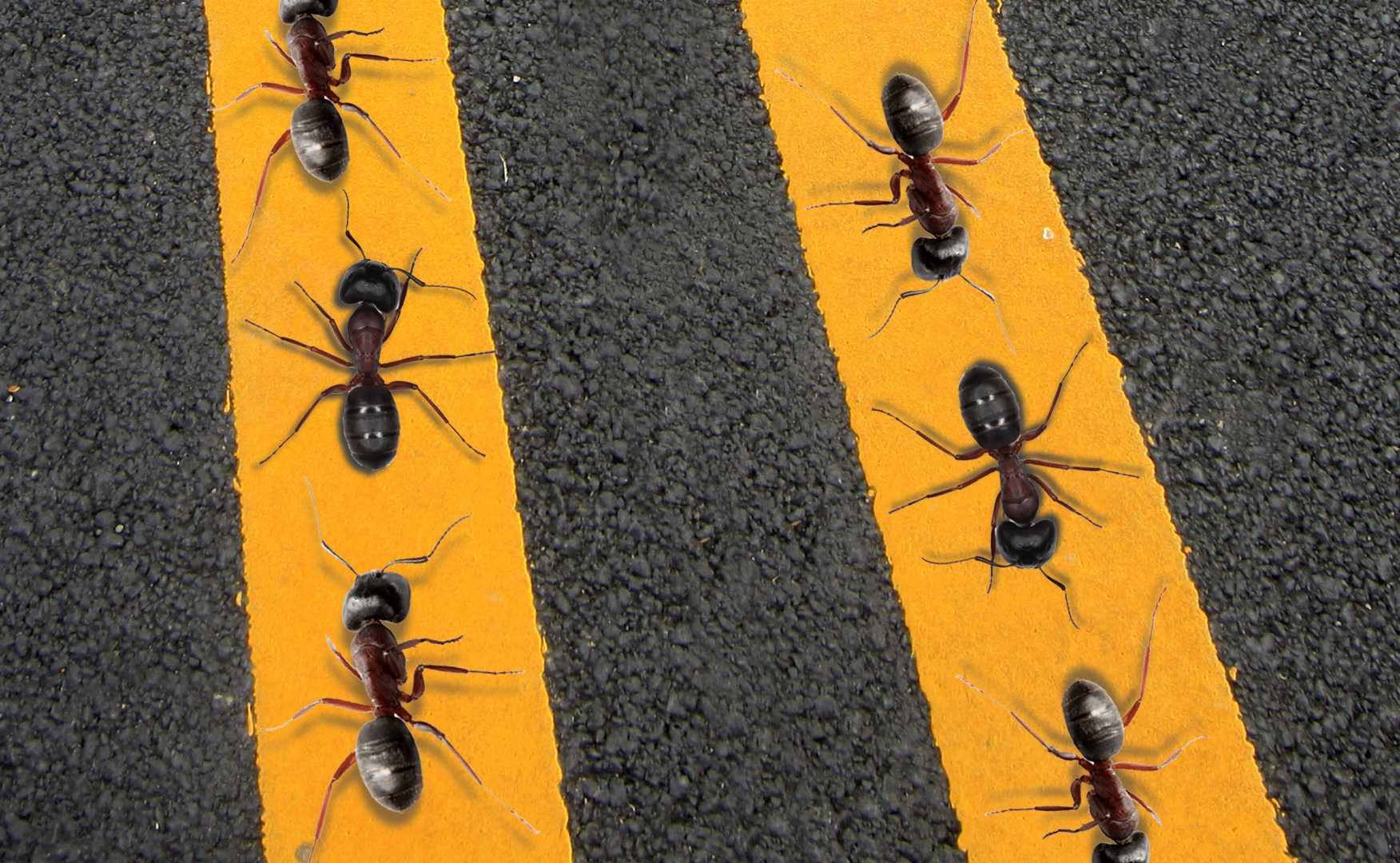
Can marching ants, schooling fish, and herding wildebeests teach us something about the morning commute? Robert Krulwich guides this unique melding of mathematics, physics, and behavioral science as Mitchell Joachim, Anna Nagurney and Iain Couzin examine the creative and sometimes counter intuitive solutions to one of the modern world’s most annoying problems.
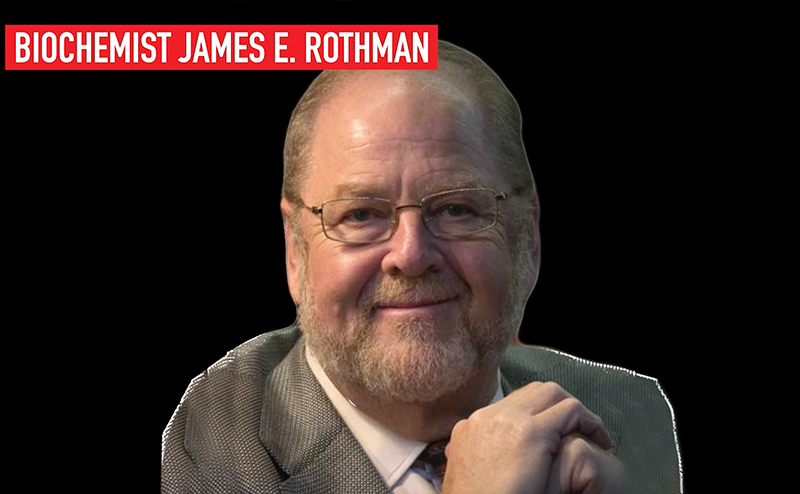
Have you ever wondered how your stomach knows when you’re full or how your eyes know when to release tears? 😭Your body is a message monster continually #communicating in rapid-fire …
We live in the era Big Data. Its algorithms pervade our lives–shaping our purchases, our finances, our health care, our education, our communities, our public policy. Armed with phones, computers, …