Search Icon



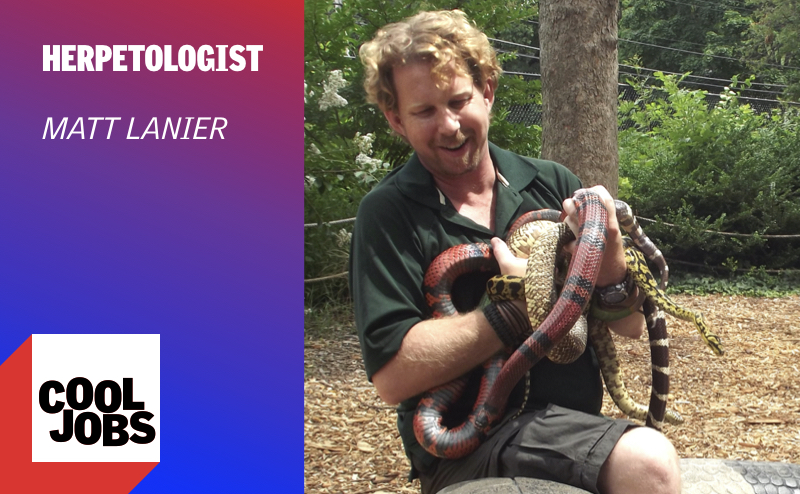
Rattlesnakes, cobras, alligators, and a huge collection of venomous reptiles come with lots of risks in the daily life of herpetologist and reptile keeper Matt Lanier. Meet some of these …
Einstein’s “spooky action” describes quantum particles entangled across space, but can such spookiness entangle particles across time? A conversation spanning the origins of quantum mechanics through its leading-edge implications for …
#YourDailyEquation with Brian Greene offers brief and breezy discussions of the most pivotal equations of the ages. Even if your math is a bit rusty, these accessible and exciting stories …
This video is part of our Brilliant Breakthroughs series: our new 20-episode mini-series exploring the “Eureka!” moments and proud accomplishments of the greatest scientific minds of our time. Join us …

This video is part of our Brilliant Breakthroughs series: our new 20-episode mini-series exploring the “Eureka!” moments and proud accomplishments of the greatest scientific minds of our time. Join us …
Acknowledging the scientists who blazed intellectual trails before him, Isaac Newton wrote, “If I have seen a little further it was by standing on the shoulders of giants.” In this special annual series, we invite our audience to stand on the shoulders of a modern-day giant. This year, we are honored to present an address by a titan of physics, Barry Barish.