Search Icon



Brian Greene engages physicist and former LIGO spokesperson Gabriela González in a conversation about LIGO and Virgo’s new announcement of the most massive gravitational wave source to date and discusses …
We look around us—constantly. But how often do we listen around us? Sound is critically important to our bodies and brains, and to the wider natural world. In the womb, we hear before we see.
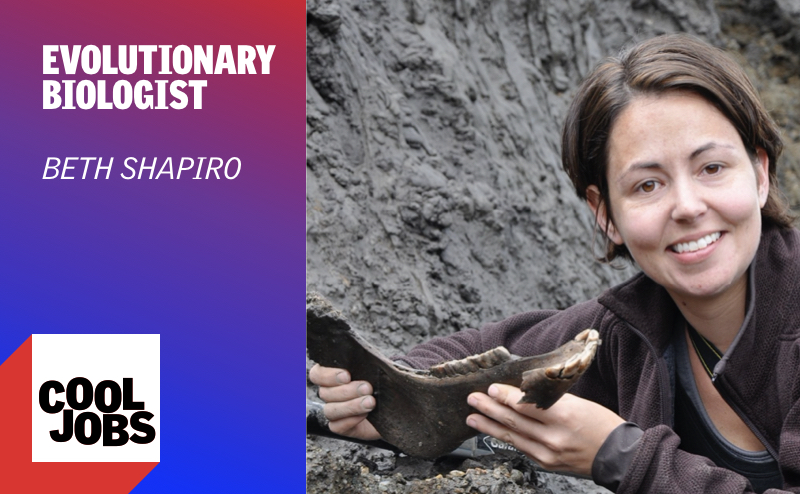
Evolutionary paleogeneticist Beth Shapiro travels to the cold reaches of the world to find DNA samples of long extinct animals, such as mastodons and saber-toothed tigers. She hopes to learn …

Have you ever spent hours looking for something you just know is there, only to be doubted? In 1987, most astronomers thought there was nothing in the outer solar system, …
The neutrino is among the cagiest of particles, a subatomic wisp so ephemeral it could pass through light years of lead with more ease than a hot knife through butter.
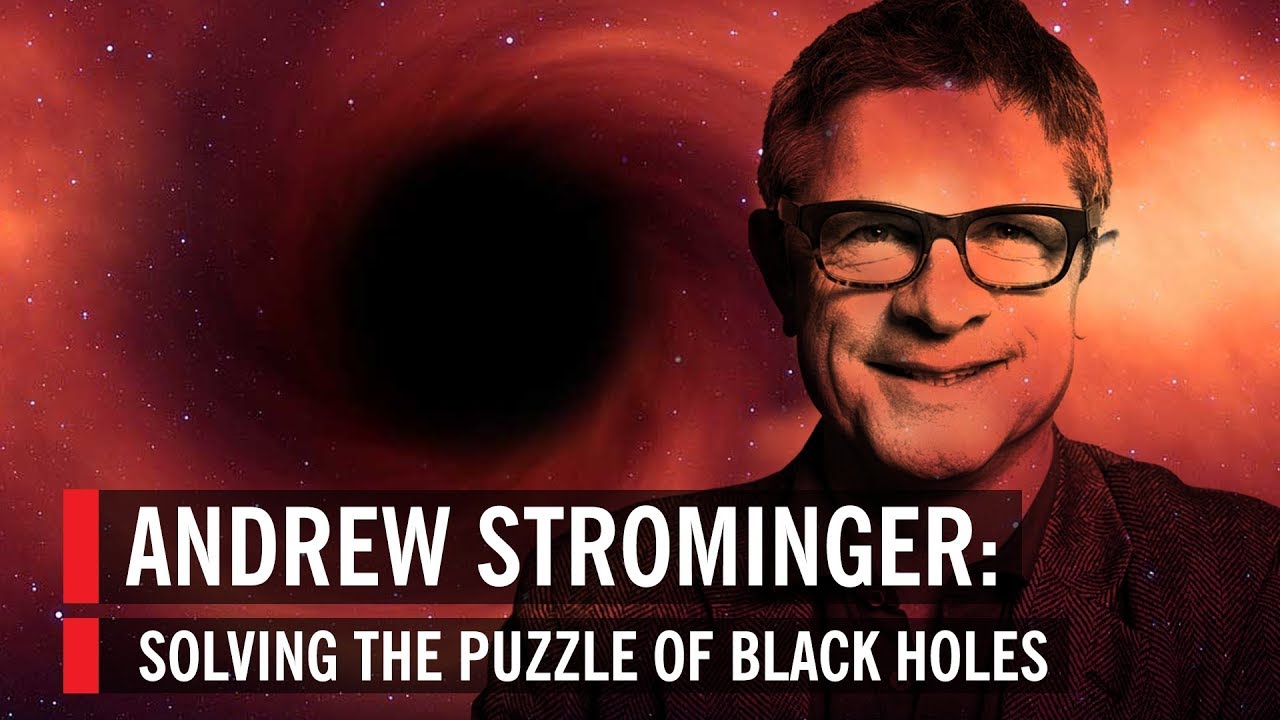
Harvard University Professor of Physics Andrew Strominger explores the deep theoretical puzzles that have driven black hole research and the insights achieved by recent breakthroughs. This program is part of …