Search Icon



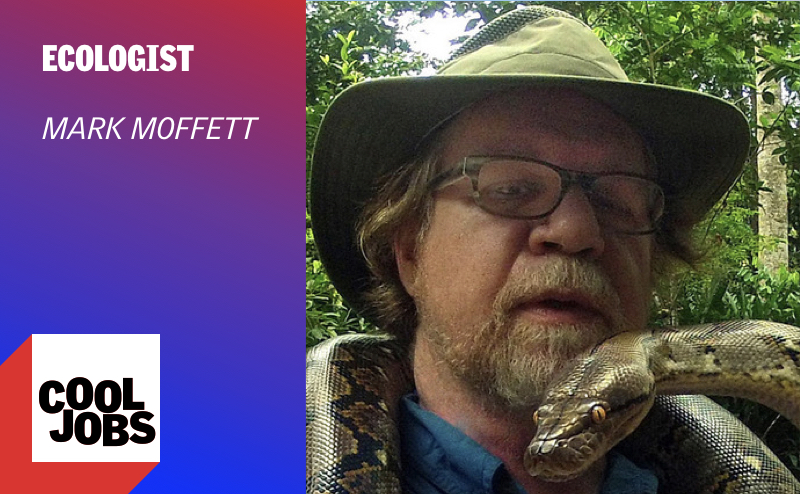
Ecologist and explorer Mark Moffett has trekked across the globe to document new animal species and behaviors. Just like the creatures he studies, Mark can be found crawling in the …
We look around us—constantly. But how often do we listen around us? Sound is critically important to our bodies and brains, and to the wider natural world. In the womb, we hear before we see.
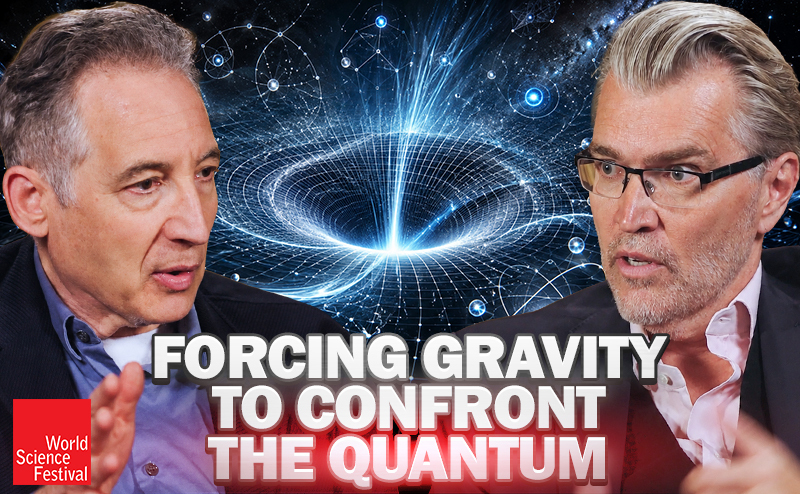
What if a groundbreaking experiment could finally reveal whether gravity is a quantum force? Brian Greene sits down with Vlatko Vedral, Professor of Quantum Information Science at the University of …
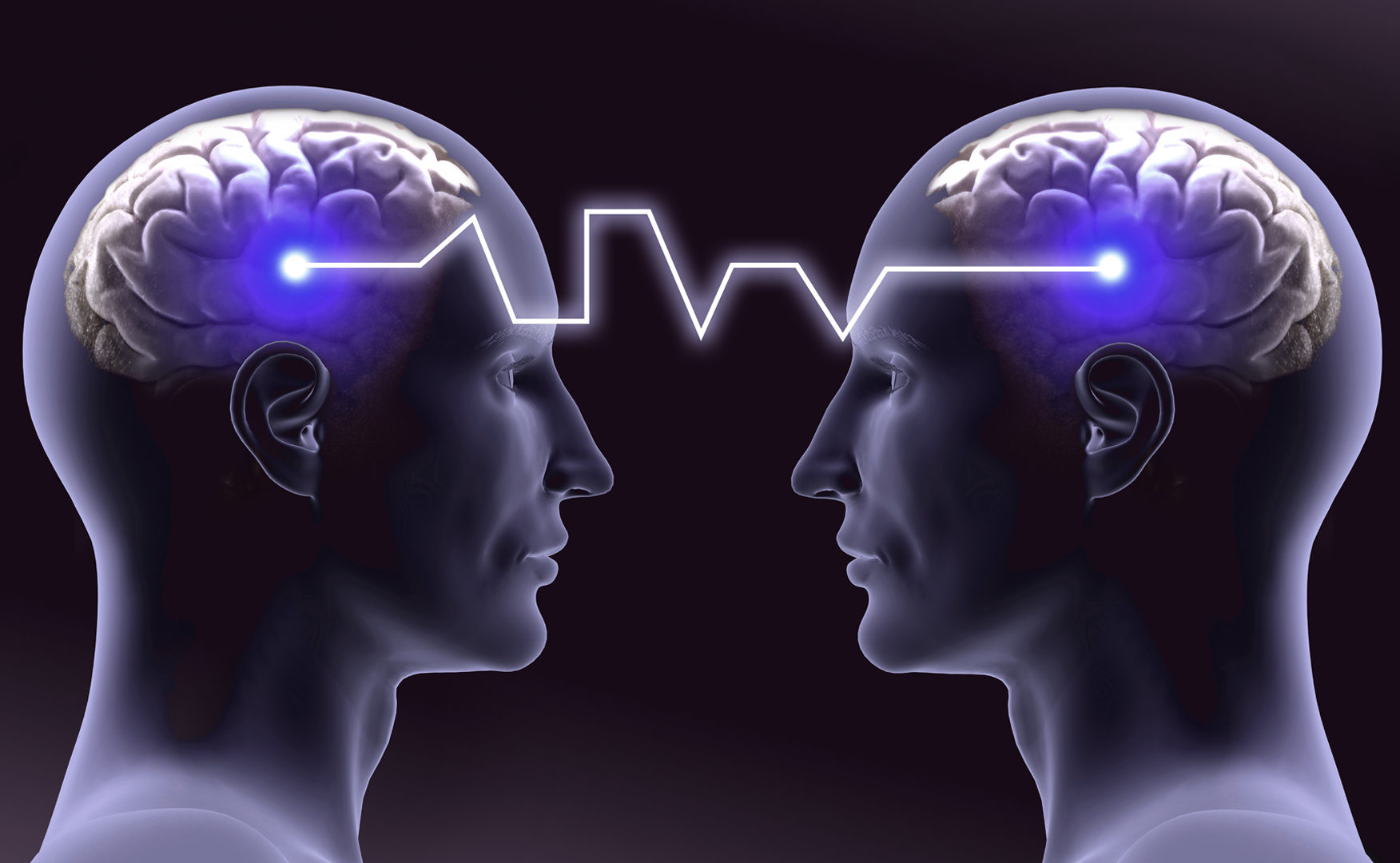
Music students download the technique of their favorite pianist or singer directly into their brains. Medical students download the skills of a seasoned surgeon or diagnostician. And each one of us routinely uploads our thoughts and memories to the digital cloud.
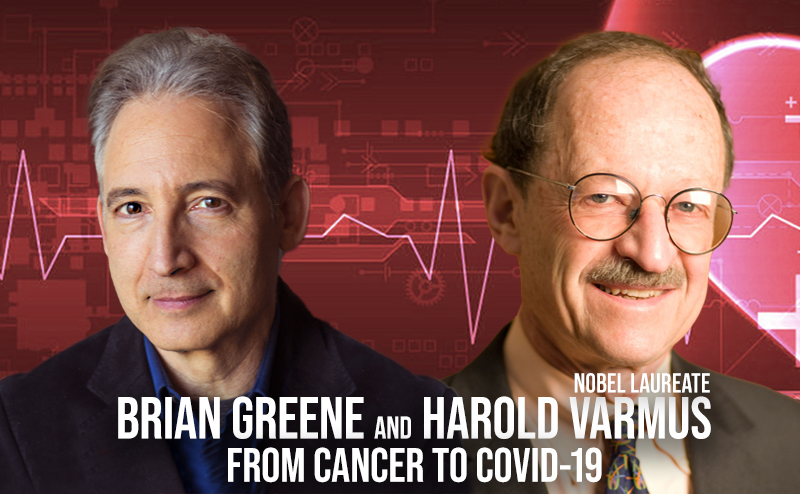
In this World Science U Live Session, Nobel laureate, former Director of the National Institutes of Health and former President of Memorial Sloan Kettering, Harold Varmus, M.D., and Brian Greene …
The prestigious biennial Kavli Prizes recognize scientists for major advances in three research areas: astrophysics, nanoscience and neuroscience—the big, the small and the complex. The 2014 winners, sharing a $1 million award in each field, will be announced live via satellite from the Norwegian Academy of Science and Letters in Oslo.