Search Icon



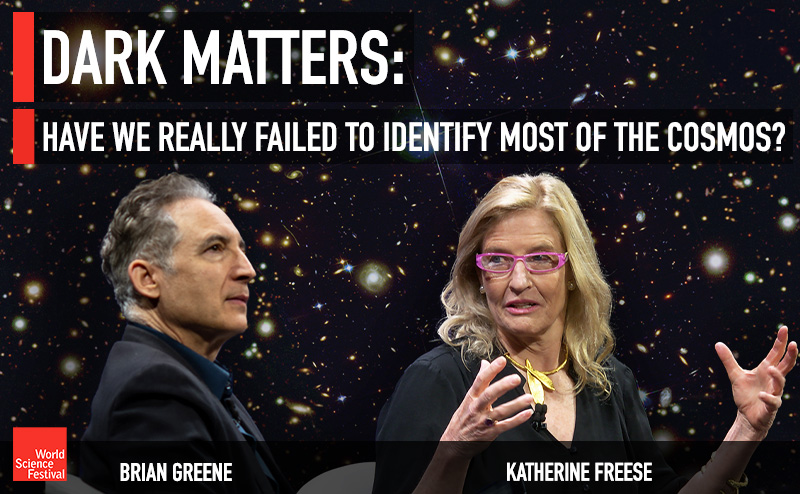
How confident are we that most matter in the universe has so far escaped detection? And if there is dark matter, might there be dark stars and even a dark …

In 1935, Albert Einstein and two colleagues published a landmark paper revealing that quantum mechanics allows widely separated objects to influence one another, even though nothing travels between them. Einstein called it spooky and rejected the idea, arguing instead that it exposed a major deficiency in the quantum theory.

Prominent clashes — both historical and contemporary — have led to the widely held conclusion that science and religion are fundamentally incompatible. Yet, many scientists practice a traditional faith, having found a way to accommodate both scientific inquiry and religious teaching in their belief system.
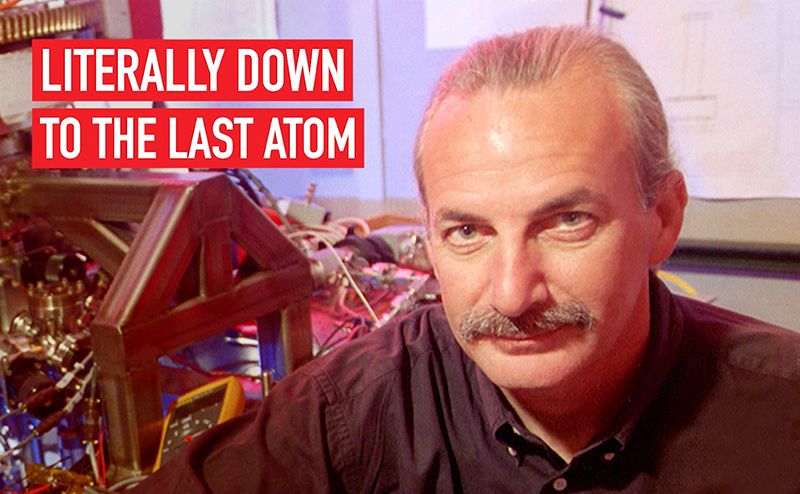
Do your friends call you a control freak? Well then, you’re in good company. Learn more about the #scientist known as the “Maestro of the Miniscule” who used atom manipulation …
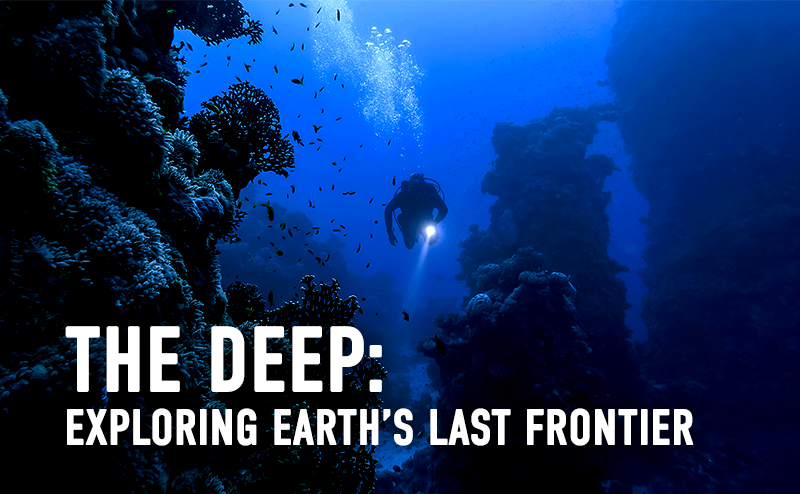
For centuries, humans believed the deep sea was lifeless, but new technologies have revealed that this previously hidden realm is home to rich ecosystems, mineral treasures, and an astounding kaleidoscope …

2018 marks the tenth anniversary of the prestigious Kavli Prize, which recognizes scientists for major advances in three research areas: astrophysics, nanoscience, and neuroscience—the big, the small, and the complex. …