Search Icon





The nature of time is an age-old conundrum for physicists, philosophers, biologists and theologians. The Newtonian picture of time—a kind of cosmic clock that ticks off time in a manner that applies identically to everyone and everything—tightly aligns with our experience. But with special and general relativity, Einstein showed the fallacy inherent in experience.
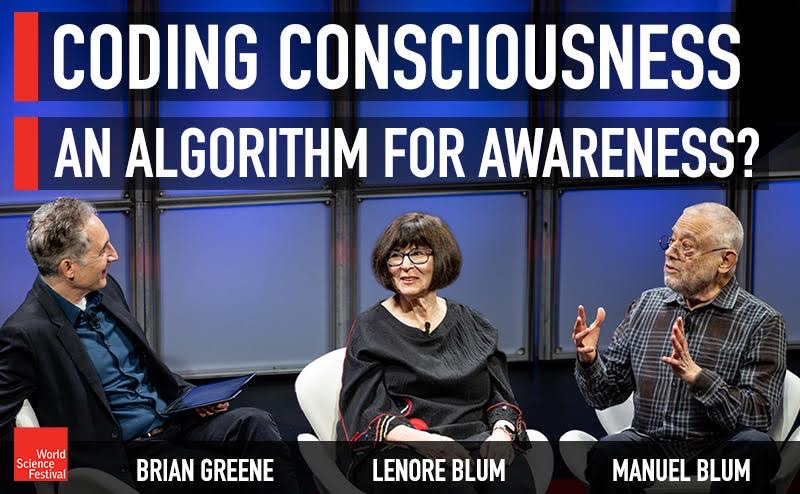
Can conscious self-awareness be coded in an algorithm? According to distinguished computer scientist Lenore Blum and Turing Award Laureate Manuel Blum the answer is “yes,” and they join Brian Greene …
This video is part of our Brilliant Breakthroughs series: our new 20-episode mini-series exploring the “Eureka!” moments and proud accomplishments of the greatest scientific minds of our time. Join us …
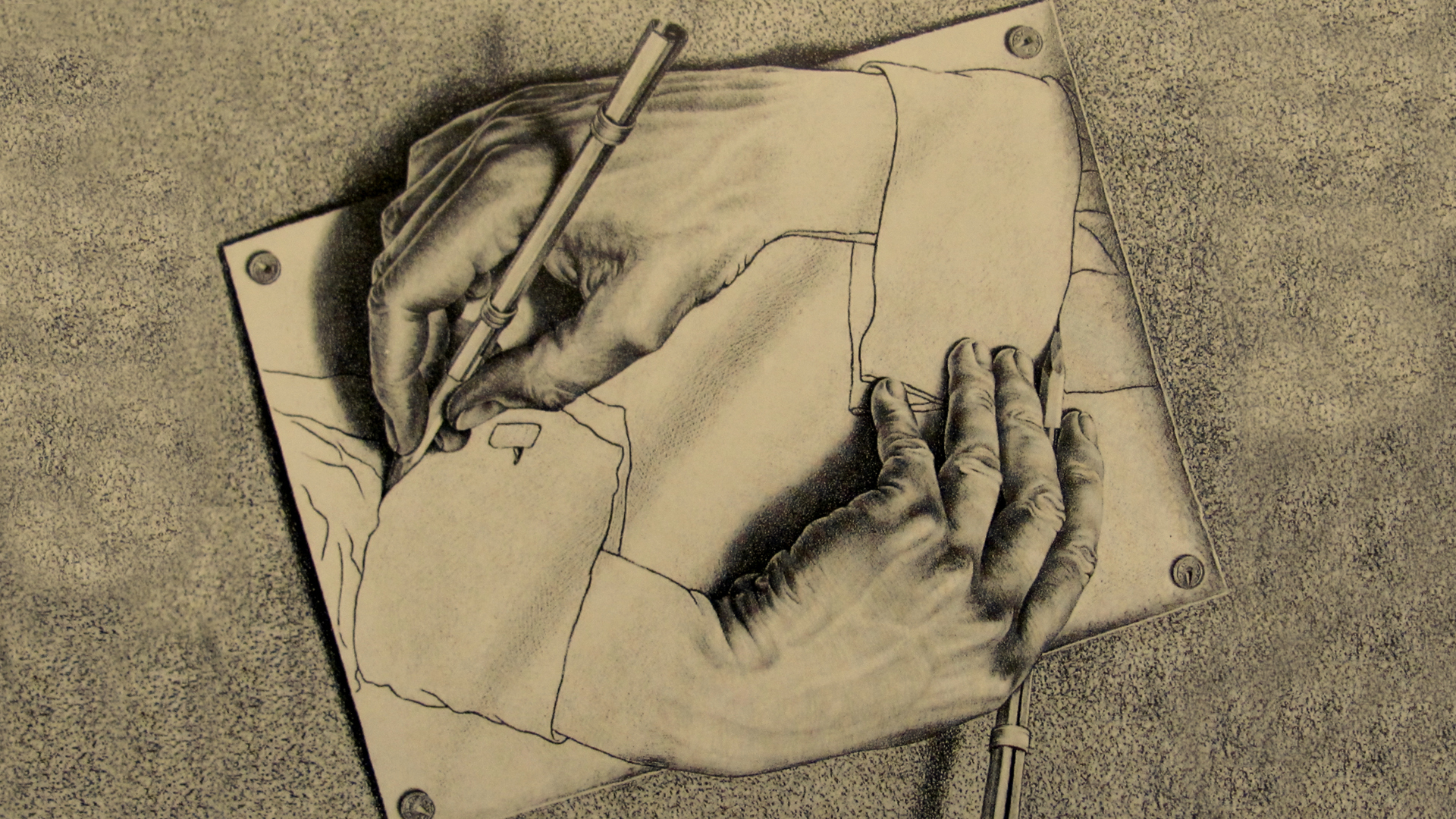
This statement is false. Think about it, and it makes your head hurt. If it’s true, it’s false. If it’s false, it’s true. In 1931, Austrian logician Kurt Gödel shocked the worlds of mathematics and philosophy by establishing that such statements are far more than a quirky turn of language: he showed that there are mathematical truths which simply can’t be proven.
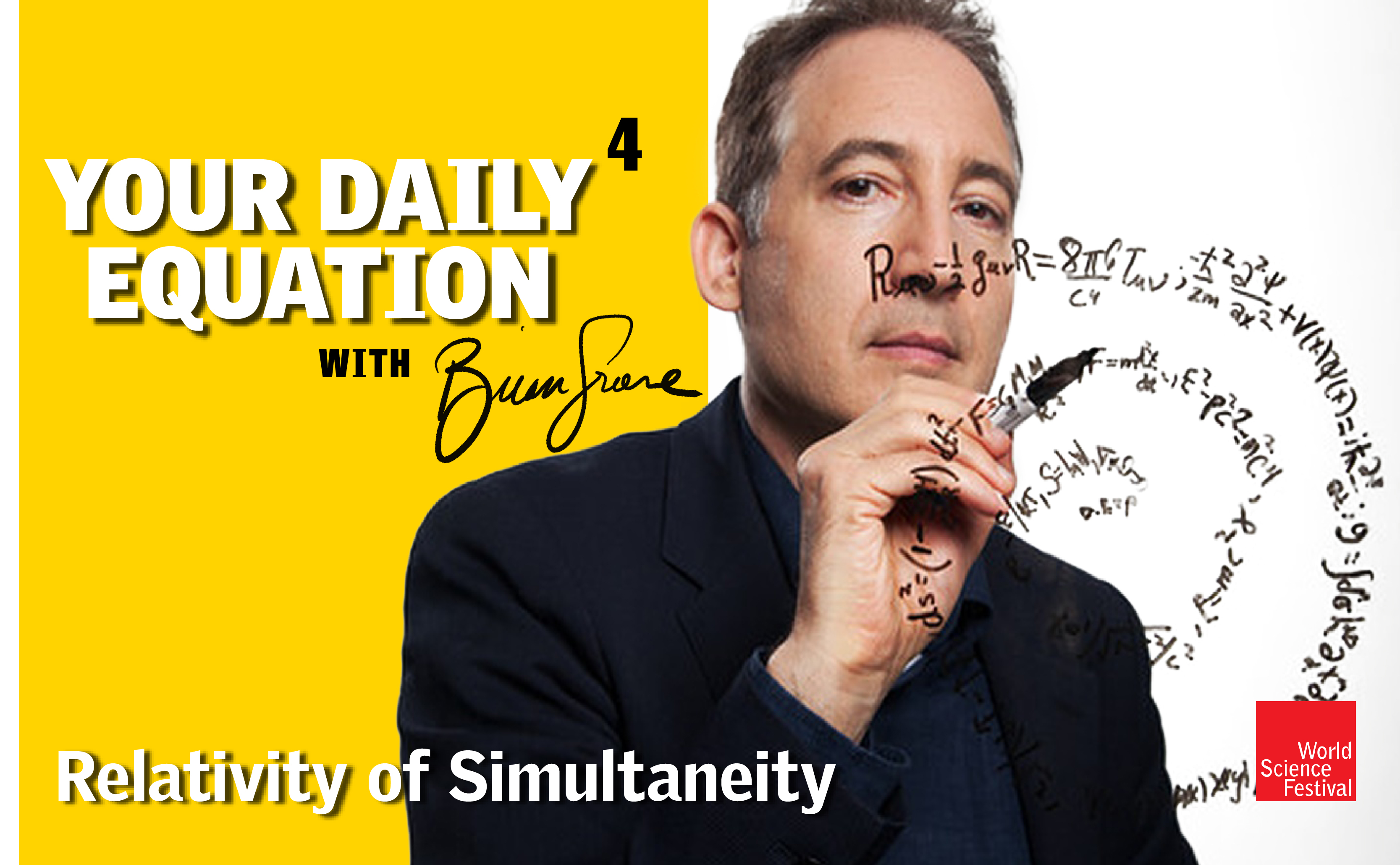
#YourDailyEquation with Brian Greene offers brief and breezy discussions of the most pivotal equations of the ages. Even if your math is a bit rusty, these accessible and exciting stories …

Improving your athletic ability is possible with technology created by engineers William “Buddy” Clark and Mike Ressler. See how their innovations can be easily used to analyze and step up …