Search Icon




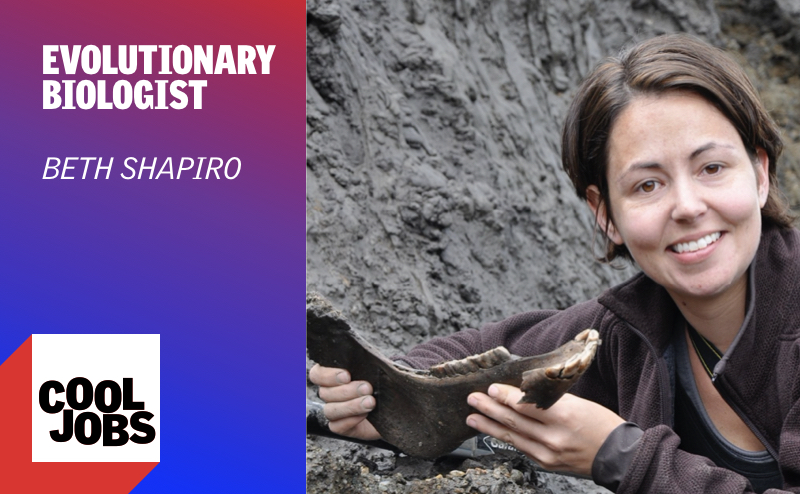
Evolutionary paleogeneticist Beth Shapiro travels to the cold reaches of the world to find DNA samples of long extinct animals, such as mastodons and saber-toothed tigers. She hopes to learn …

Neil Turok joins Brian Greene to describe his new ideas for curing the big bang singularity and providing a natural dark matter candidate, all while avoiding the conventional paradigm of …

This program, Ending the Epidemic: Science Advances on AIDS, brings together leading researchers on the forefront of scientific efforts to understand and attack the virus that causes AIDS. Moderator Richard …
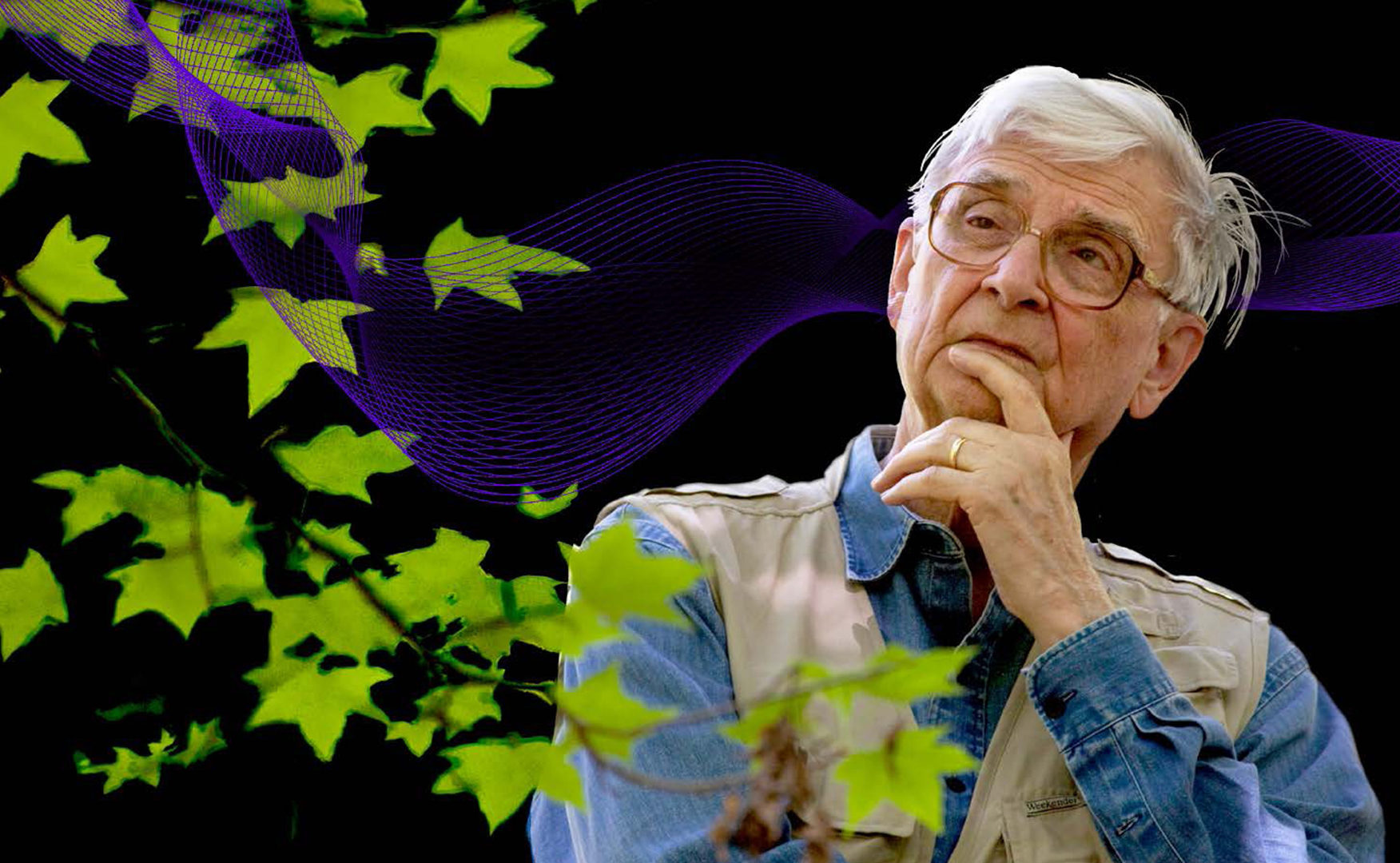
Every generation benefits from the insights and discoveries of the generations who came before. “If I have seen a little further it is by standing on the shoulders of giants,” …
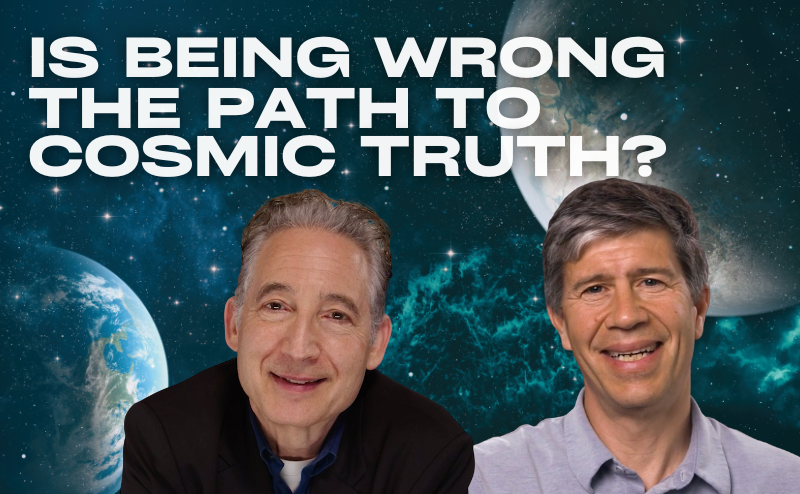
Leading cosmologist Matias Zaldarriaga, joins Brian Greene to explore the stunning insights — and the remaining mysteries — of modern cosmological thought. This program is part of the Big Ideas …

Fifty years ago, as Neil Armstrong and Buzz Aldrin bounced on the moon’s surface below, Apollo 11 Command Module Pilot Michael Collins briefly disappeared behind the lunar disk, becoming the …