Search Icon




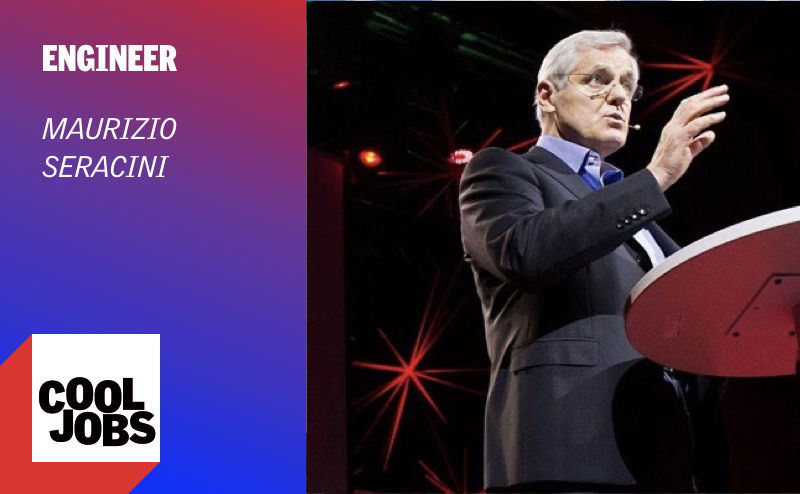
See how engineer and art historian Maurizio Seracini uses his pioneering multispectral imaging techniques and other tools to uncover the long-hidden stories behind masterpiece paintings. Episode filmed live at the …

What happens when a black hole a billion times more massive than our sun powers a star-like object? It’s a quasar of a question. These massive and extremely remote celestial …

Is the human brain an elaborate organic computer? Since the time of the earliest electronic computers, some have imagined that with sufficiently robust memory, processing speed, and programming, a functioning human brain can be replicated in silicon.
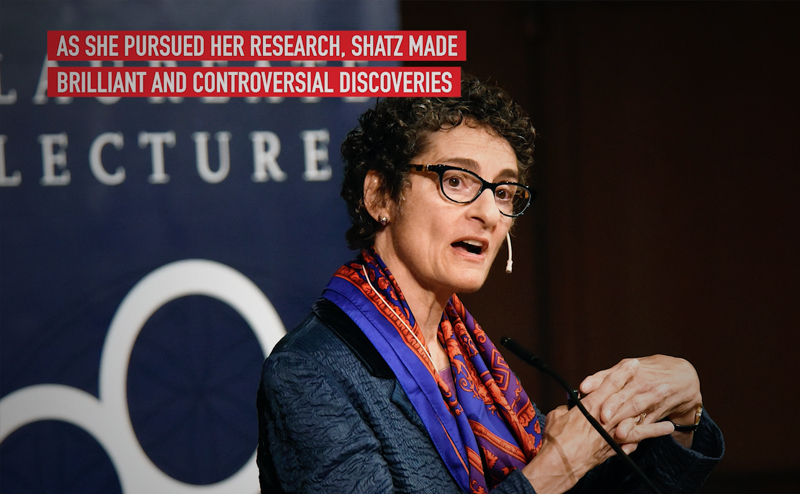
This video is part of our Brilliant Breakthroughs series: our new 20-episode mini-series exploring the “Eureka!” moments and proud accomplishments of the greatest scientific minds of our time. Join us …

Are we alone in this vast universe? Some think that’s highly unlikely. With new technologies joining the search, NASA estimates we’ll find definitive evidence of aliens within 20 to 30 …
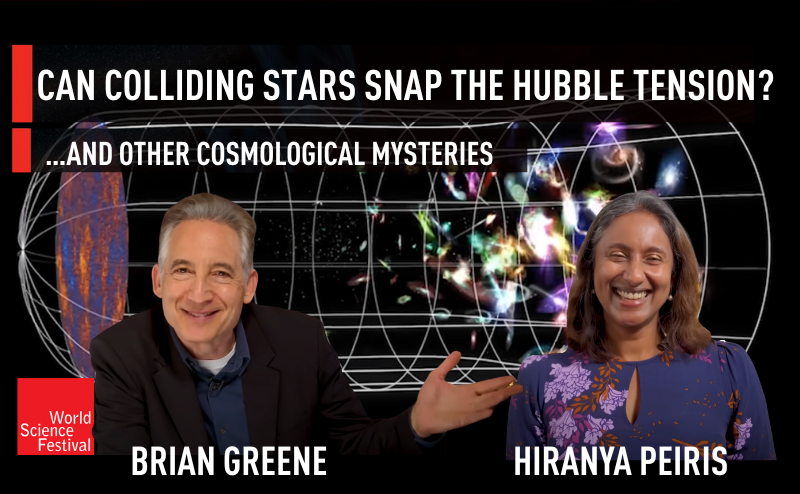
Cosmologist Hiranya Peiris joins Brian Greene to discuss pressing cosmological mysteries spanning dark matter, dark energy, the expansion rate of space, and the possibility of a multiverse.