Search Icon




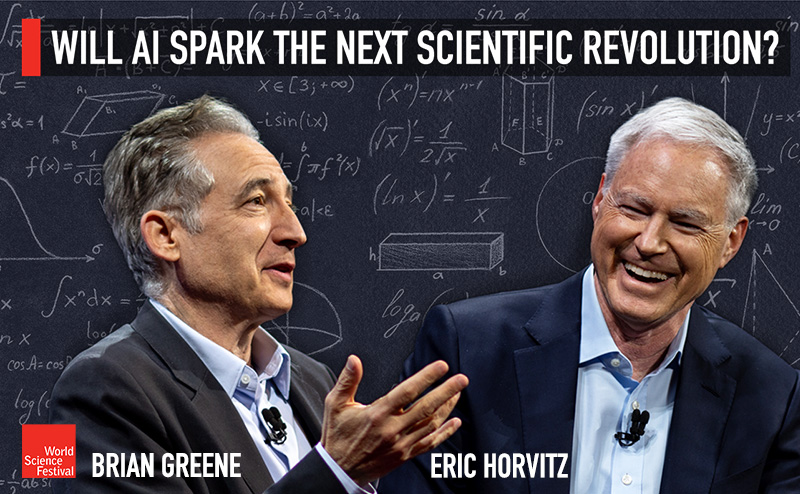
Brian Greene and Microsoft’s Chief Scientific Officer Eric Horvitz explore how AI may shape the future of fundamental scientific research. This program is part of the Big Ideas series, supported …

Probability is the backbone of science, but how well do you understand it? Odds are, not as well as you think; it is a surprisingly subtle concept that is often misunderstood, sometimes even by professionals who use it to guide crucial and far-reaching decisions.

“Because it’s there” was George Mallory’s famous explanation for why he risked (and lost) his life trying to become the first person to summit Everest. We don’t all want to …
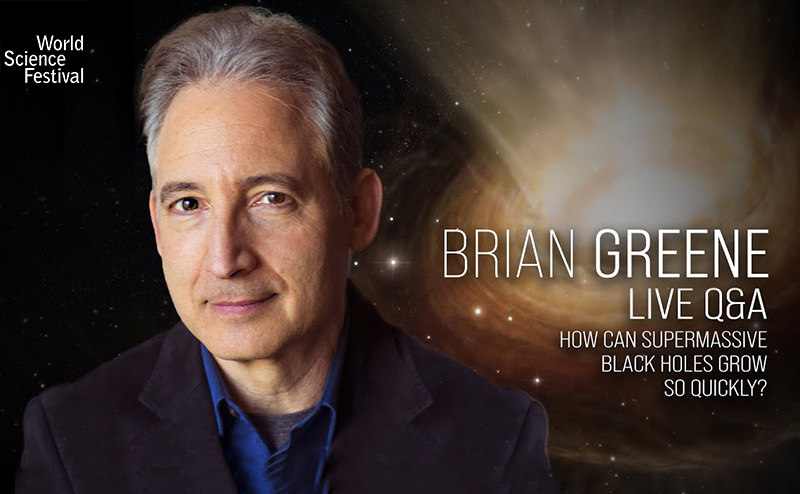
In this live discussion and Q & A, Brian Greene addresses a wide range of fascinating questions, taken directly from the live chat, and covering a variety of topics, from …

Nanotechnology has found its way into a wide range of consumer products, from cell phones to odor-resistant socks. But is this tiny tech up to one of the biggest challenges …

We spend a third of our lives asleep. Every organism on Earth—from rats to dolphins to fruit flies to microorganisms—relies on sleep for its survival, yet science is still wrestling with a fundamental question: Why does sleep exist?