Search Icon




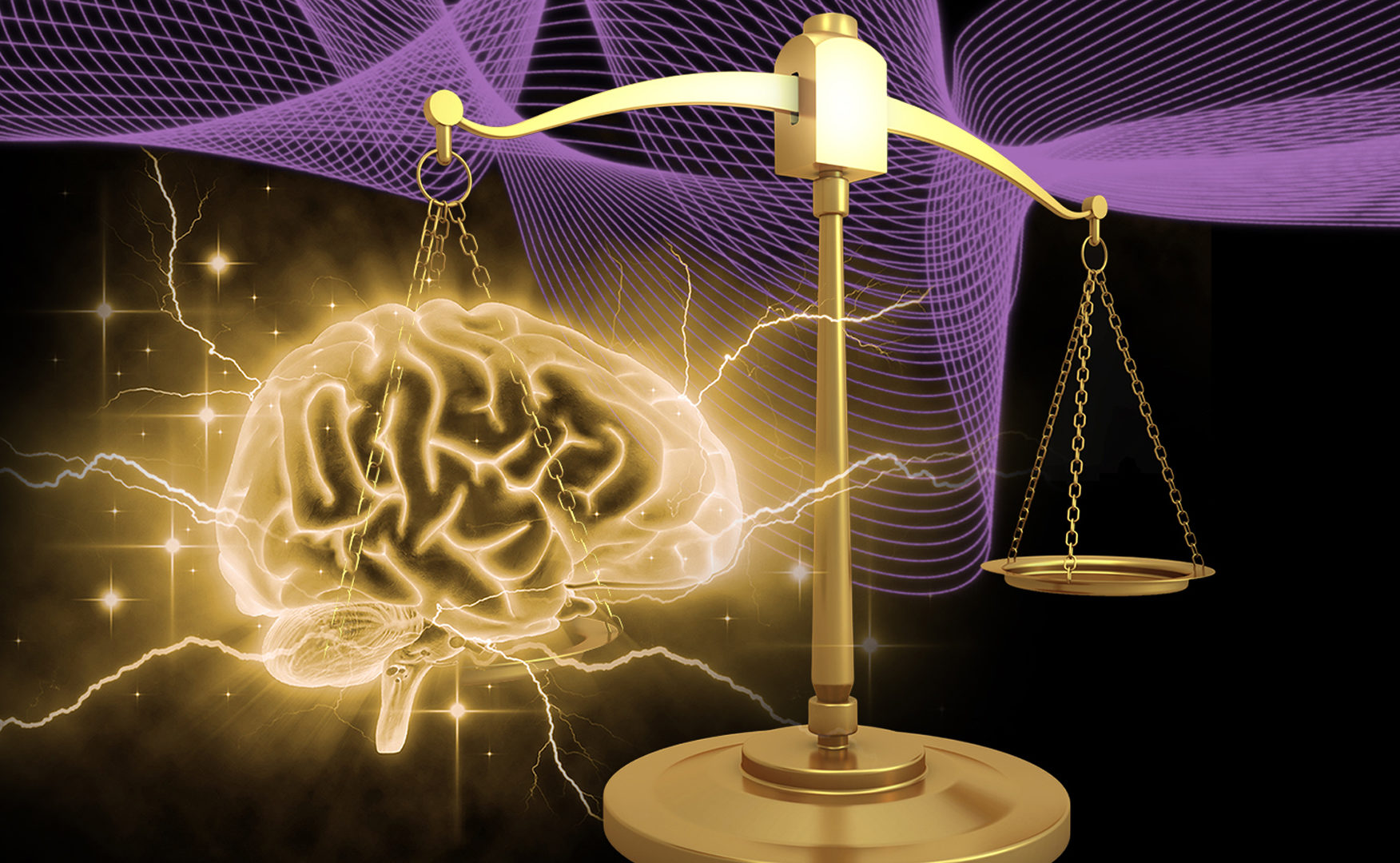
What if we could peer into a brain and see guilt or innocence? Brain scanning technology is trying to break its way into the courtroom, but can we—and should we—determine criminal fate based on high-tech images of the brain?
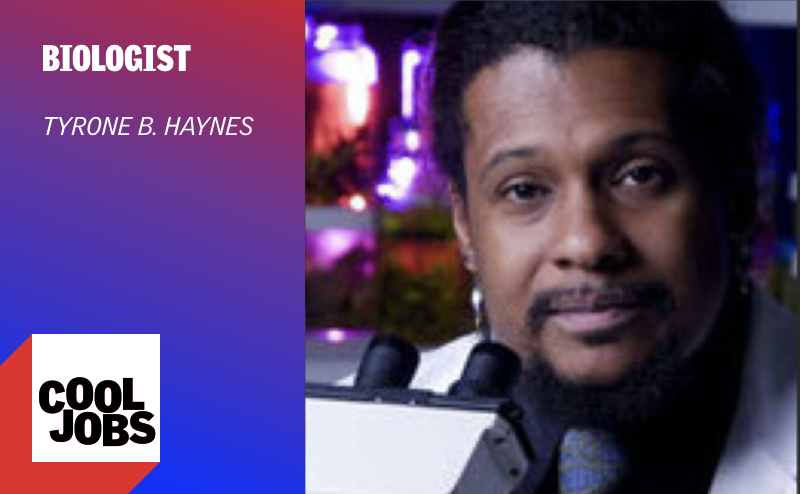
Amphibian biologist Tyrone Hayes’s boyhood love of frogs turned into a career of adventure. Hear how he uncovered farming chemicals that give male frogs female reproductive capabilites, a discovery that …

Are we alone in this vast universe? Some think that’s highly unlikely. With new technologies joining the search, NASA estimates we’ll find definitive evidence of aliens within 20 to 30 …

“Because it’s there” was George Mallory’s famous explanation for why he risked (and lost) his life trying to become the first person to summit Everest. We don’t all want to …

How do we develop a sense of who we truly are? Do we perceive ourselves as science defines us? While some scientists think our identities are a product of our …

Our genes strictly dictate our personalities, appearance and diseases. Or do they? Research has revealed that genes can turn on and off; they can be expressed for years and then silenced. Sometimes, they are never activated. And these genetic instructions—how and when DNA is read—can be determined by the experiences of one’s ancestors, even those several generations back.