Search Icon



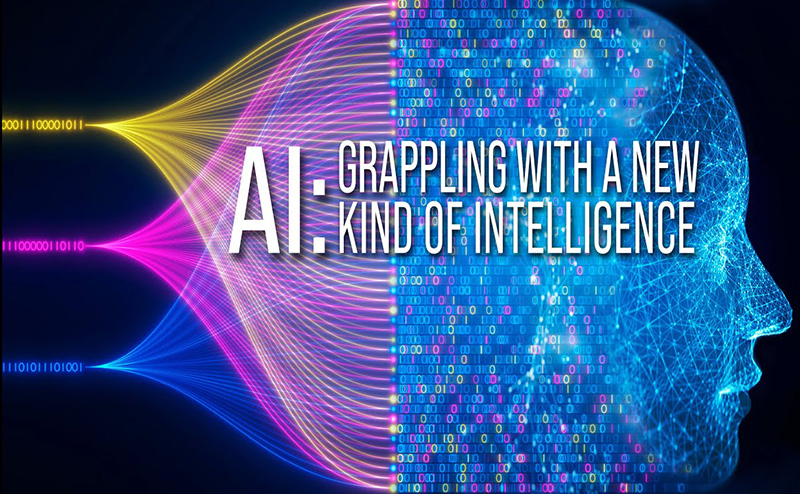
A novel intelligence has roared into the mainstream, sparking euphoric excitement as well as abject fear. Explore the landscape of possible futures in a brave new world of thinking machines, …
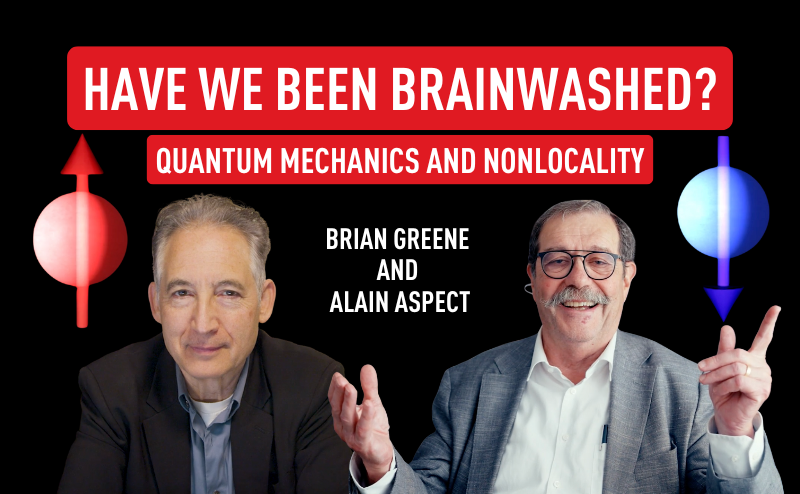
Step into the mind of Nobel laureate Alain Aspect, one of the pioneers who turned quantum weirdness into experimental reality. In this conversation with Brian Greene, Aspect retraces the century-long …
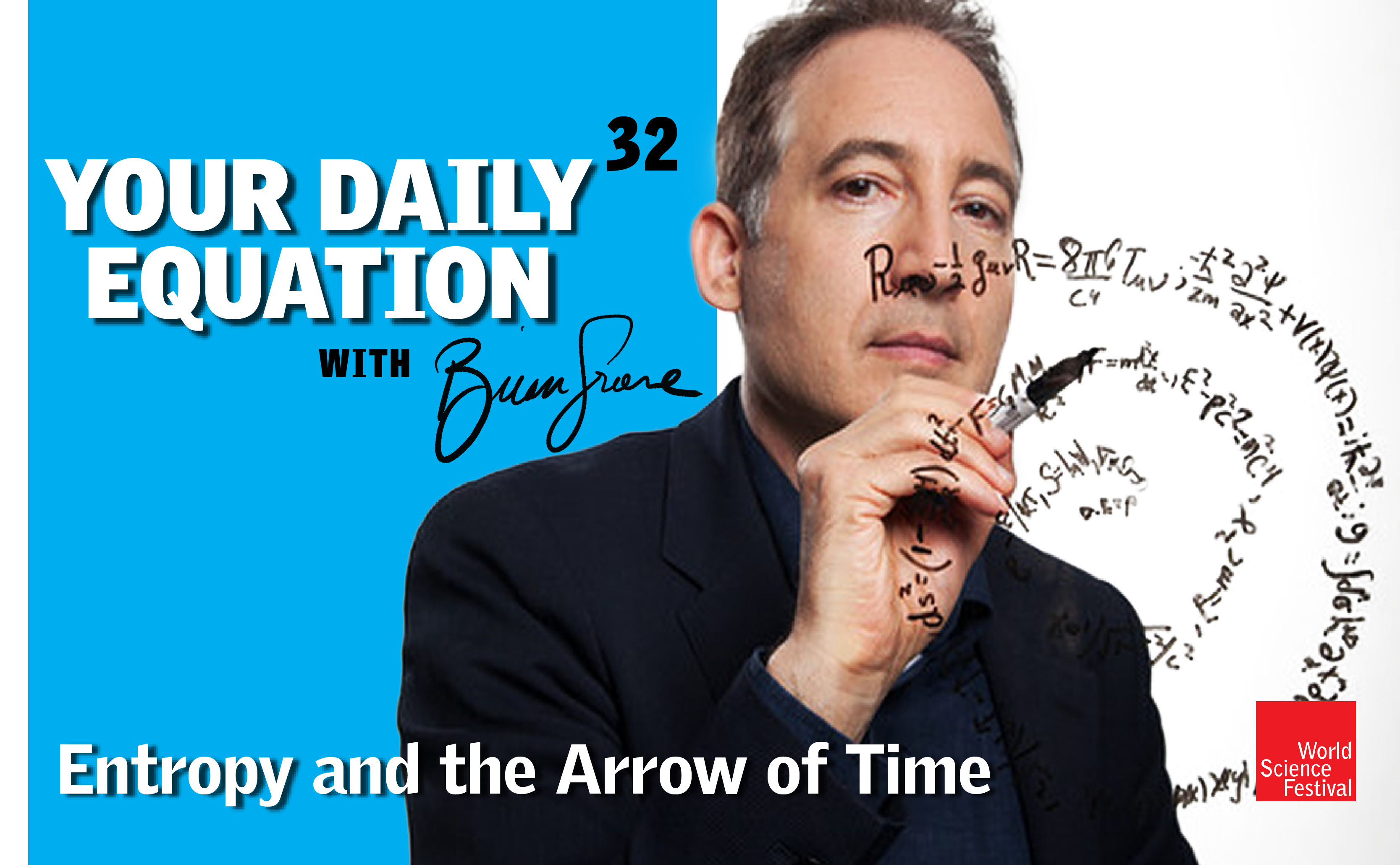
Join us for #YourDailyEquation with Brian Greene. Every Mon – Fri at 3pm EDT, Brian Greene will offer brief and breezy discussions of pivotal equations. Even if your math is a …
From a bee’s hexagonal honeycomb to the elliptical paths of planets, symmetry has long been recognized as a vital quality of nature. Today’s theorists are pursuing an even more exotic symmetry that, mathematically speaking, could be nature’s final fundamental symmetry: supersymmetry.
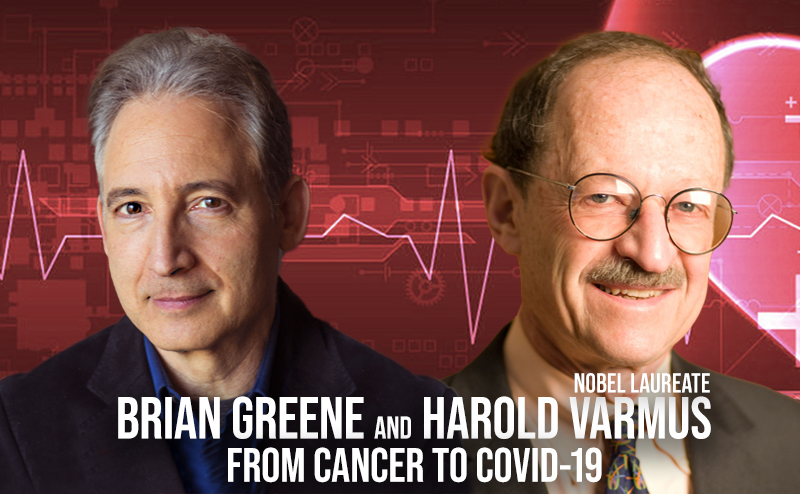
In this World Science U Live Session, Nobel laureate, former Director of the National Institutes of Health and former President of Memorial Sloan Kettering, Harold Varmus, M.D., and Brian Greene …
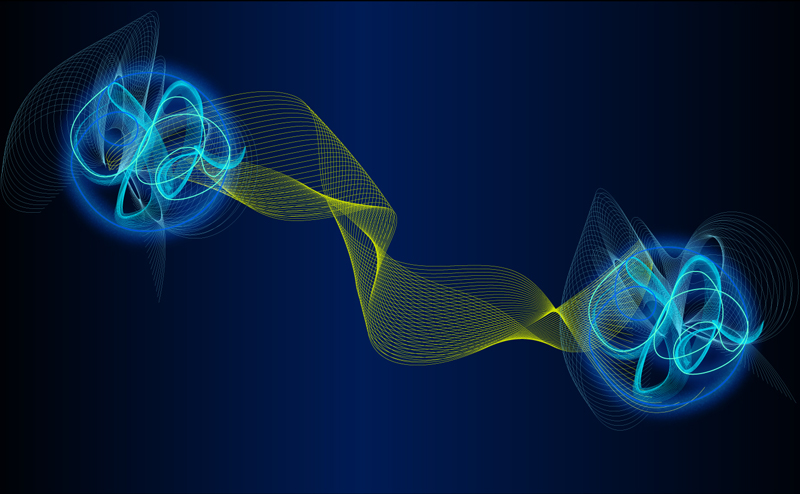
In 1935, Albert Einstein and two colleagues published a landmark paper revealing that quantum mechanics allows widely separated objects to influence one another, even though nothing travels between them. Einstein called it spooky and rejected the idea, arguing instead that it exposed a major deficiency in the quantum theory.