Search Icon




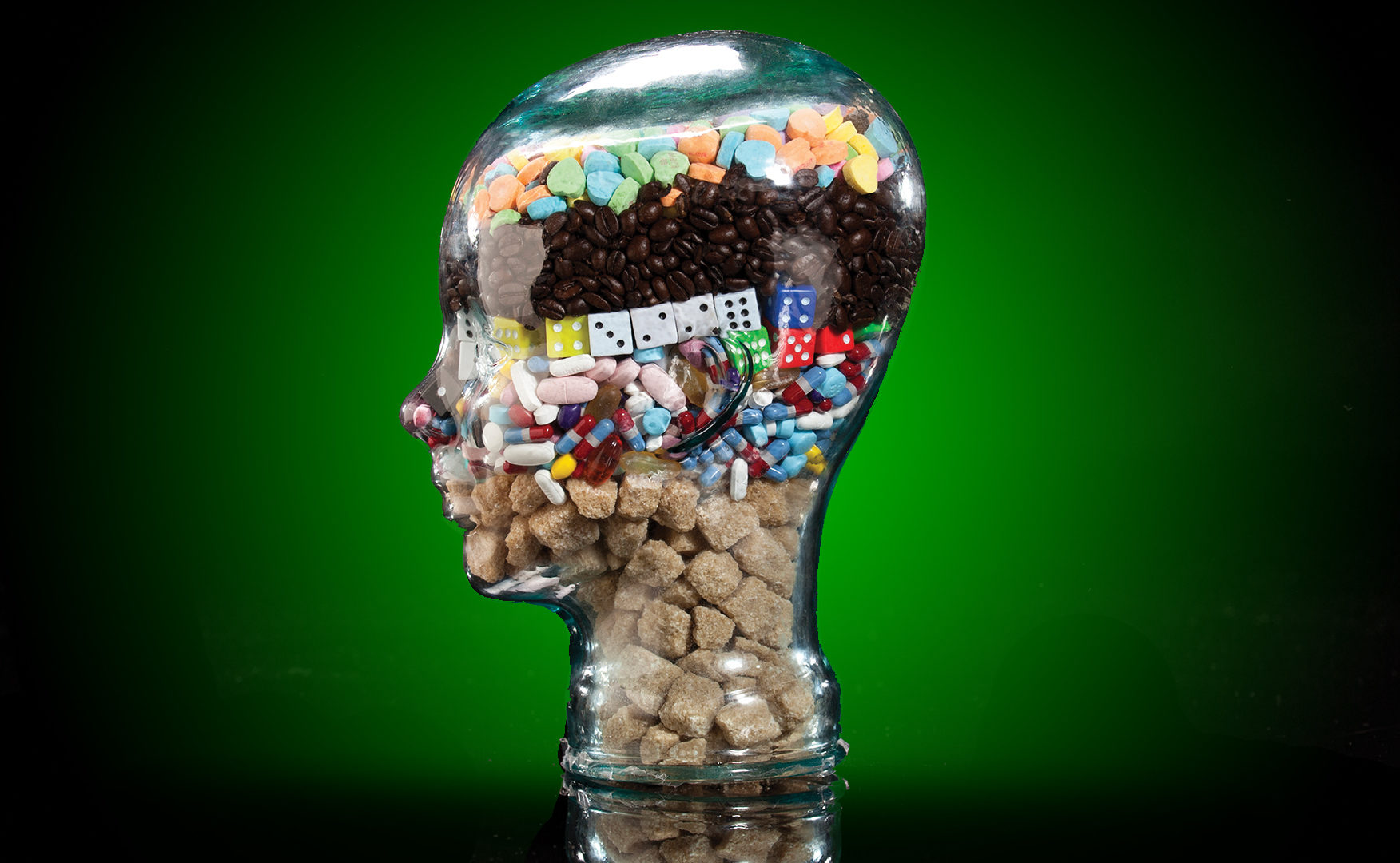
When we try to get rid of a bad habit, whether it involves food or drugs or gambling, it often seems like we’re fighting ourselves inside. The reality’s not far off: Addiction twists the reward pathways of the brain to keep addicts tied to whatever gets them high.
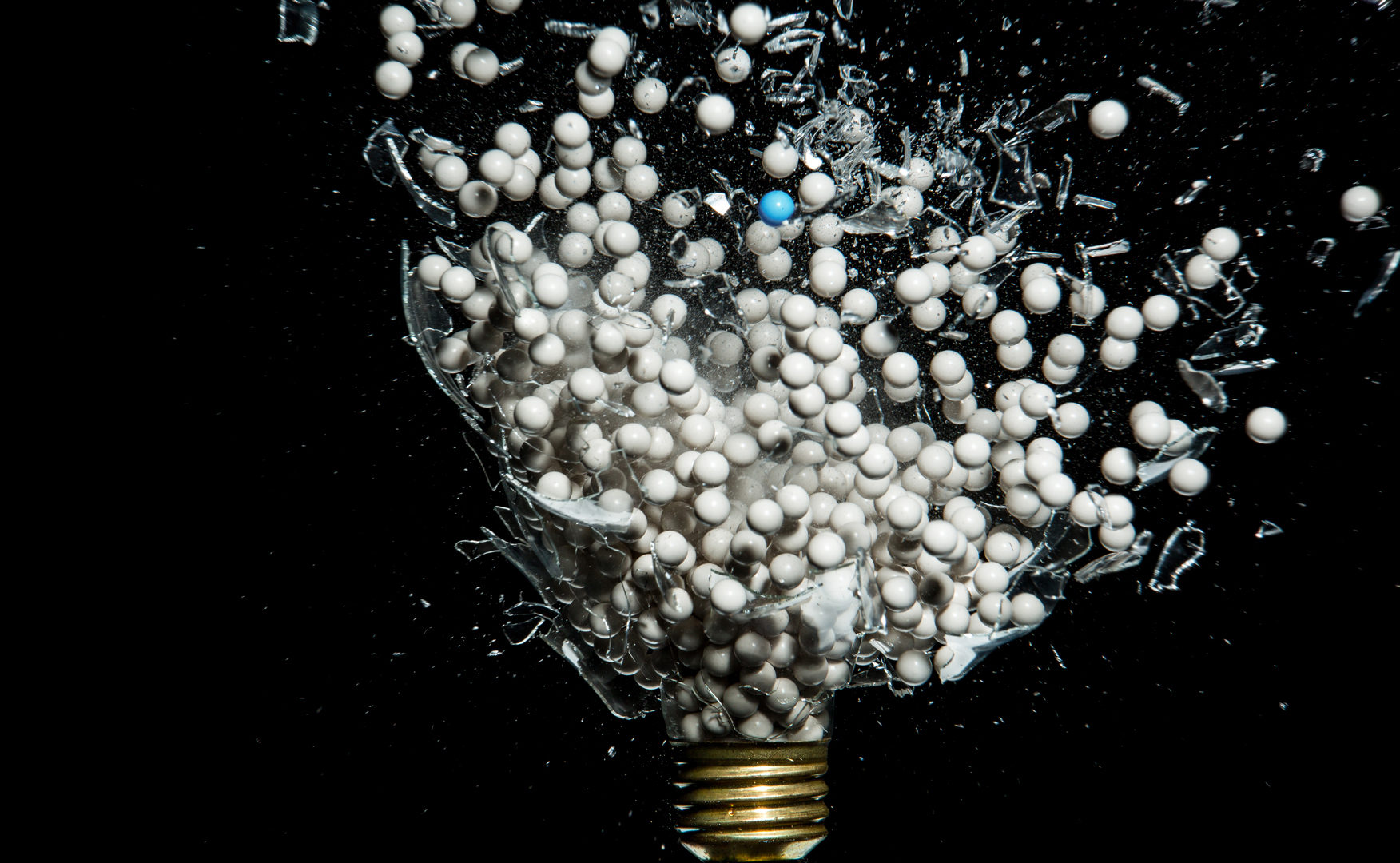
For all that Darwin contributed to our understanding of the biological world, he was haunted by one vexing question: How does the incremental process of evolution suddenly produce, say, humans—animals who walk upright, communicate through language, and possess the brainpower to travel to the moon?
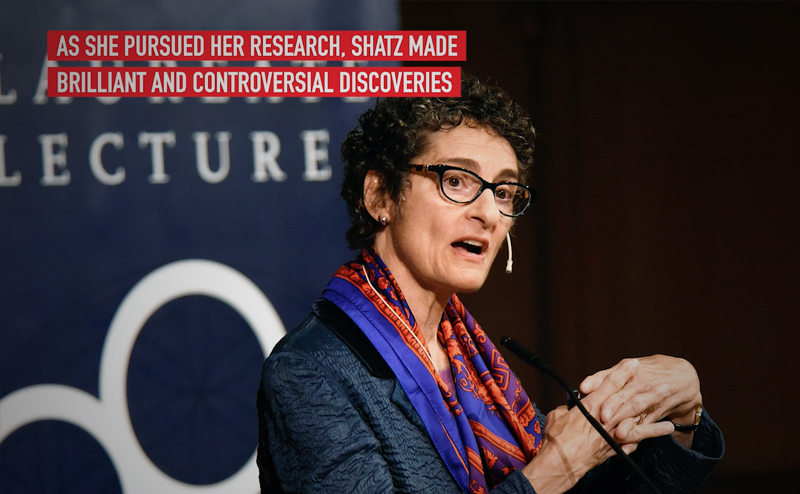
This video is part of our Brilliant Breakthroughs series: our new 20-episode mini-series exploring the “Eureka!” moments and proud accomplishments of the greatest scientific minds of our time. Join us …
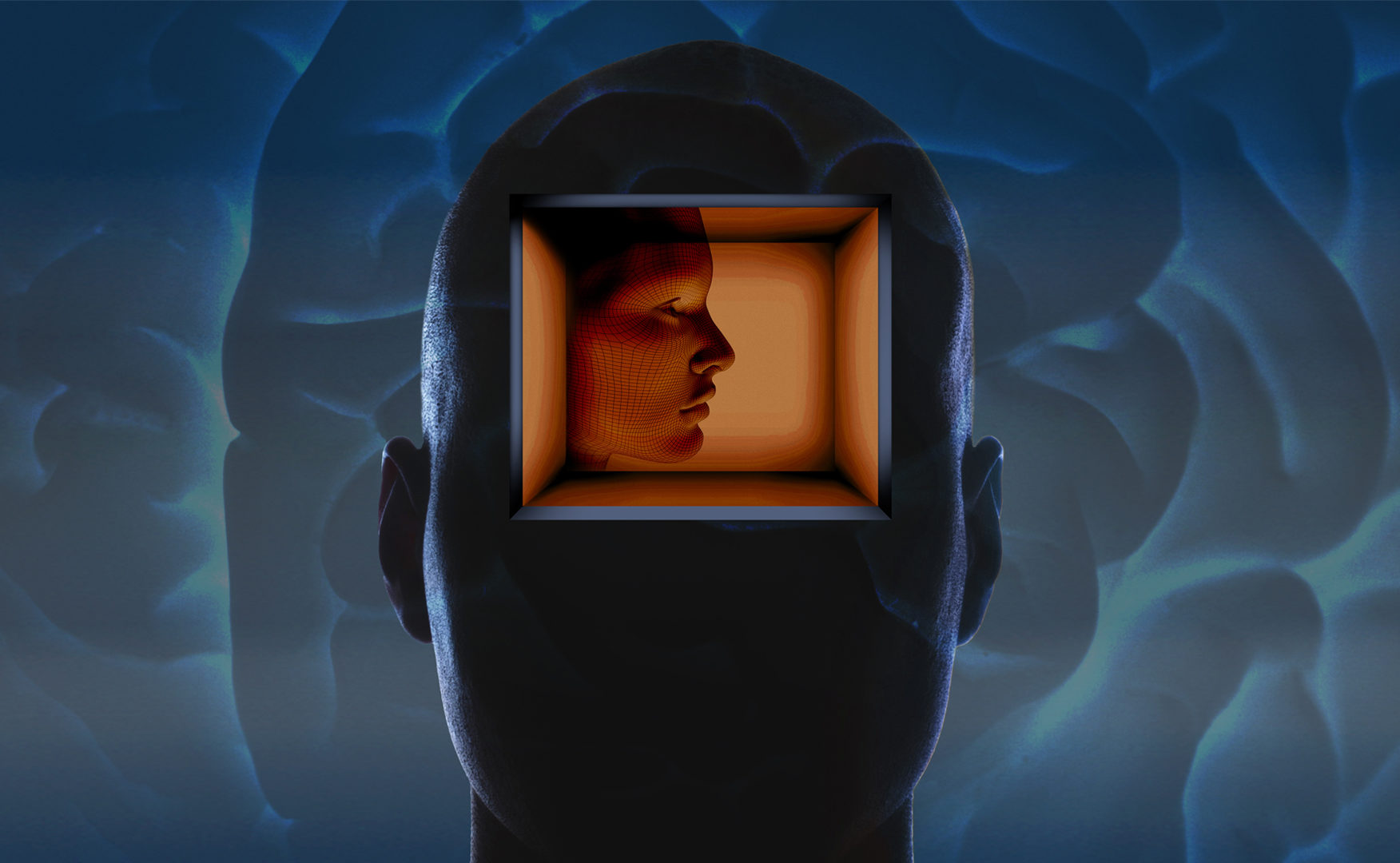
With ever more refined techniques for measuring complex brain activity, scientists are challenging the understanding of thought, memory and emotion–what we have traditionally called “the self.”
As long ago as the early 19th century, the poet Keats bemoaned the washing away of the world’s beauty and mystery in the wake of natural philosophy’s reductionist insights—its tendency …
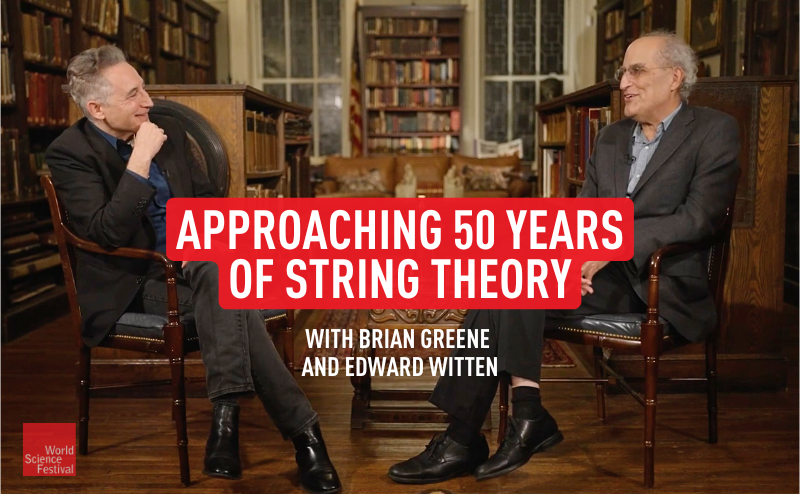
Edward Witten, widely regarded as one of the greatest living theoretical physicists, sits down with Brian Greene to explore the deepest questions at the frontiers of modern science. From string …