Search Icon




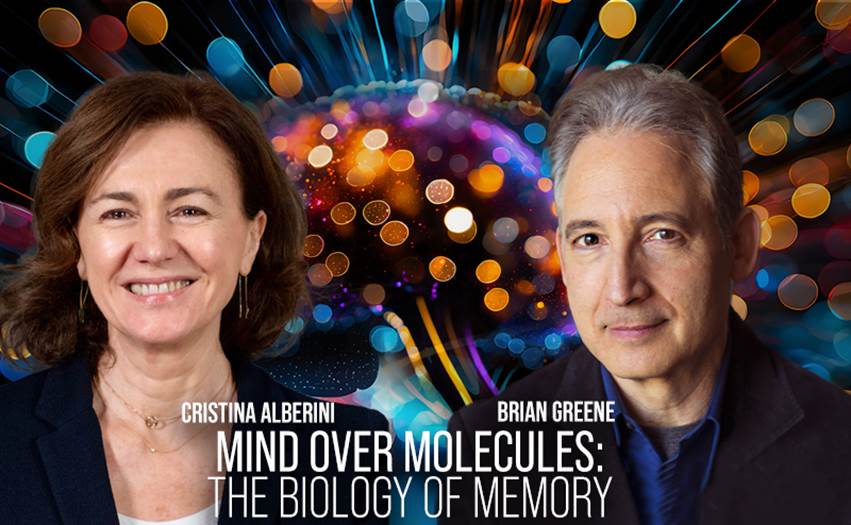
Explore memory’s biological blueprint as Brian Greene and Cristina Alberini probe the science behind our most cherished recollections, and discuss what may be the key to the formation of long-term …
Are we alone? It’s a question that has obsessed us for centuries, and now we have the technology to do more than wonder. Scientists on the hunt for distant planets and extraterrestrial intelligence explore faraway galaxies and barely visible realms.
Immanuel Kant, who coined the term genius in the 1700s, defined it as the rare capacity to independently understand concepts that would normally have to be taught by another person. Since then, the spectrum of abilities that we call genius has widened, but pivotal questions remain: What exactly is genius?
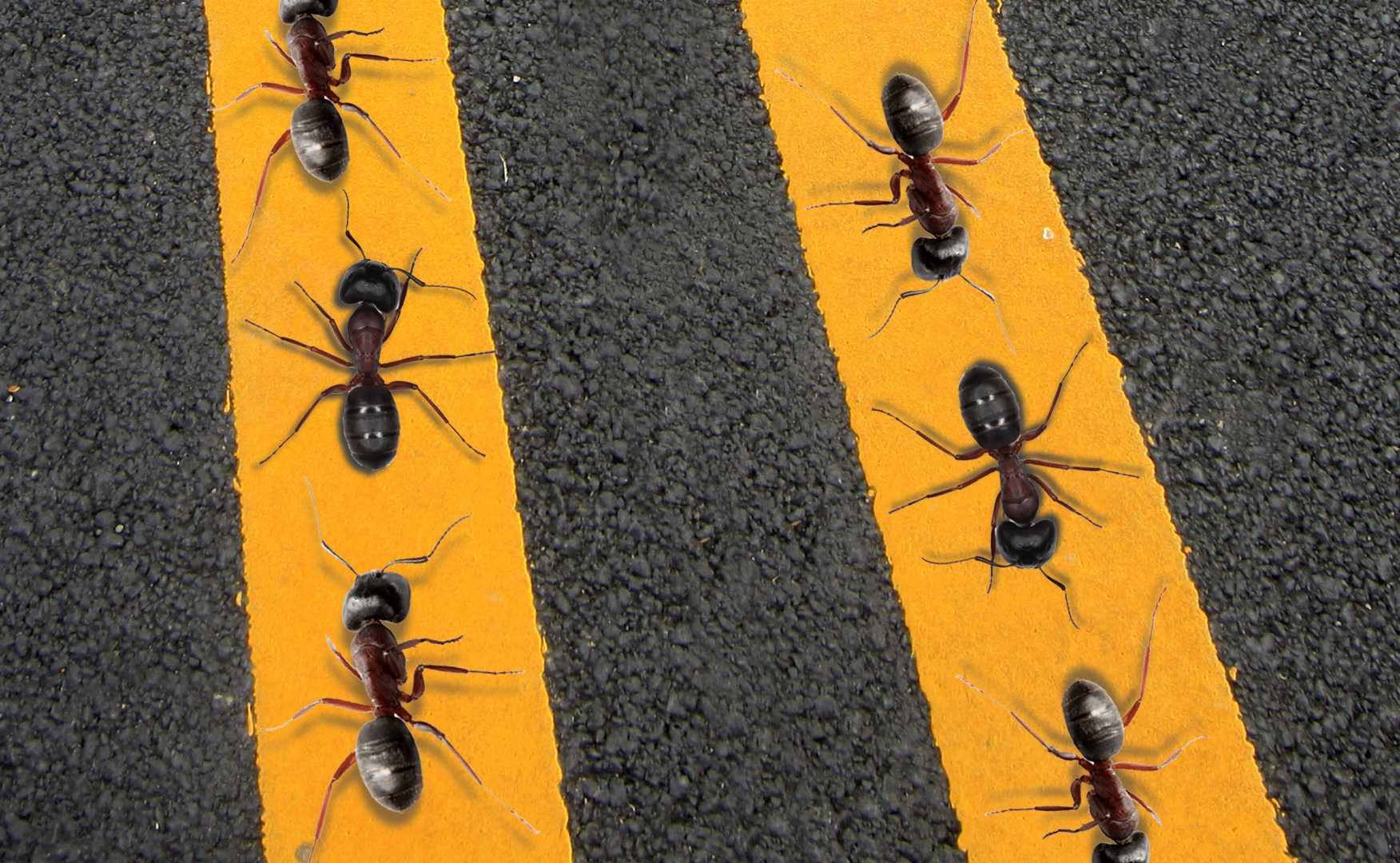
Can marching ants, schooling fish, and herding wildebeests teach us something about the morning commute? Robert Krulwich guides this unique melding of mathematics, physics, and behavioral science as Mitchell Joachim, Anna Nagurney and Iain Couzin examine the creative and sometimes counter intuitive solutions to one of the modern world’s most annoying problems.
IBM’s Watson has the ability to make a diagnosis. Apps can track and monitor patient emergencies. Our phones may soon be our medical advisers. Preventive and diagnostic medicine is on the cusp of an AI revolution that will no doubt save lives.

Nanotechnology has found its way into a wide range of consumer products, from cell phones to odor-resistant socks. But is this tiny tech up to one of the biggest challenges …