Search Icon




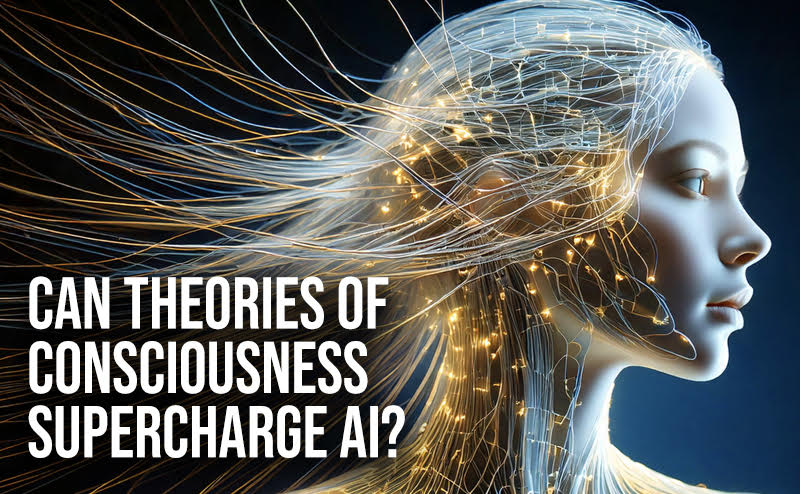
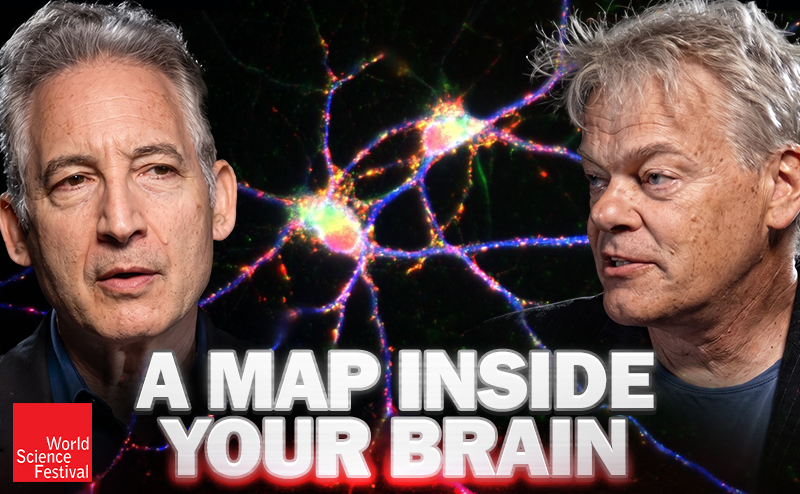
Some researchers propose that advancing AI to the next level will require an internal architecture that more closely mirrors the human mind. Rufin VanRullen joins Brian Greene to discuss early …
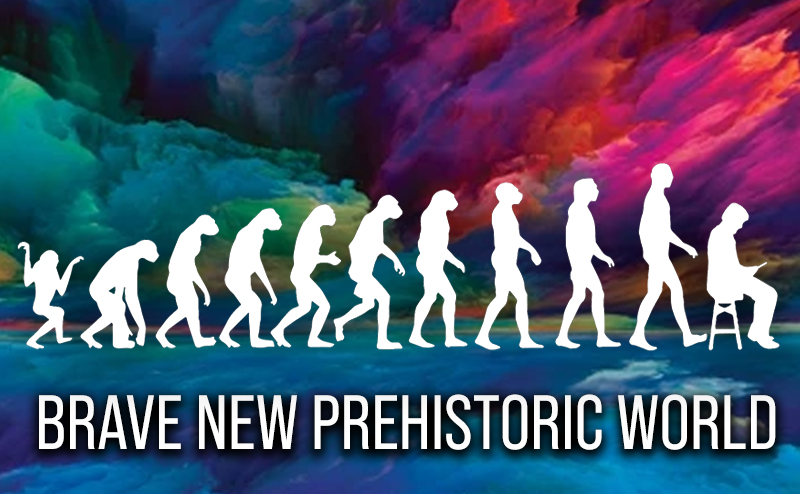
Recent breakthroughs in dating ancient samples of DNA and human remains have led to a radical reassessment of human origins. At least ten other early human groups–some with the cognitive capacity to make …
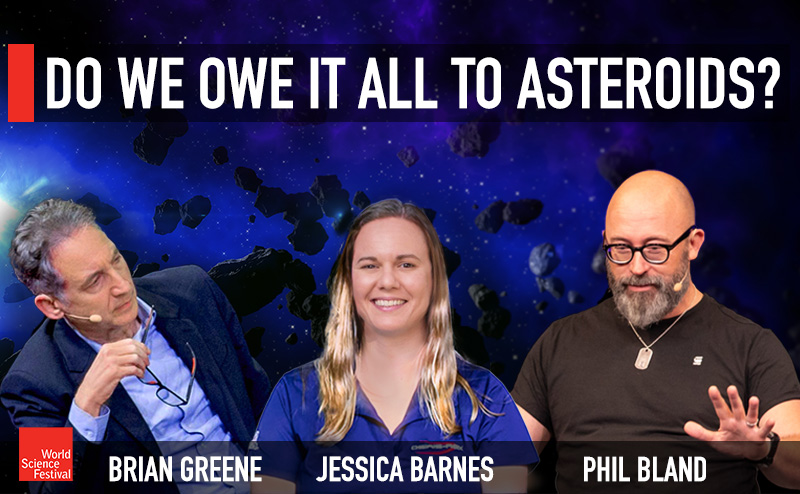
Did the molecules that make up life ride to earth on an asteroid? Planetary scientists Jessica Barnes and Phil Bland join Brian Greene to discuss NASA’s recent rendezvous with Bennu, …
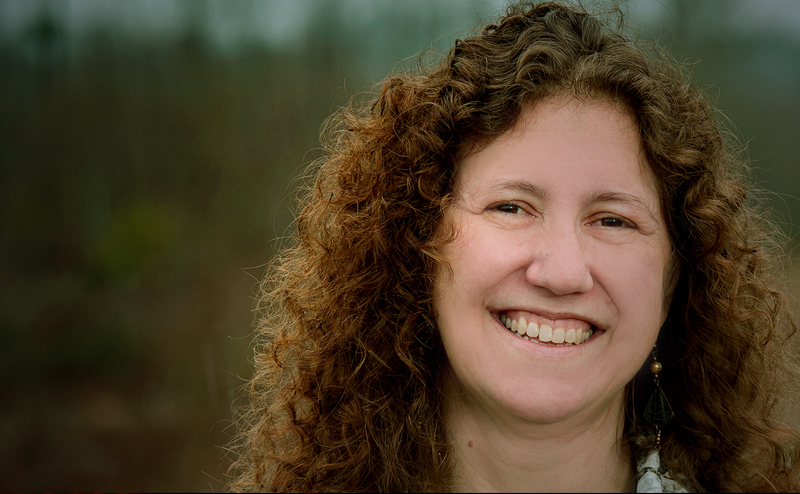
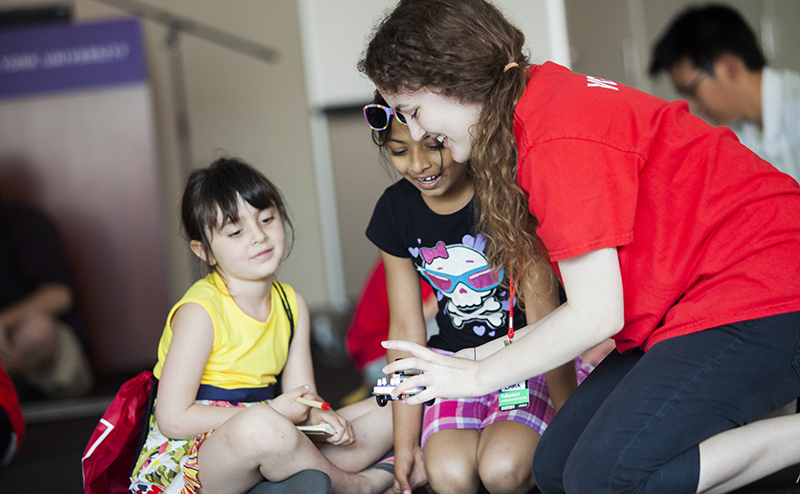
Great minds inspire greatness in others, which is why the Pioneers in Science program gives high school students from around the globe rare access to some of the world’s most …
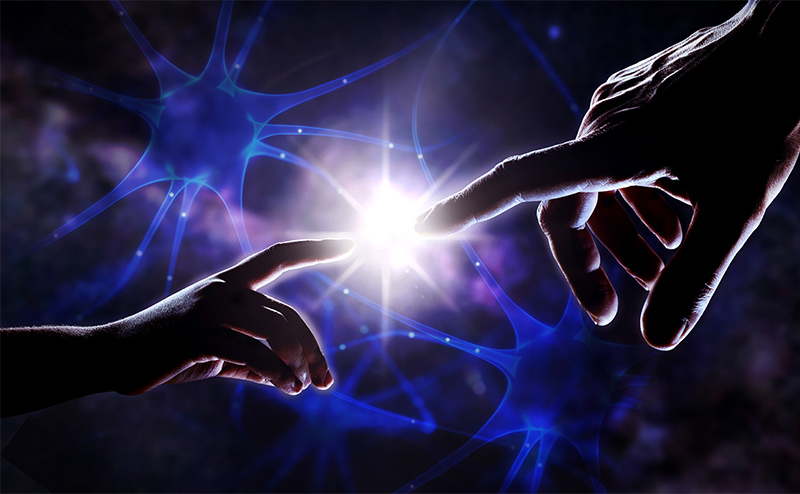
God, they say, is in the details. But could God also be in our frontal lobes? Every culture from the dawn of humankind has imagined planes of existence beyond the …

From diseases and disasters to the miracles wrought by evolution, the environmental forces that shape our lives are the inspiration for countless science writers. This event featured five award-winning authors whose best-selling books explore the complicated interplay of science, ethics, history and social responsibility.