Search Icon



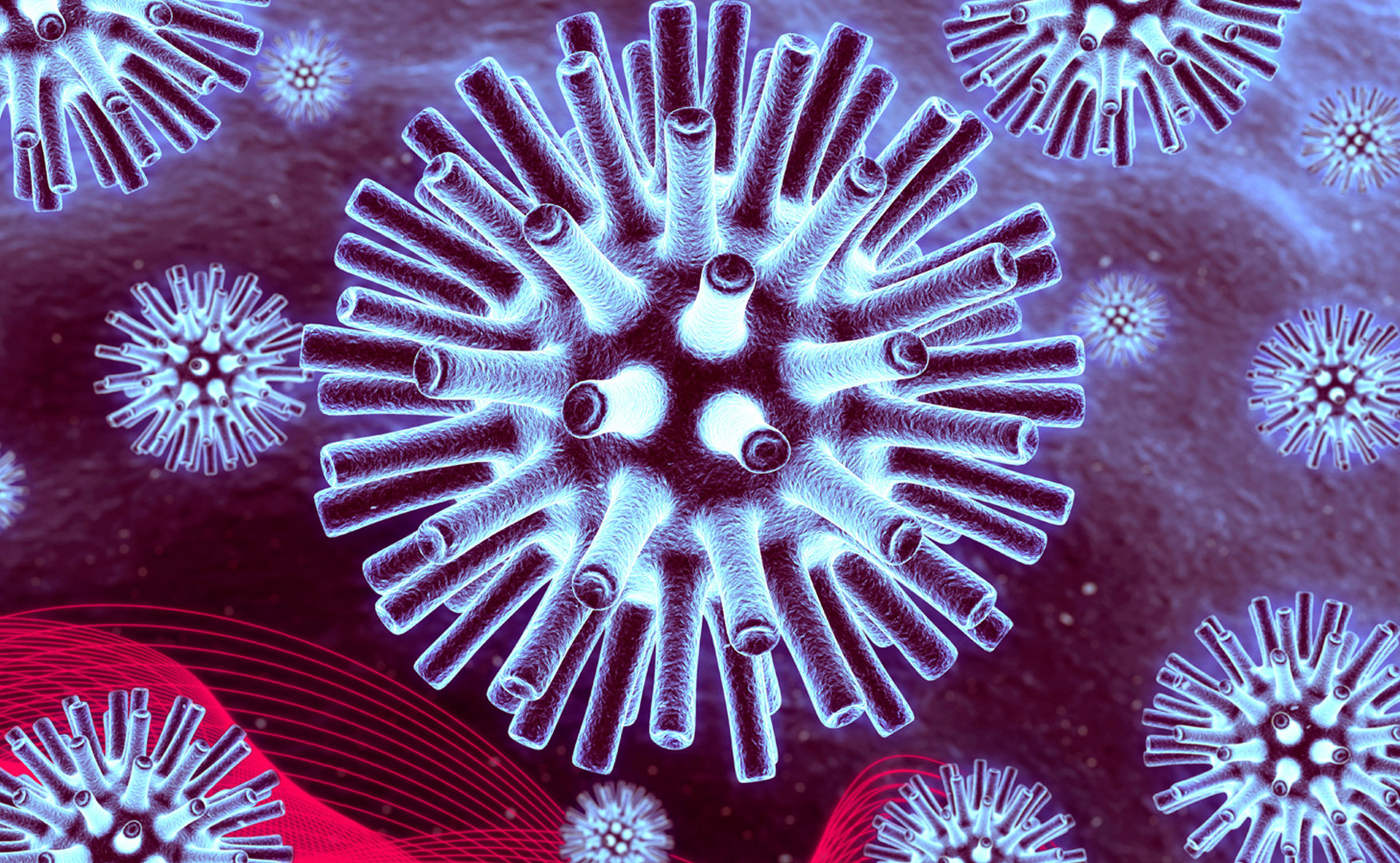
Pills the size of molecules to seek and destroy tumors. Miniscule robots performing surgery inside patients with a precision never before achieved. Nanobots, a billionth of a meter across, fixing mutations in DNA, or repairing neurons in your brain. Such are the possibilities as medicine enters the nano-era.
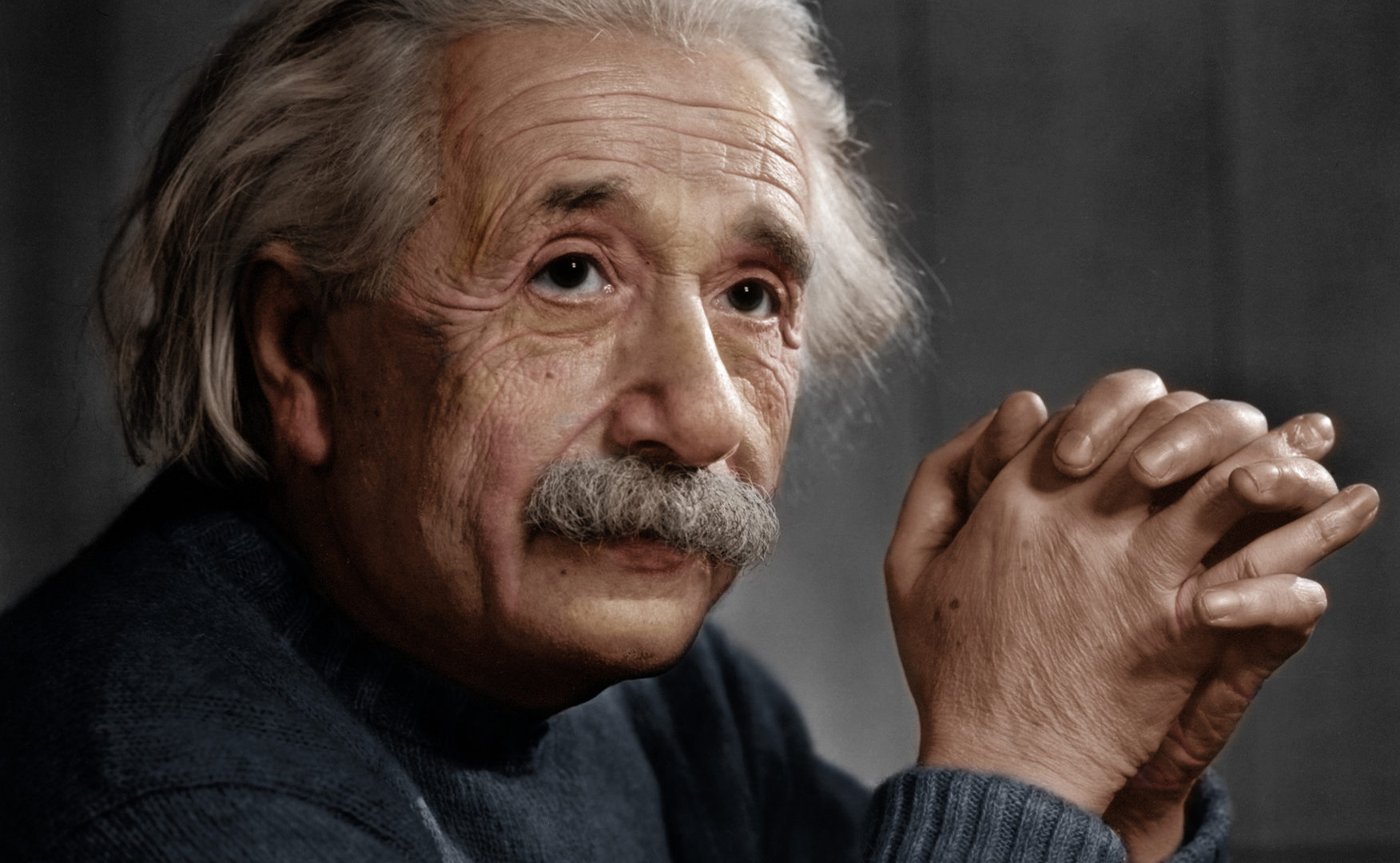
What made Albert Einstein one of the greatest scientific geniuses the world has ever known? His scientific breakthroughs revolutionized the way we understand the universe.
“The infinite! No other question has ever moved so profoundly the spirit of man,” said David Hilbert, one of the most influential mathematicians of the 19th century. A subject extensively studied by philosophers, mathematicians, and more recently, physicists and cosmologists, infinity still stands as an enigma of the intellectual world.

The World Science Festival’s Pioneers in Science program gives high school students from around the globe rare and intimate access to some of the world’s most renowned scientists in a …
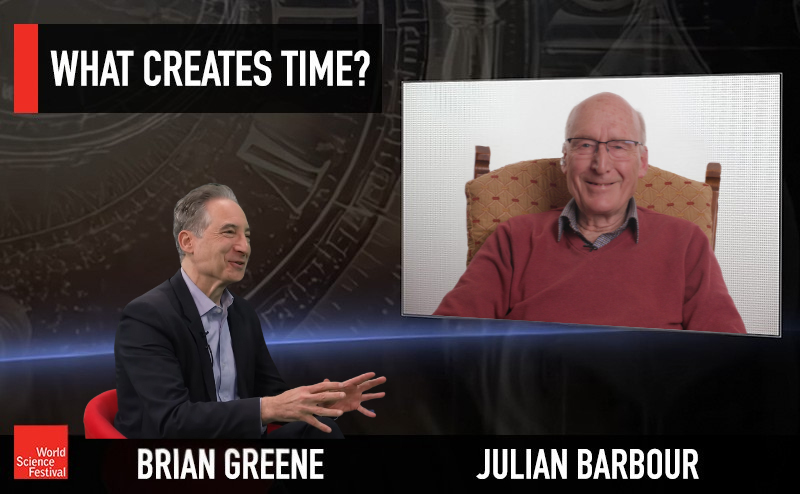
Scientist and author Julian Barbour joins Brian Greene to explain his heterodox views on the nature of time, entropy, and cosmic origins. This program is part of the Big Ideas …
It’s an old question: What is consciousness? Today, sophisticated brain imaging technologies, clinical studies, as well as the newfound ability to listen to the whisper of even an individual nerve cell, are bringing scientists closer than ever to the neurobiological basis of consciousness.