Search Icon




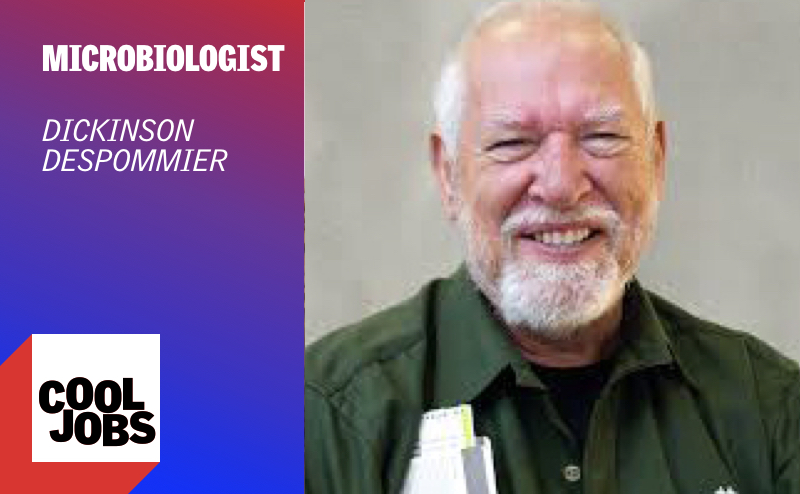
Medical ecologist Dickson Despommier describes the Vertical Farm Project, a movement to promote urban renewal while producing a sustainable food supply. The project is a result of his years studying …
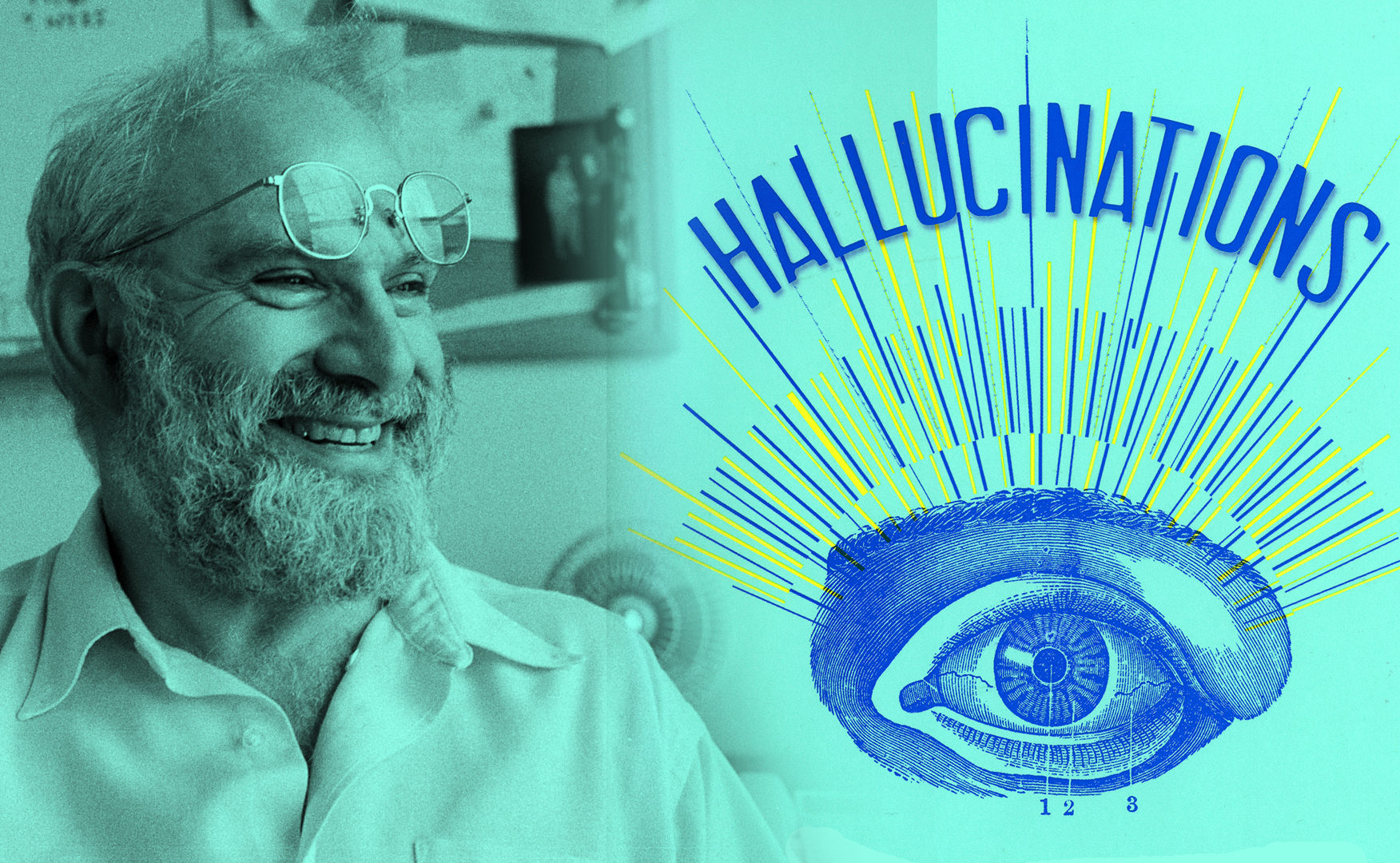
Famed neurologist Oliver Sacks joined award-winning journalist John Hockenberry to discuss Sacks’ latest book, which explores the bewitching and surreal world of hallucinations.
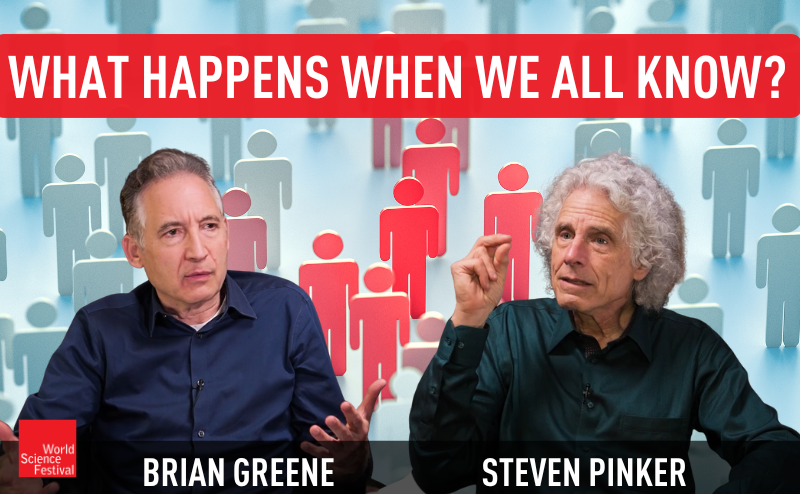
How do humans understand each other, cooperate, and build civilizations? Brian Greene sits down with Harvard cognitive scientist Steven Pinker — author of the newly released When Everyone Knows That Everybody Knows — for …

How much brain do you need to be smart? Bees and ants perform marvels as colonies, though each insect has barely any brain. And plants—with no brain at all—exhibit behaviors …

The notion of a “tortured genius” or “mad scientist” may be more than a romantic aberration. Research shows that bipolar disorder and schizophrenia correlate with high creativity and intelligence, raising tantalizing questions: What role does environment play in the path to mental illness?
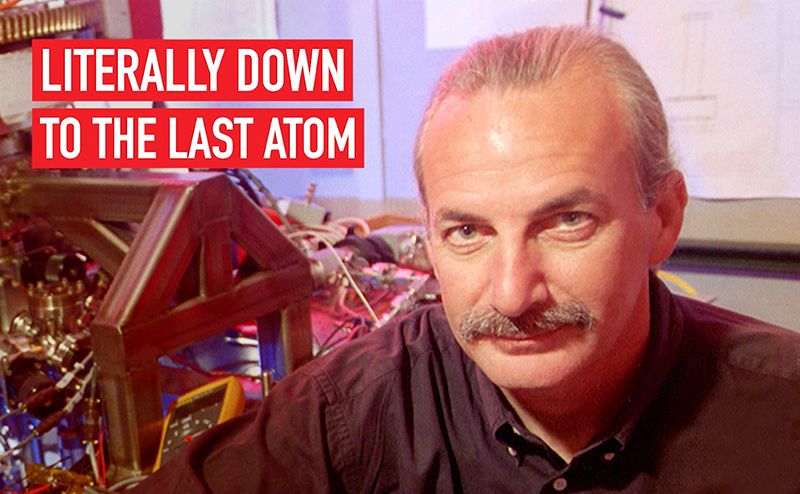
Do your friends call you a control freak? Well then, you’re in good company. Learn more about the #scientist known as the “Maestro of the Miniscule” who used atom manipulation …