Search Icon




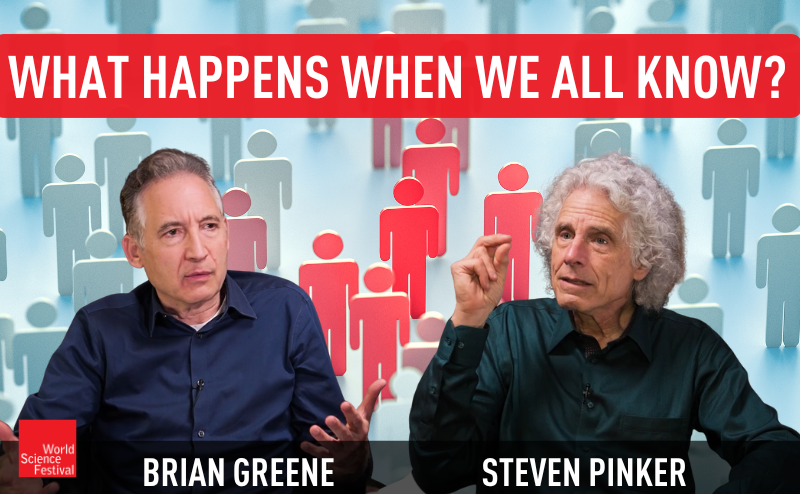
How do humans understand each other, cooperate, and build civilizations? Brian Greene sits down with Harvard cognitive scientist Steven Pinker — author of the newly released When Everyone Knows That Everybody Knows — for …

How much brain do you need to be smart? Bees and ants perform marvels as colonies, though each insect has barely any brain. And plants—with no brain at all—exhibit behaviors …
The notion of a “tortured genius” or “mad scientist” may be more than a romantic aberration. Research shows that bipolar disorder and schizophrenia correlate with high creativity and intelligence, raising tantalizing questions: What role does environment play in the path to mental illness?
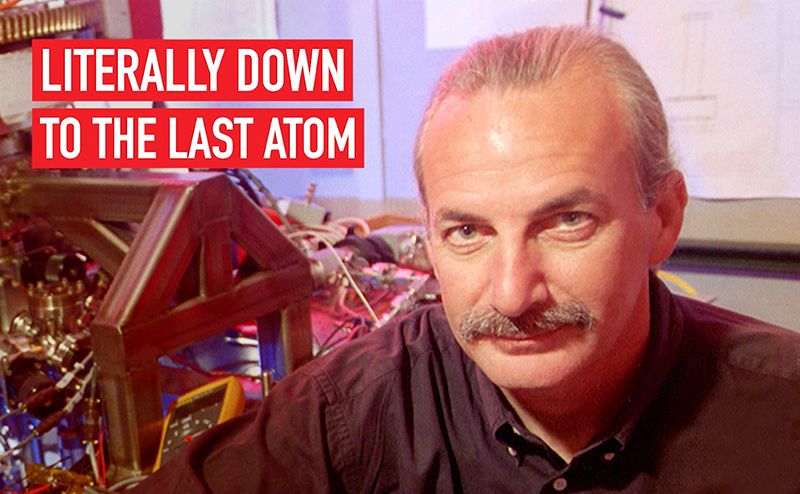
Do your friends call you a control freak? Well then, you’re in good company. Learn more about the #scientist known as the “Maestro of the Miniscule” who used atom manipulation …
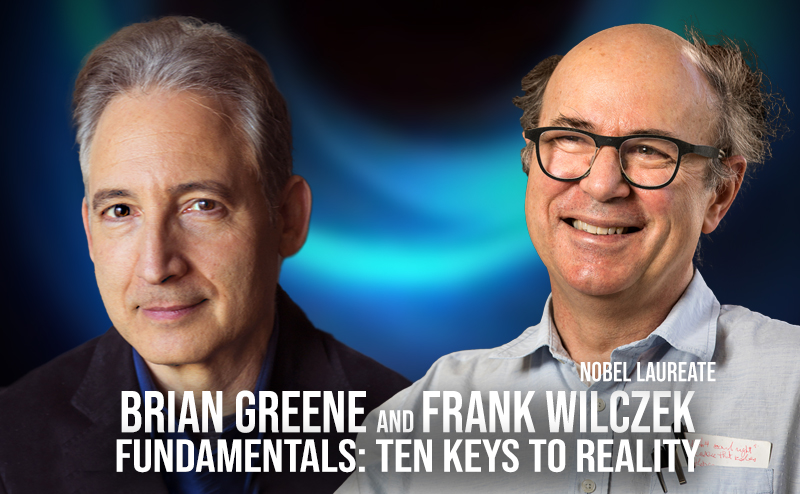
Brian Greene and Nobel Laureate Frank Wilczek discuss quantum mechanics, dark matter, cosmology, consciousness, and Wilczek’s new book, “Fundamentals: Ten Keys to Reality.” This program is part of the Big …
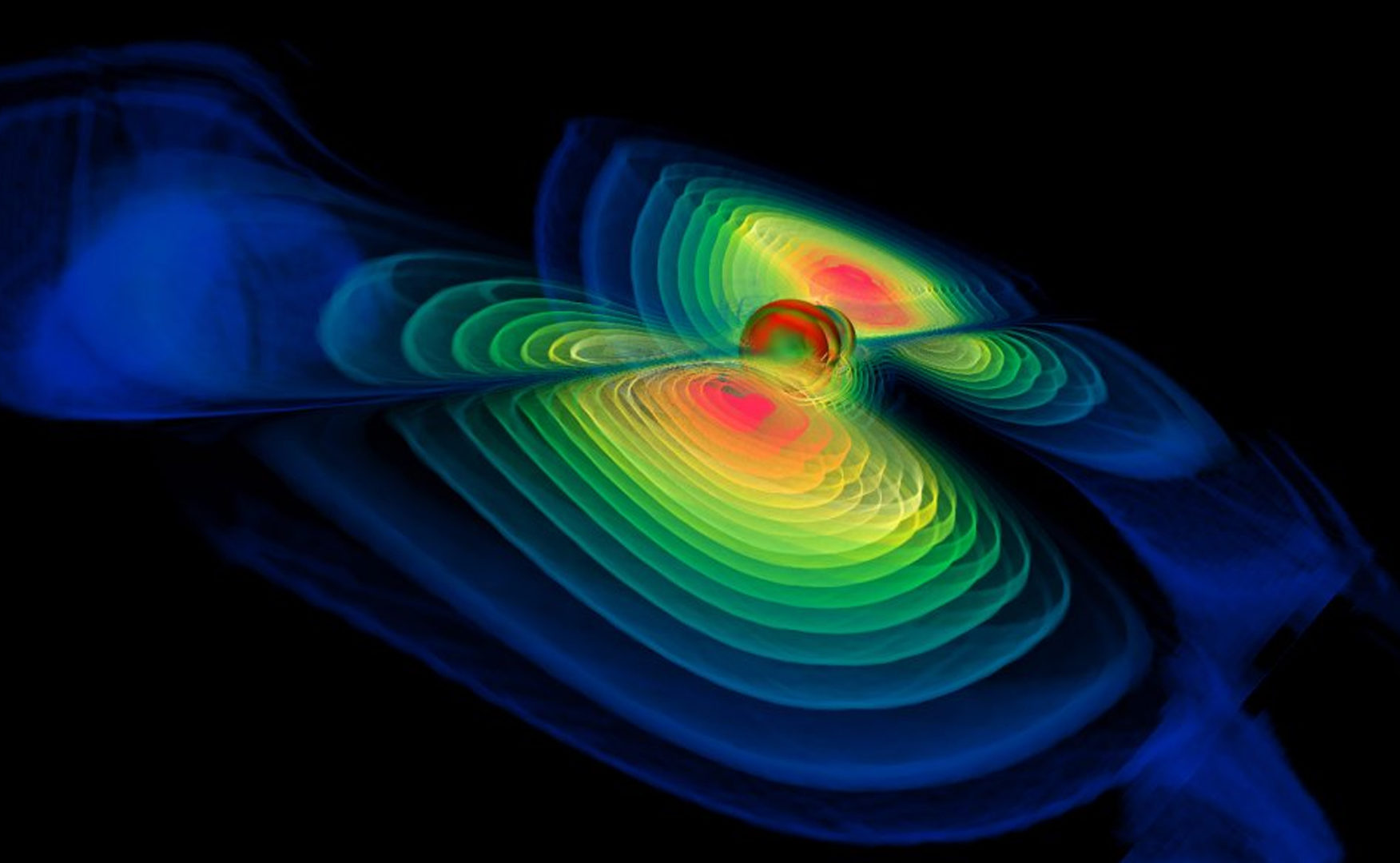
Marcia Bartusiak joins Kip Thorne, Laura Danly and Rainer Weiss to demonstrate how two observatories on opposite sides of the country, called LIGO (Laser Interferometer Gravitational-wave Observatory), may open a new window on observing the cosmos—one based not in light but in gravity.