Search Icon




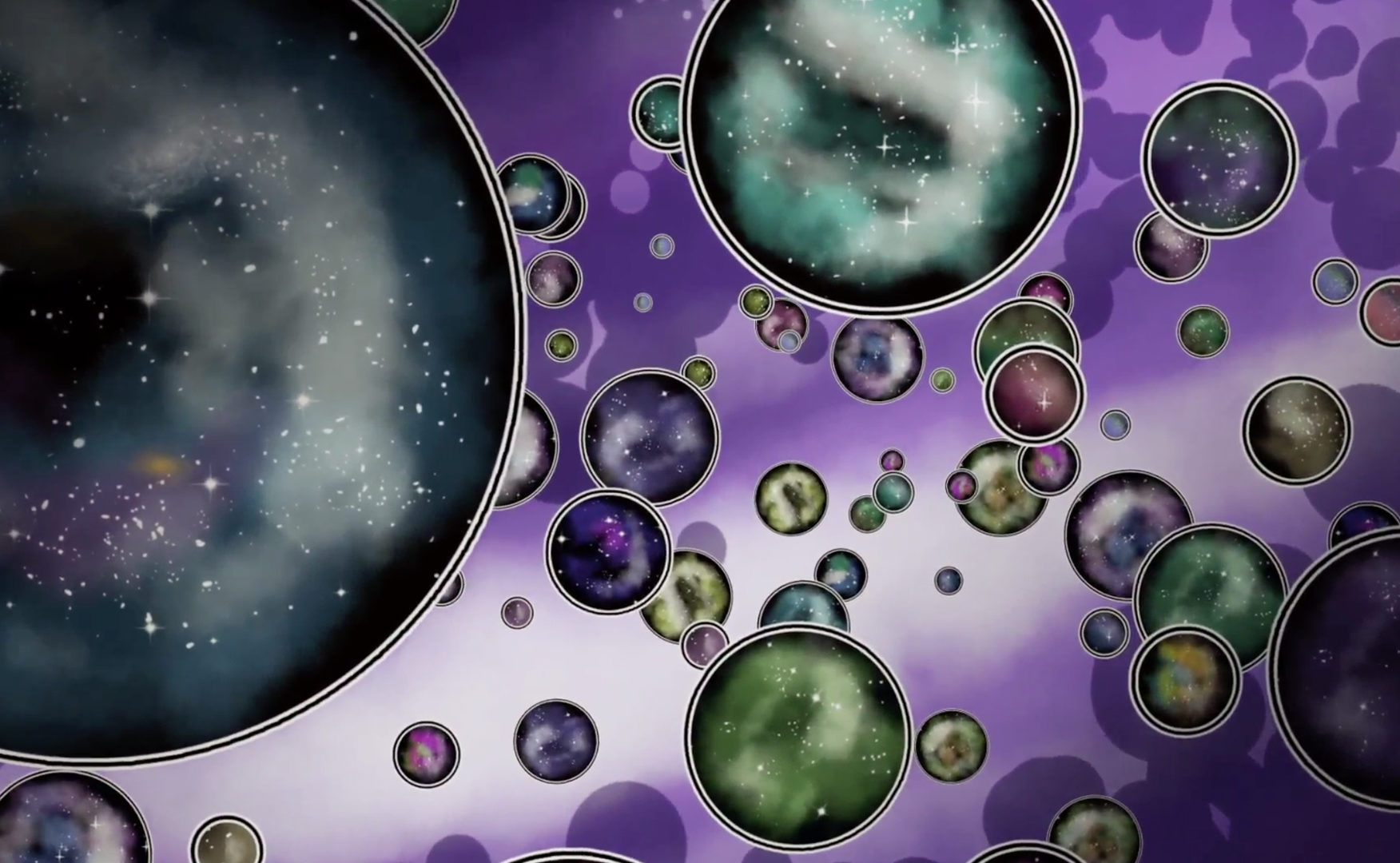
The inflationary theory of cosmology, an enduring theory about our universe and how it was formed, explains that just after the Big Bang, the universe went through a period of rapid expansion. This theory has been critical to understanding what’s going on in the cosmos today.
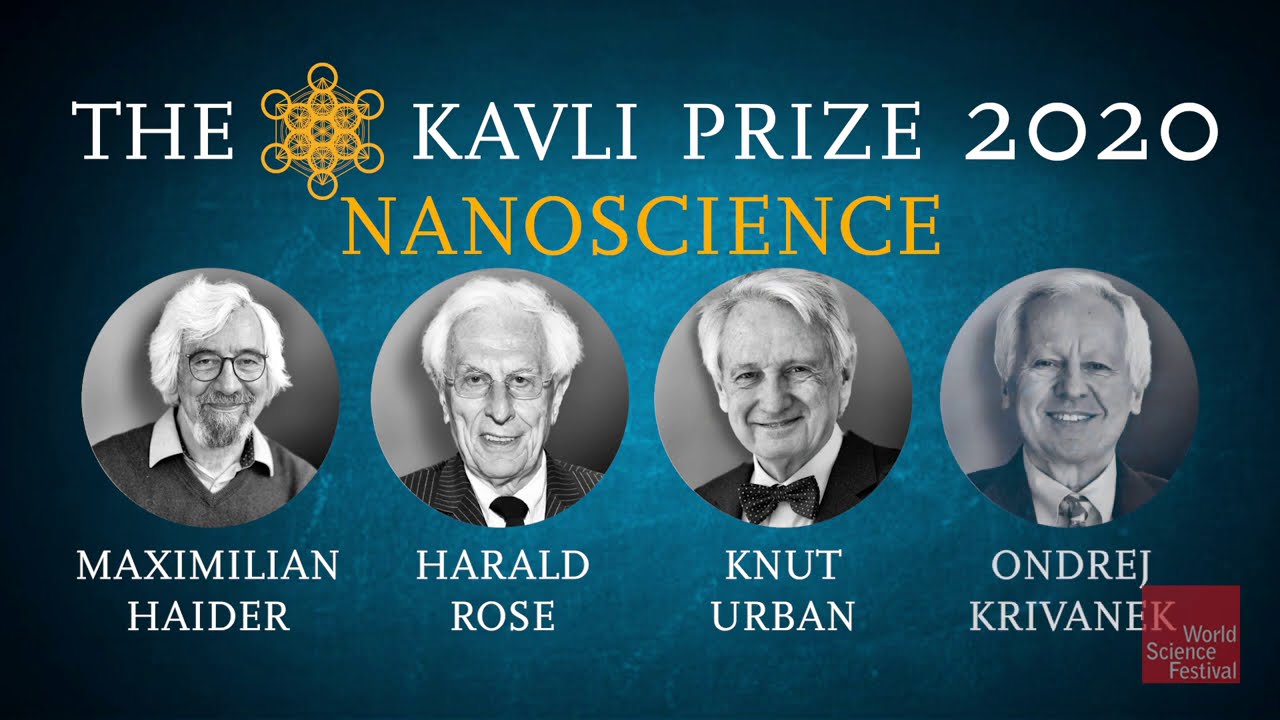
The first electron microscopes enabled scientists to finally view the nanoworld. But because of limitations in the microscope’s lenses, achieving sharp images of individual atoms was not possible. For 60 …

Alien life has been a mainstay and fascination of science fiction, but who–or what–might actually be out there: biological life, artificial intelligence, or some combination of both? It took only …

Smashing sledgehammers, ducking spike-covered pendulums, tug or war matches in socks are all part of the physics classes of @BASISIndBK Joshua Winters and @NYCSchools Yenmin Young. Science teachers prepare tomorrow’s …

IBM’s Watson has the ability to make a diagnosis. Apps can track and monitor patient emergencies. Our phones may soon be our medical advisers. Preventive and diagnostic medicine is on the cusp of an AI revolution that will no doubt save lives.
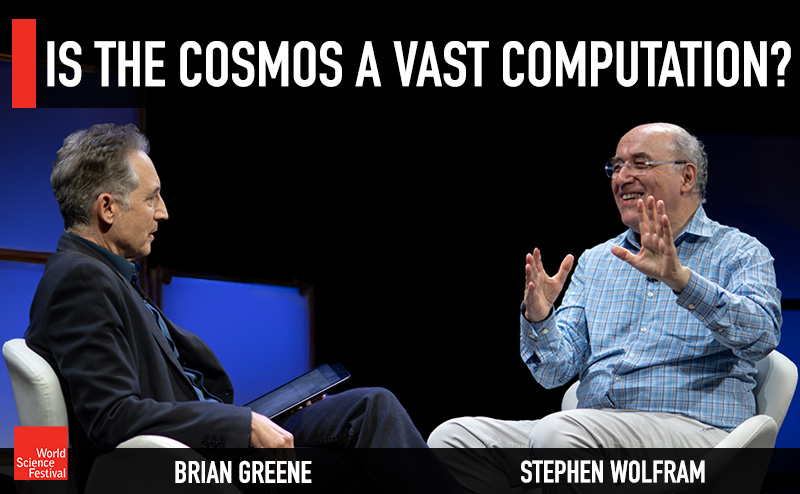
Pioneering computer scientist and physicist Stephen Wolfram joins Brian Greene to discuss the interplay between physical law, computation, and artificial intelligence.