Search Icon



The World Science Festival’s Pioneers in Science program gives high school students from around the globe rare and intimate access to some of the world’s most renowned scientists in a …

Today, there are robots that make art, move like dancers, tell stories, and even help human chefs devise unique recipes. But is there ingenuity in silico? Can computers be creative? …
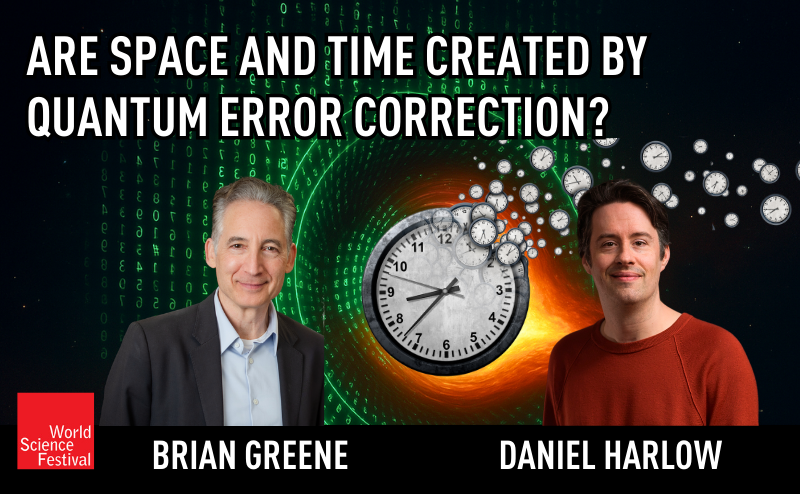
MIT physicist Daniel Harlow joins Brian Greene to explore black holes, holography, and the surprising connection between spacetime and algorithms that perform quantum error correction. This program is part of …
When no one is looking, a particle has near limitless potential: it can be nearly anywhere. But measure it, and the particle snaps to one position. How do subatomic objects shed their quantum weirdness?
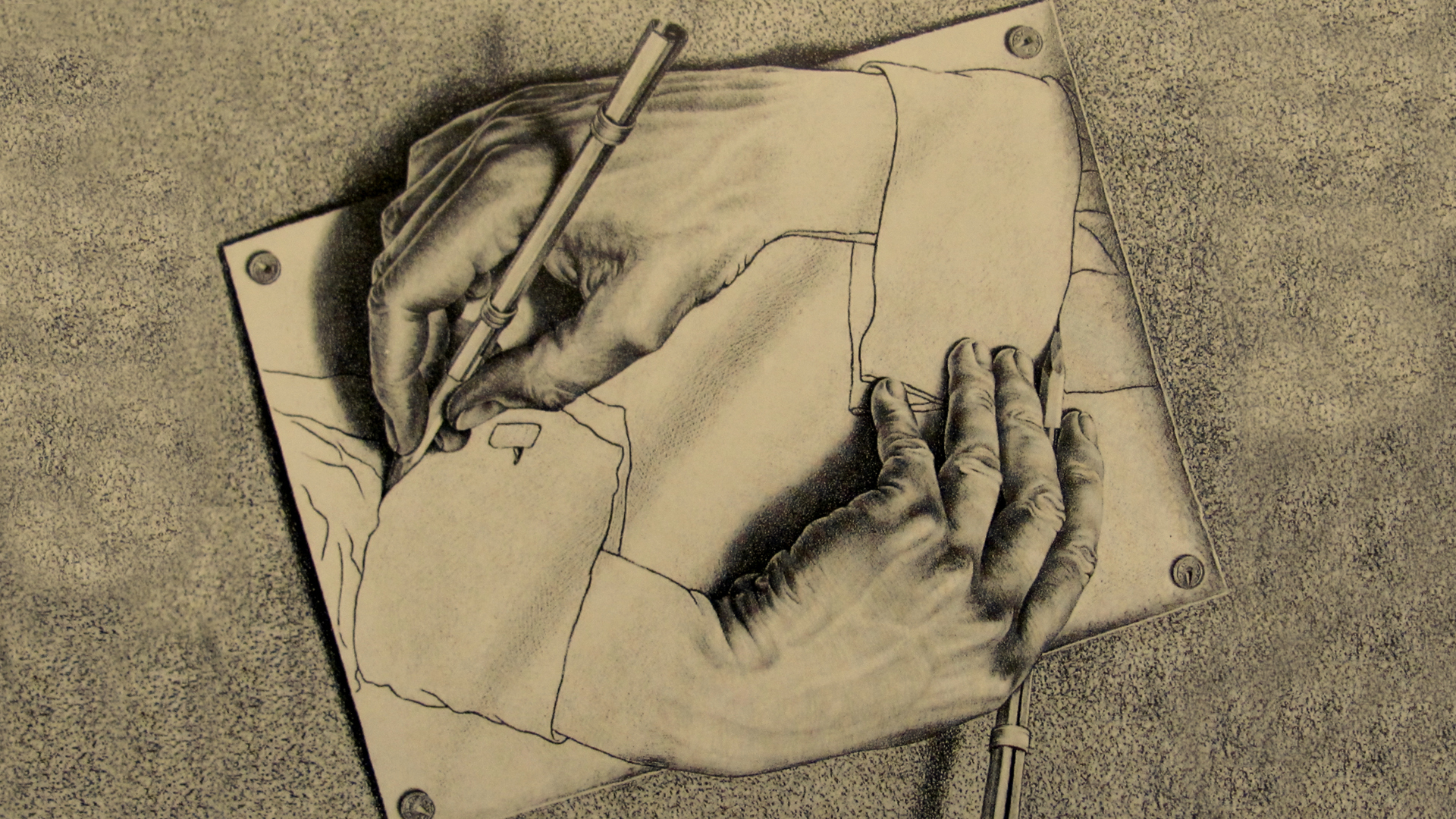
This statement is false. Think about it, and it makes your head hurt. If it’s true, it’s false. If it’s false, it’s true. In 1931, Austrian logician Kurt Gödel shocked the worlds of mathematics and philosophy by establishing that such statements are far more than a quirky turn of language: he showed that there are mathematical truths which simply can’t be proven.
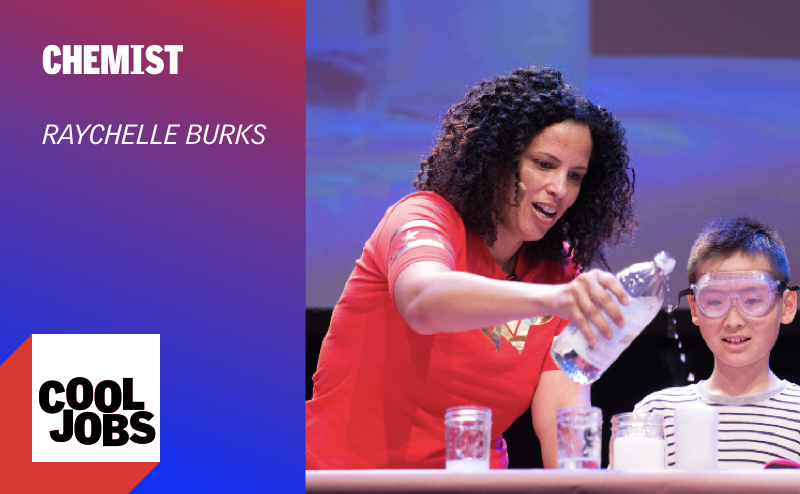
Chemist Raychelle Burks is on the front lines of forensic science, developing ways to detect drugs and explosives. Episode filmed live at the 2016 World Science Festival in New York …