Search Icon



Immanuel Kant, who coined the term genius in the 1700s, defined it as the rare capacity to independently understand concepts that would normally have to be taught by another person. Since then, the spectrum of abilities that we call genius has widened, but pivotal questions remain: What exactly is genius?
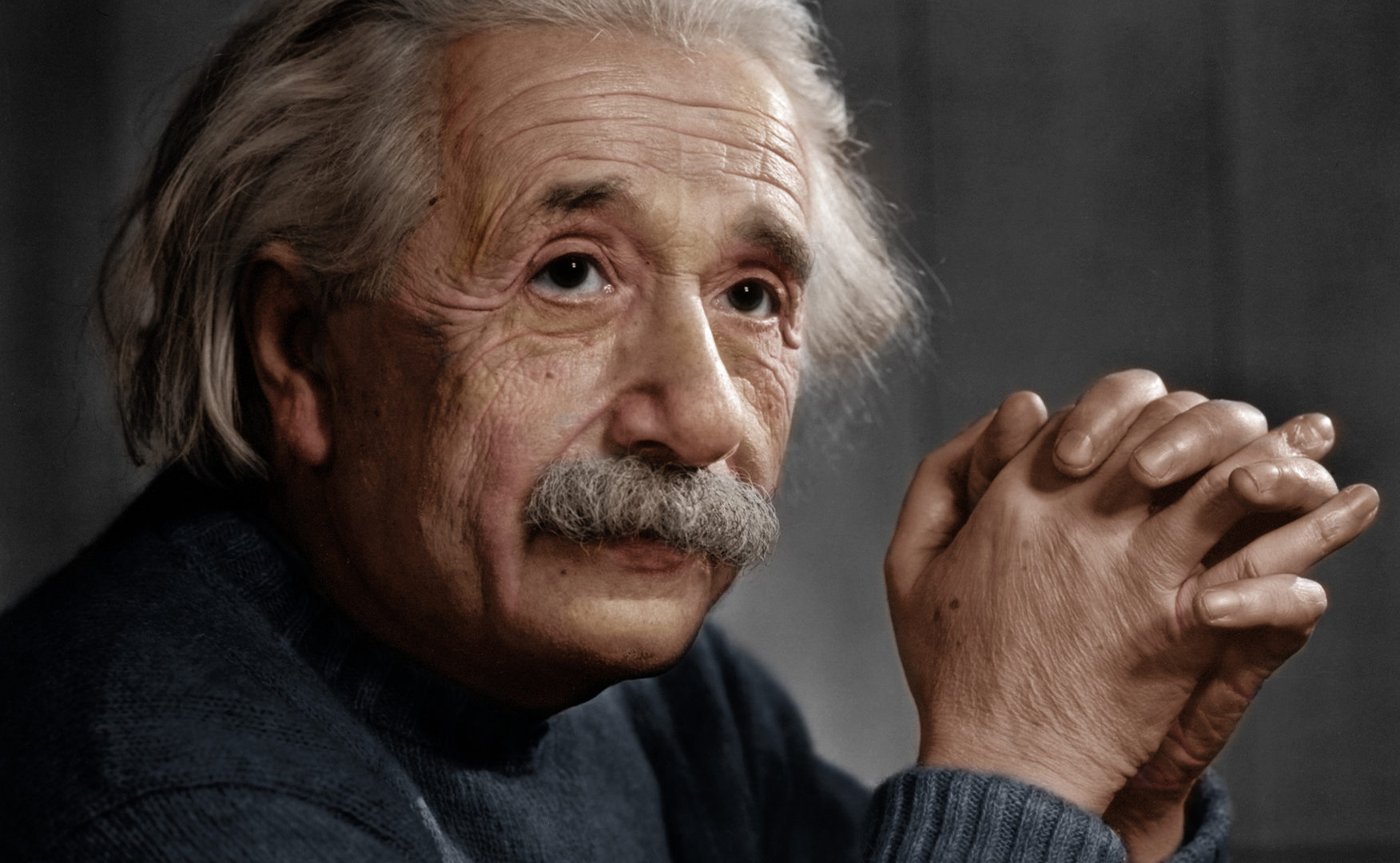
What made Albert Einstein one of the greatest scientific geniuses the world has ever known? His scientific breakthroughs revolutionized the way we understand the universe.
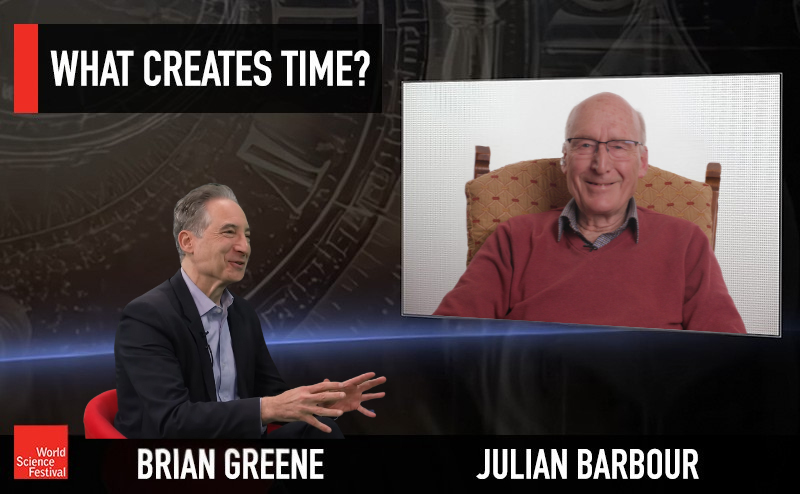
Scientist and author Julian Barbour joins Brian Greene to explain his heterodox views on the nature of time, entropy, and cosmic origins. This program is part of the Big Ideas …
A self-driving car has a split second to decide whether to turn into oncoming traffic or hit a child who has lost control of her bicycle. An autonomous drone needs to decide whether to risk the lives of busload of civilians or lose a long-sought terrorist. How does a machine make an ethical decision?
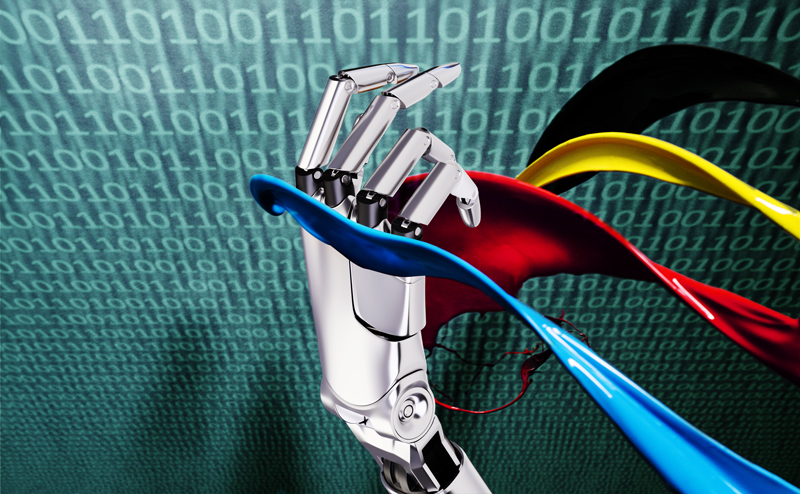
Today, there are robots that make art, move like dancers, tell stories, and even help human chefs devise unique recipes. But is there ingenuity in silico? Can computers be creative? …
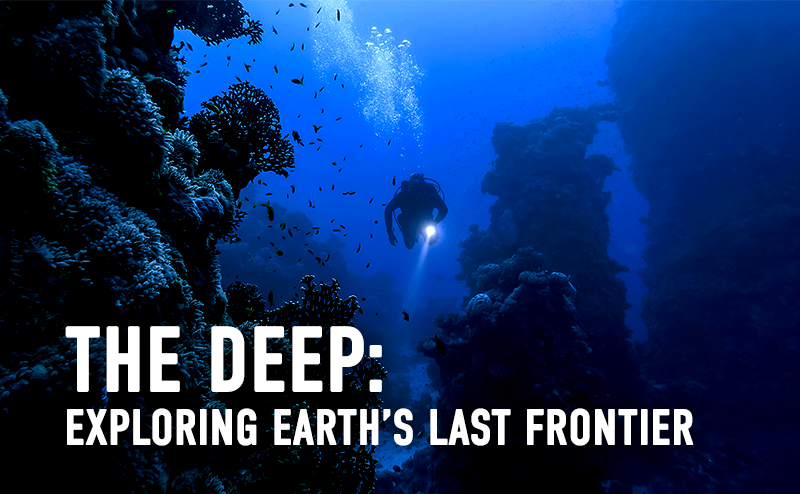
For centuries, humans believed the deep sea was lifeless, but new technologies have revealed that this previously hidden realm is home to rich ecosystems, mineral treasures, and an astounding kaleidoscope …