Search Icon




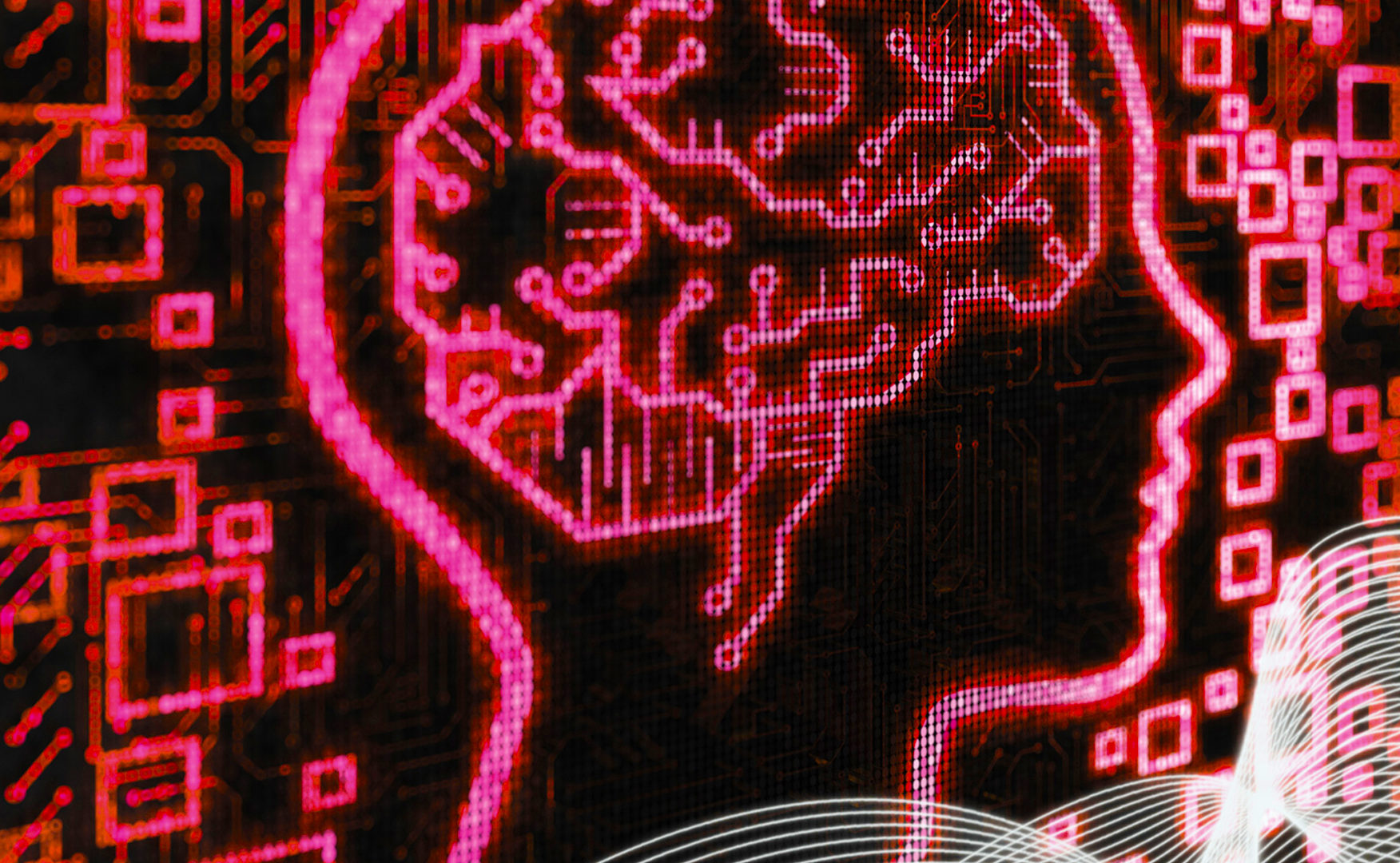
Is the human brain an elaborate organic computer? Since the time of the earliest electronic computers, some have imagined that with sufficiently robust memory, processing speed, and programming, a functioning human brain can be replicated in silicon.
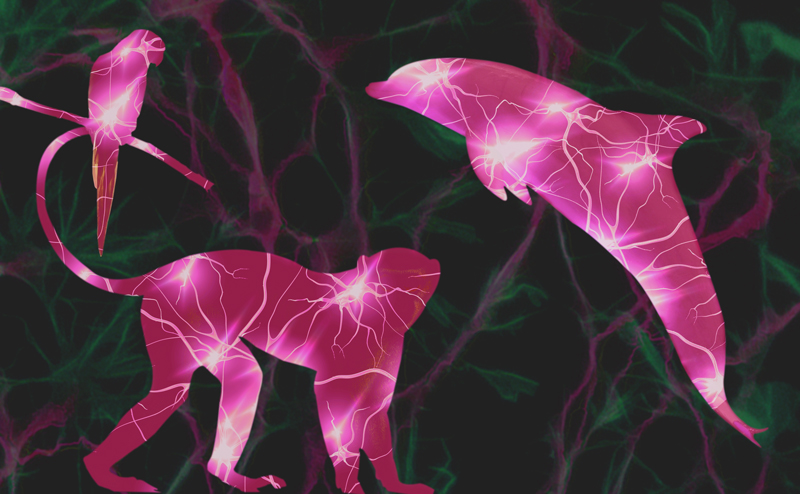
Intelligence was once thought to be uniquely human. But researchers have discovered astonishing cognitive abilities in many other species—not just our close cousins like chimps, or fellow mammals like dolphins—but …

Richard Davidson, Karen Armstrong, and Kate Stockly, join Brian Greene to discuss the psychological and physiological impacts of sacred experiences, and how technology may make such experiences more readily available. …
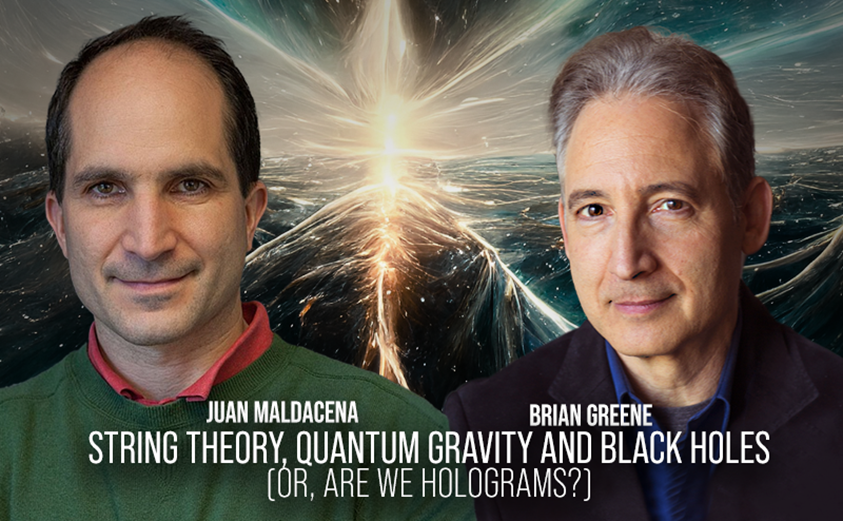
Join Brian Greene and Juan Maldacena as they explore a wealth of developments connecting black holes, string theory, quantum gravity, quantum entangelment, wormholes, and the holographic principle. This program is …

How much brain do you need to be smart? Bees and ants perform marvels as colonies, though each insect has barely any brain. And plants—with no brain at all—exhibit behaviors …

For this year’s inaugural address, “The Future of Big Science,” Nobel laureate and physicist Steven Weinberg considers the future of fundamental physics, especially as funding for basic research is reduced. Weinberg will explore physics’ small origins, starting with the discovery of the atomic nucleus 100 years ago by a single scientist.