Search Icon




In 1935, Albert Einstein and two colleagues published a landmark paper revealing that quantum mechanics allows widely separated objects to influence one another, even though nothing travels between them. Einstein called it spooky and rejected the idea, arguing instead that it exposed a major deficiency in the quantum theory.
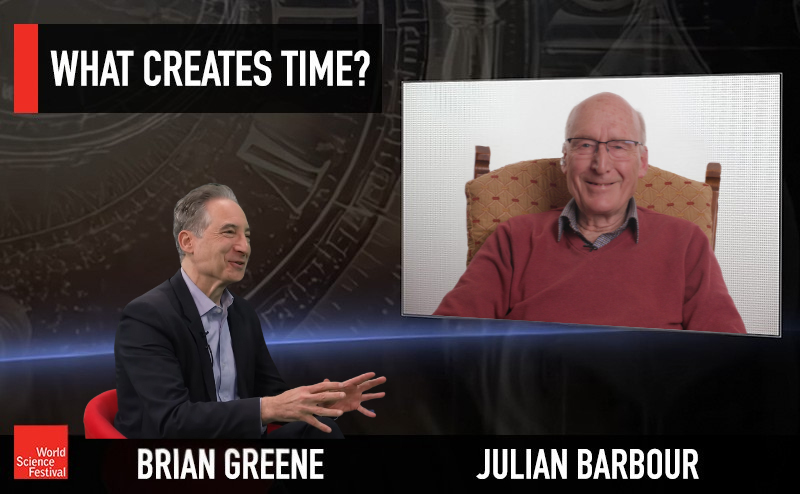
Scientist and author Julian Barbour joins Brian Greene to explain his heterodox views on the nature of time, entropy, and cosmic origins. This program is part of the Big Ideas …
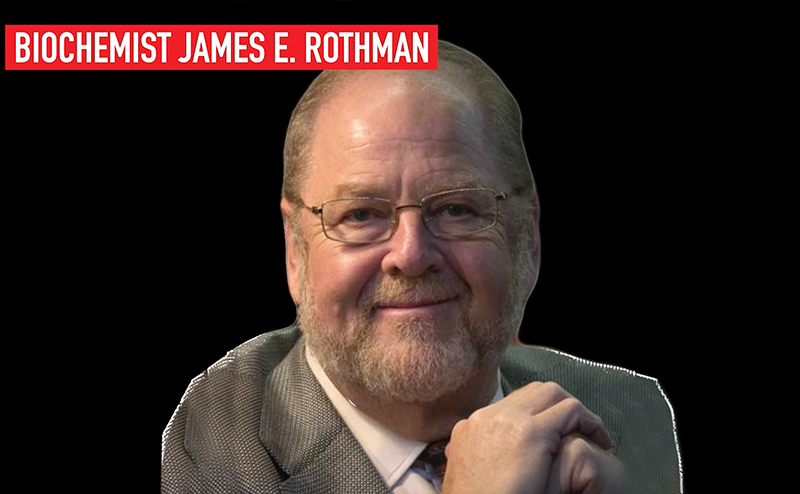
Have you ever wondered how your stomach knows when you’re full or how your eyes know when to release tears? 😭Your body is a message monster continually #communicating in rapid-fire …

For all their historical tensions, scientists and religious scholars from a wide variety of faiths ponder many similar questions—how did the universe begin? How might it end? What is the origin of matter, energy, and life?

Proposed a century ago to better explain the mind-bending behavior of the smallest constituents of the universe, quantum theory has implications far beyond the atom. This rich set of laws has applications both practical and extraordinary.
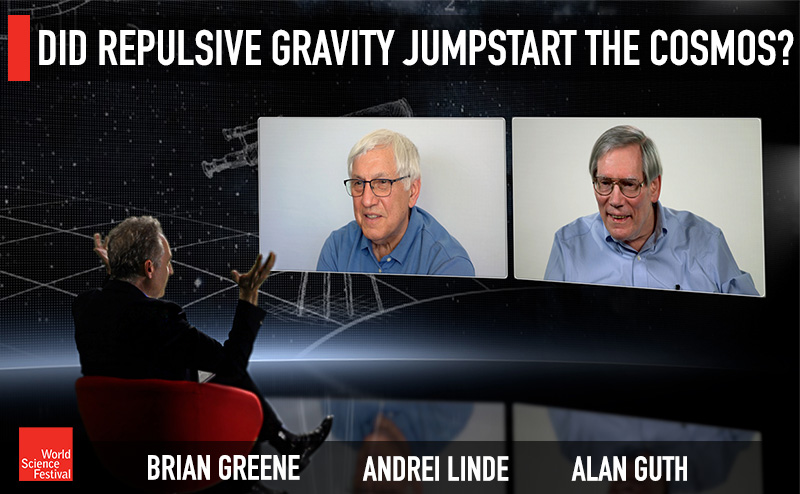
For decades, inflation has been the dominant cosmological scenario, but recently the theory has been subject to competition and critique. Two renowned pioneers of inflation — Alan Guth and Andrei …