Search Icon



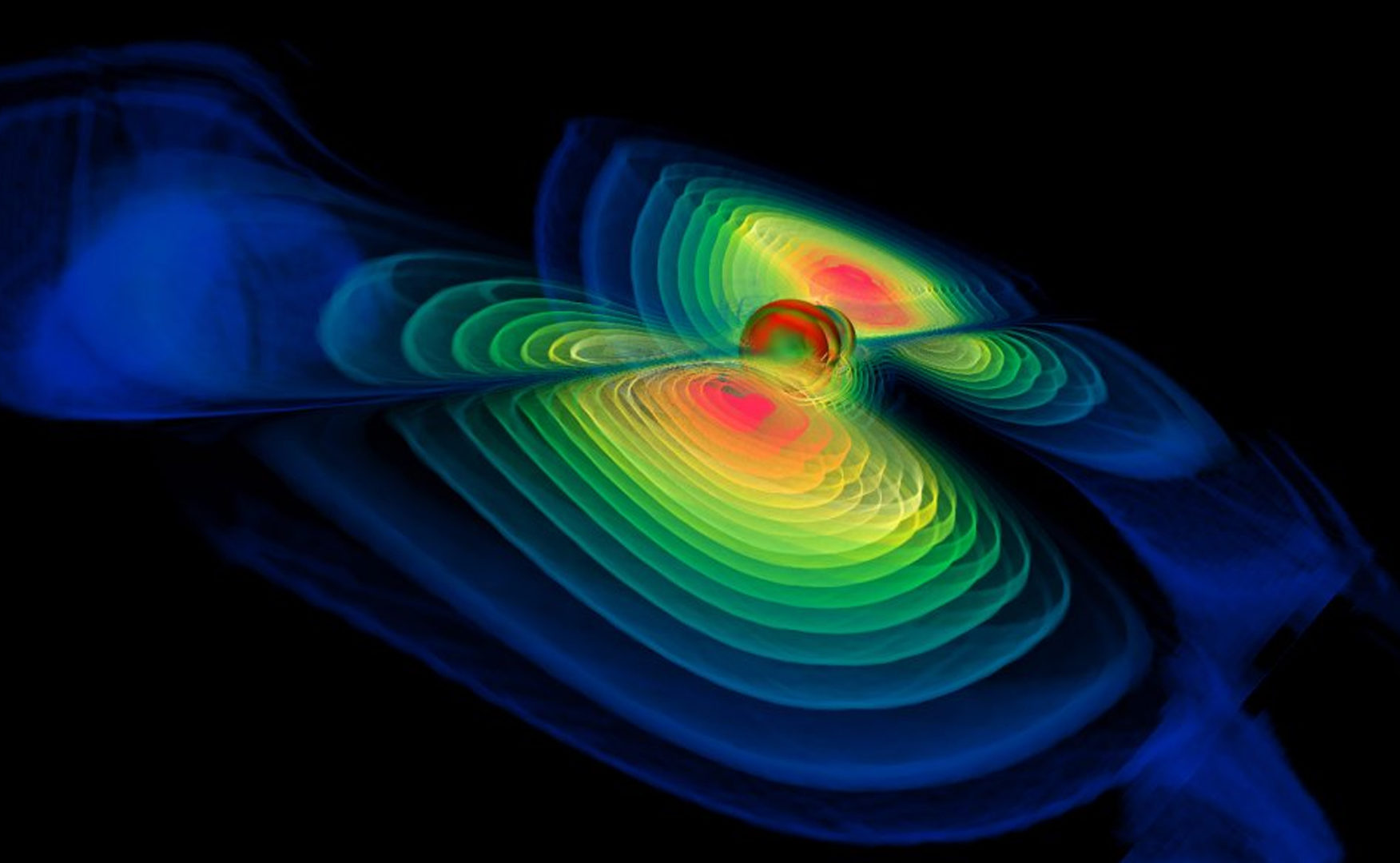
Marcia Bartusiak joins Kip Thorne, Laura Danly and Rainer Weiss to demonstrate how two observatories on opposite sides of the country, called LIGO (Laser Interferometer Gravitational-wave Observatory), may open a new window on observing the cosmos—one based not in light but in gravity.
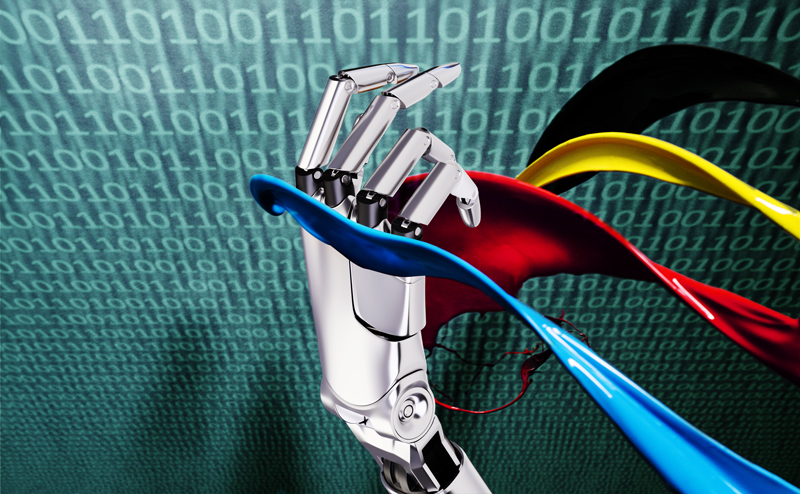
Today, there are robots that make art, move like dancers, tell stories, and even help human chefs devise unique recipes. But is there ingenuity in silico? Can computers be creative? …
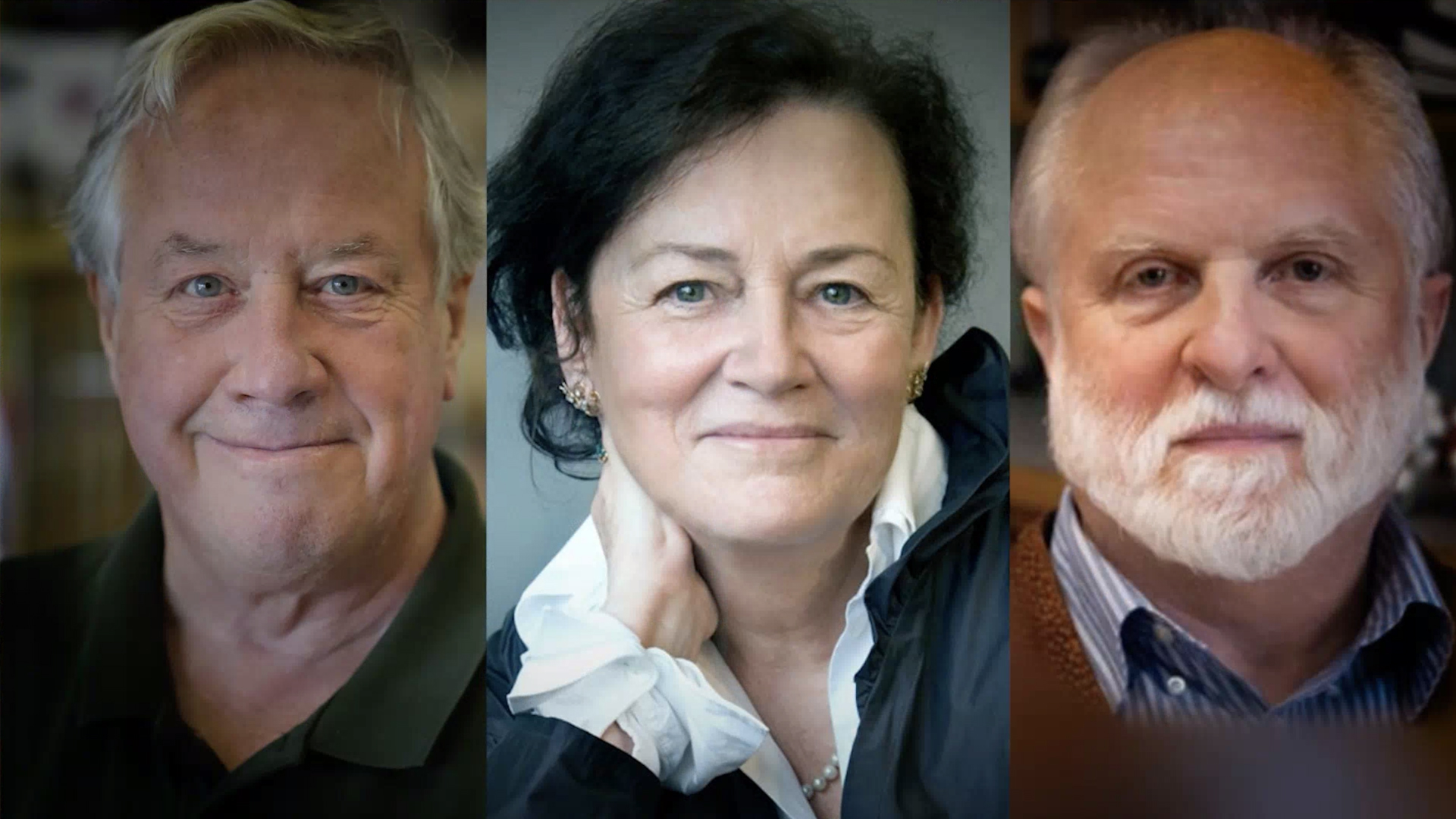
The Winners Of The 2018 Kavli Prize In Neuroscience are James Hudspeth, Robert Fettiplace and Christine Petit for their groundbreaking research unraveling the mysteries of how we hear. 2018 marks …

Are you drawn to Impressionism? Or more toward 3D computer art? Beauty is in the eye of the beholder. Or is it? Contrary to the old adage, there may be universal biological principles that drive art’s appeal, and its capacity to engage our brains and our interest.

“Move fast and break things,” went the Silicon Valley rallying cry, and for a long time, we cheered along. Big Tech, in its infancy, spouted noble goals of bringing us …
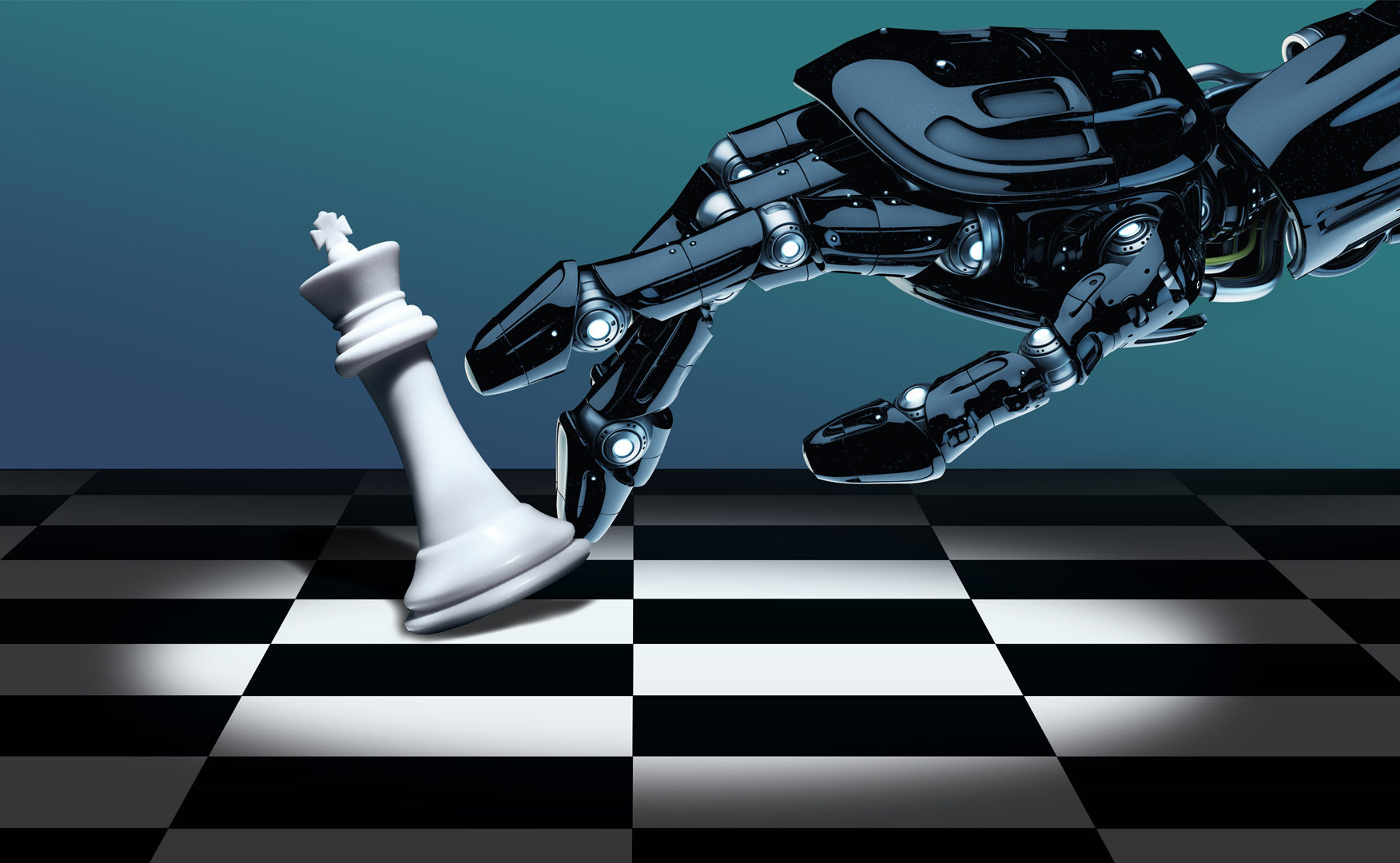
A self-driving car has a split second to decide whether to turn into oncoming traffic or hit a child who has lost control of her bicycle. An autonomous drone needs to decide whether to risk the lives of busload of civilians or lose a long-sought terrorist. How does a machine make an ethical decision?