Search Icon




The mysteries of dark matter and dark energy may be evidence that we don’t fully understand the force of gravity. But when it comes to a force that has been studied mathematically and probed observationally for hundreds of years, what do we still need to learn?
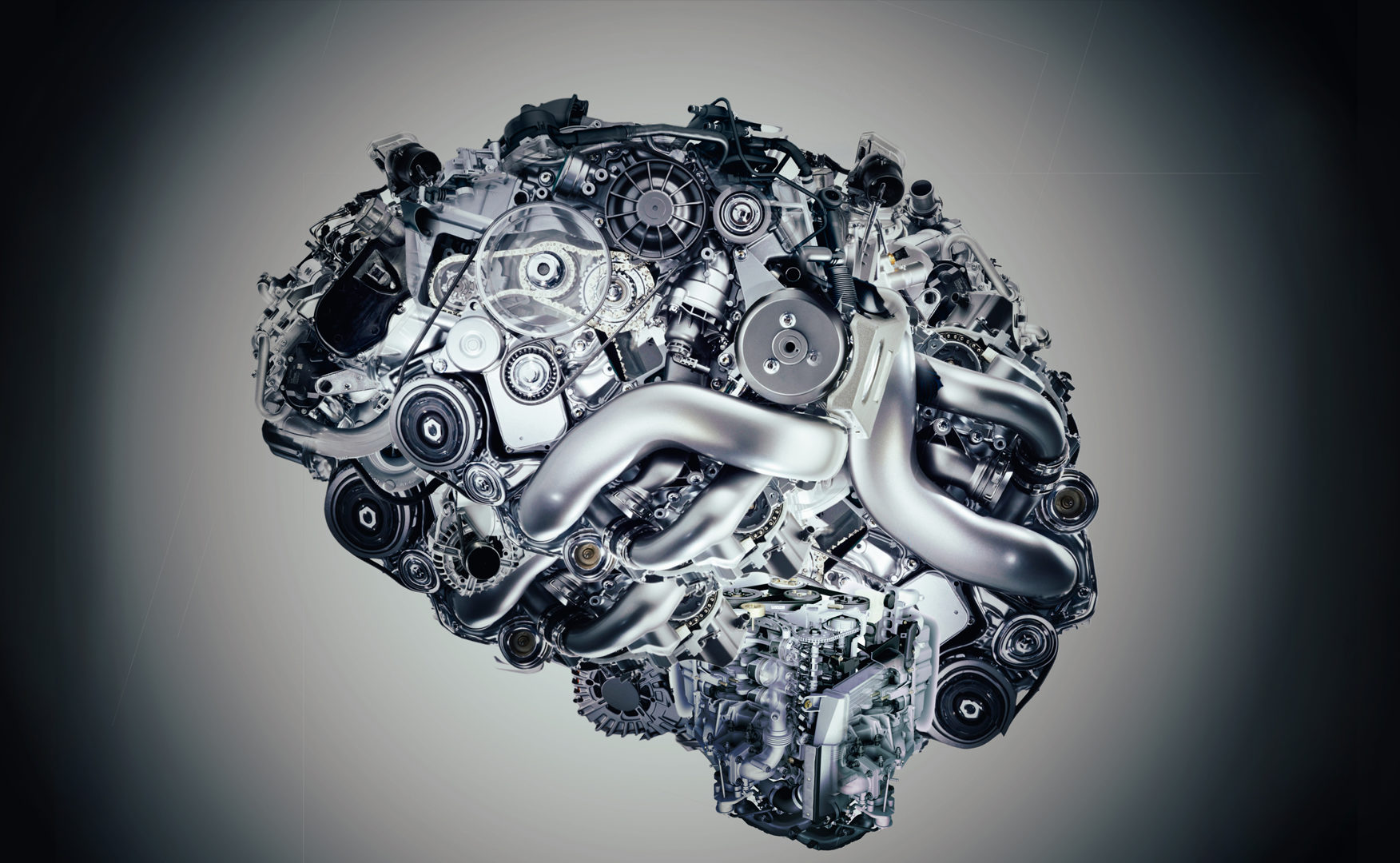
In recent years, machines have grown increasingly capable of listening, communicating, and learning—transforming the way they collaborate with us, and significantly impacting our economy, health, and daily routines. Who, or what, are these thinking machines? As we teach them to become more sophisticated, how will they complement our lives?
Frank Wilczek, Nobel Laureate and Templeton Prize winner, has played a leading role in developing the most refined quantum mechanical understanding of the microworld and in proposing solutions to a …
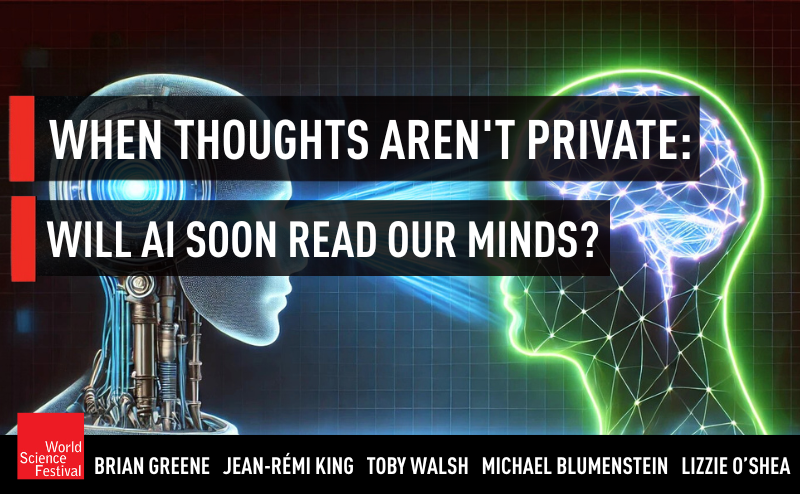
Leading researchers join Brian Greene to explore how AI is pushing mind reading technologies rapidly forward. This program is part of the Big Ideas series, supported by the John Templeton …

Are you drawn to Impressionism? Or more toward 3D computer art? Beauty is in the eye of the beholder. Or is it? Contrary to the old adage, there may be universal biological principles that drive art’s appeal, and its capacity to engage our brains and our interest.
What are scientists looking for when searching for alien life? A lot, it turns out: the search for extraterrestrials requires the help from astronomers, planetary scientists, chemists, computer scientists, and geneticists, just to name a few. But are we barking up the wrong carbon-based tree?