Search Icon




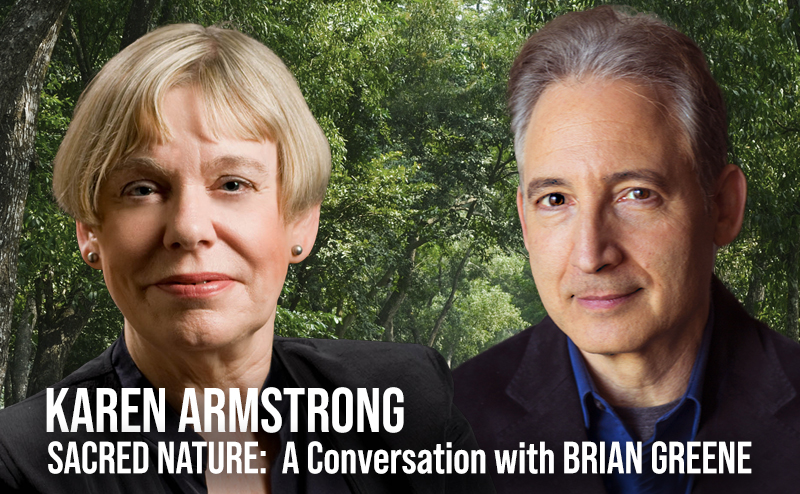
Bestselling author and religious historian Karen Armstrong joined Brian Greene for a conversation exploring humankind’s evolving relationship with the Earth, life, and the cosmos. To save ourselves and the planet, …
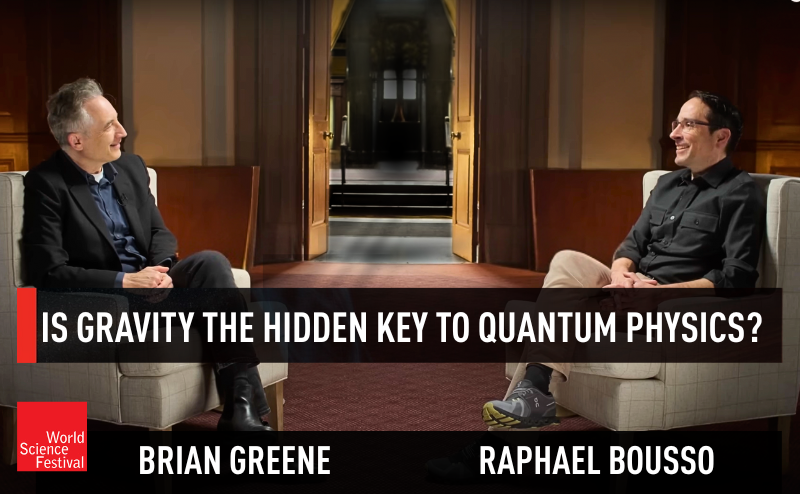
Leading physicist Raphael Bousso joins Brian Greene to explore the almost unreasonable capacity of our theories of gravity to give deep insights into quantum physics. This program is part of …
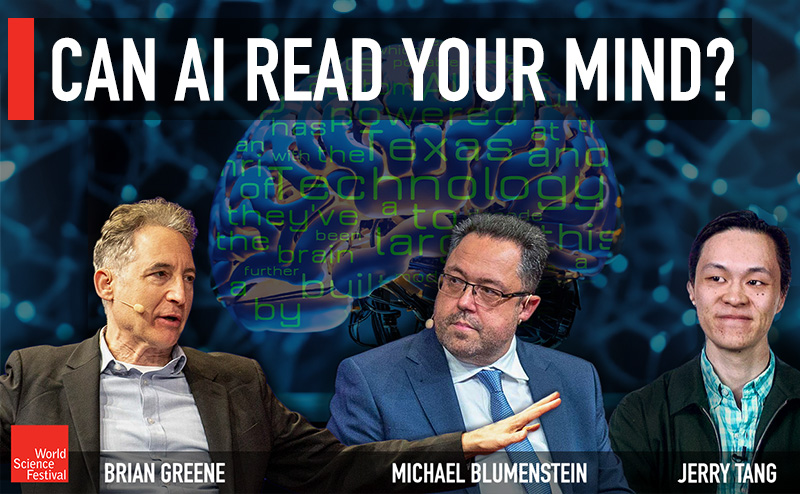
By identifying patterns in neural firings, non-invasive AI systems are learning to decode human thought and translate the result into language. Leading researchers Michael Blumenstein and Jerry Tang join Brian …
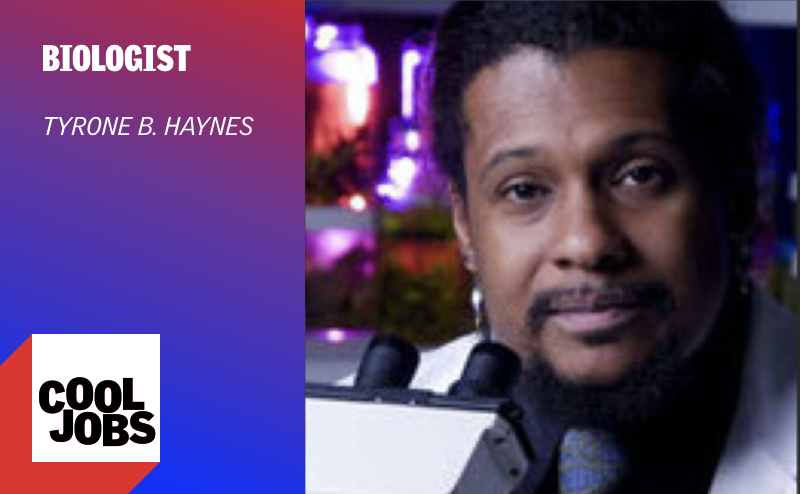
Amphibian biologist Tyrone Hayes’s boyhood love of frogs turned into a career of adventure. Hear how he uncovered farming chemicals that give male frogs female reproductive capabilites, a discovery that …
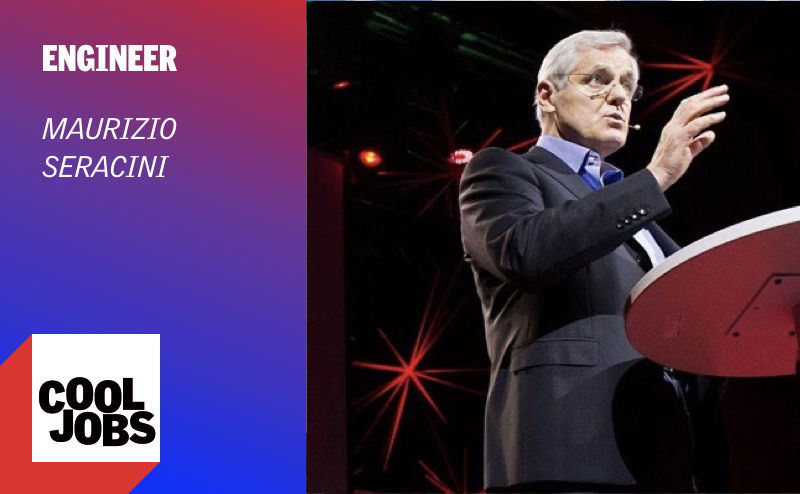
See how engineer and art historian Maurizio Seracini uses his pioneering multispectral imaging techniques and other tools to uncover the long-hidden stories behind masterpiece paintings. Episode filmed live at the …
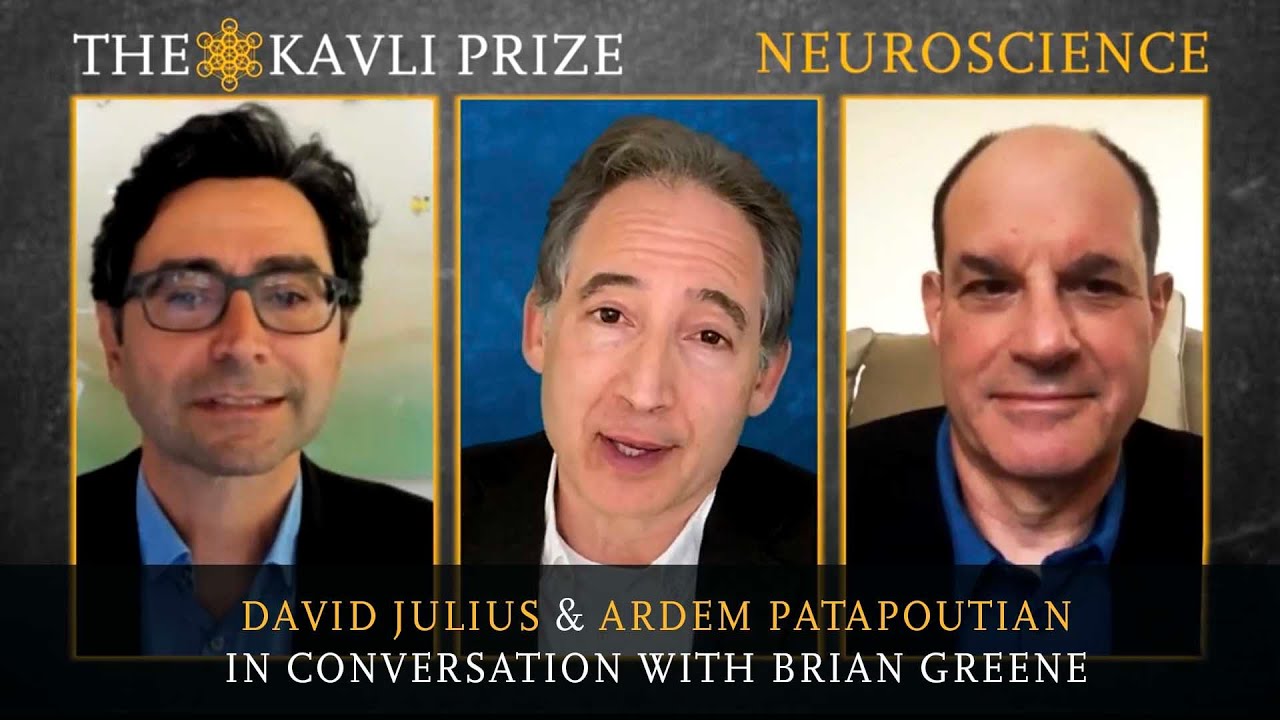
The 2020 Kavli Prize In Neuroscience is awarded to David Julius and Ardem Patapoutian for their transformative discovery of receptors for temperature and pressure. 2020 marks the twelfth anniversary of …