Search Icon




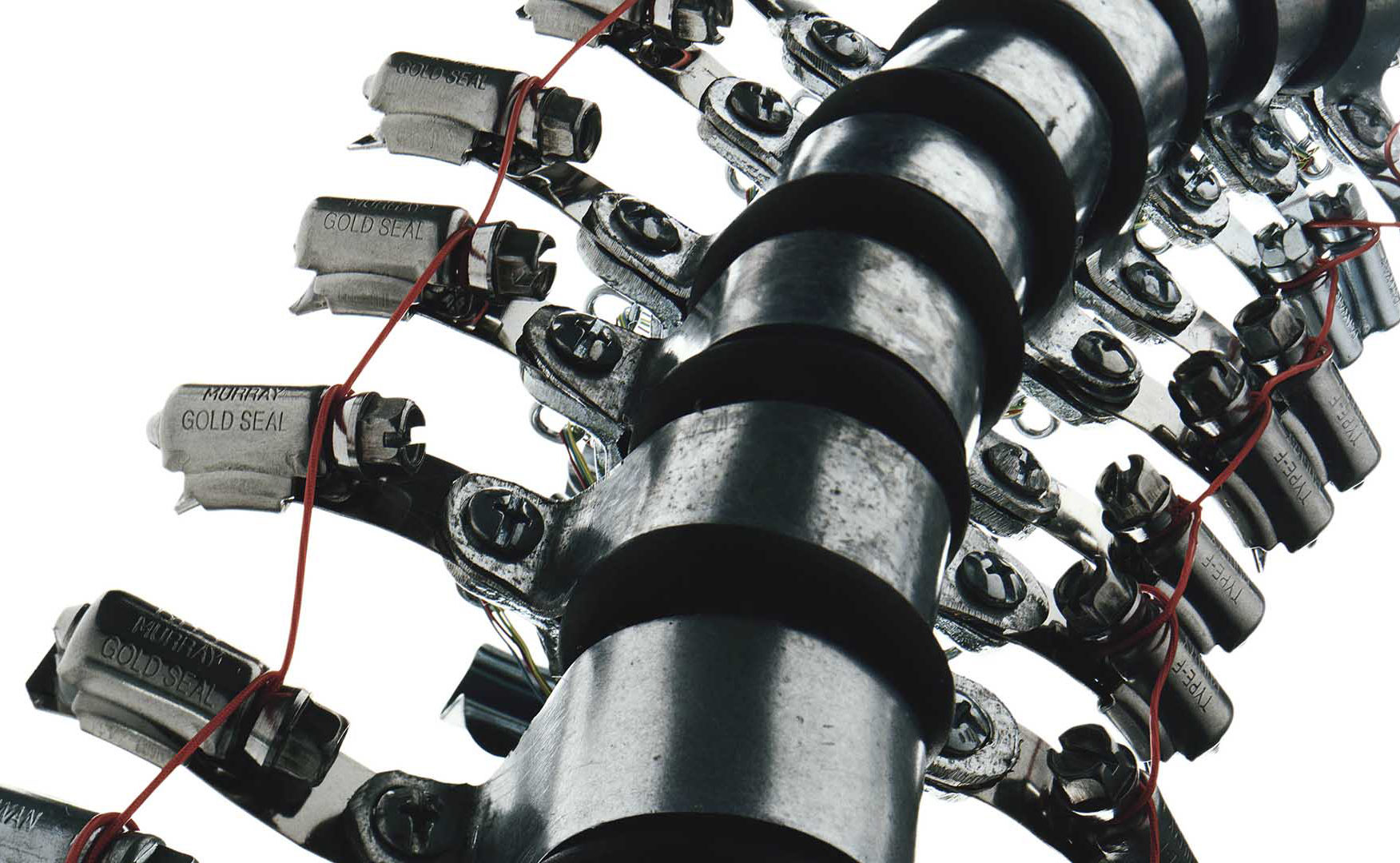
In the future, a woman with a spinal cord injury could make a full recovery; a baby with a weak heart could pump his own blood. How close are we today to the bold promise of bionics—and could this technology be used to improve normal human functions, as well as to repair us?
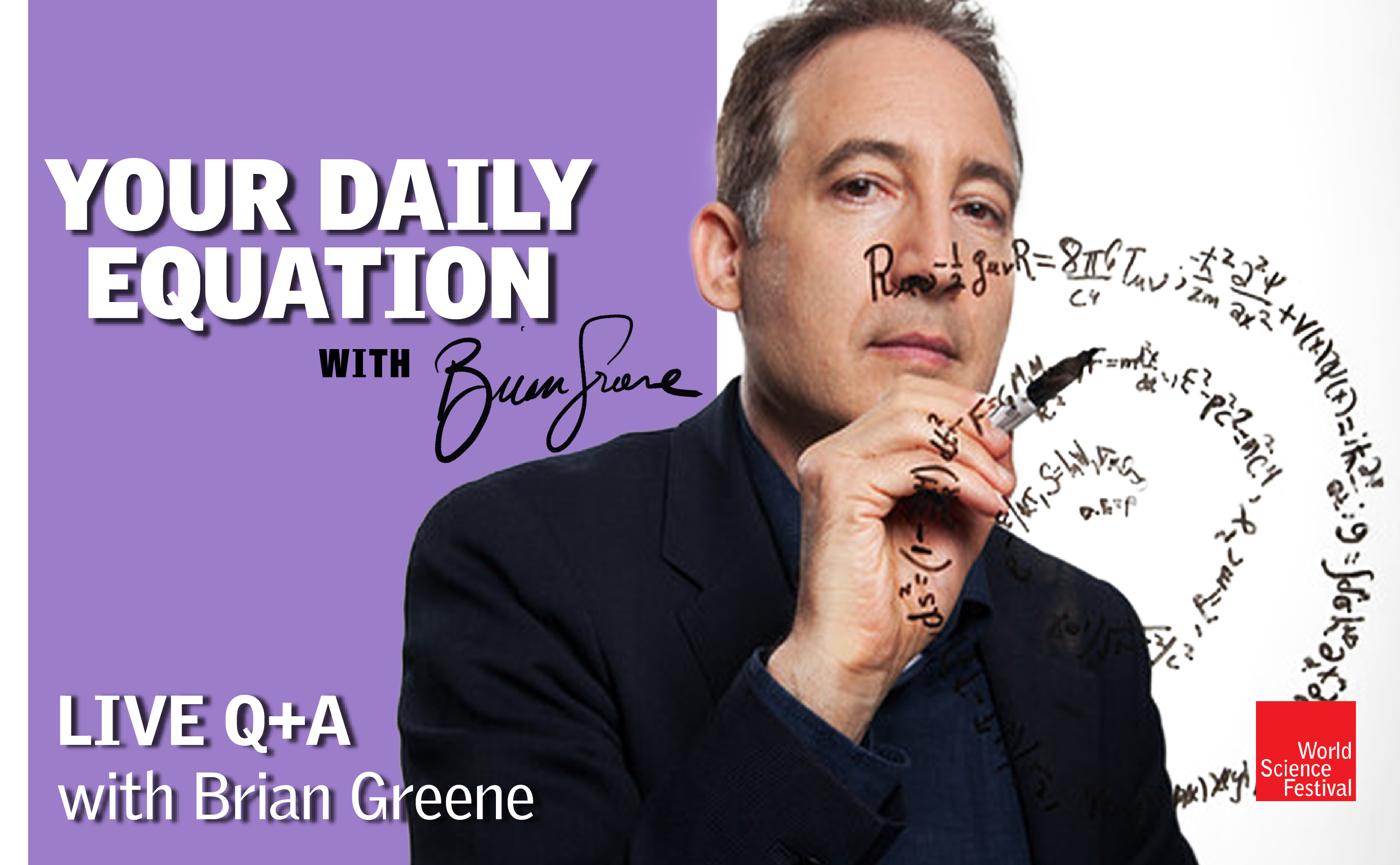
Join us for #YourDailyEquation with Brian Greene. Every Mon – Fri at 3pm EDT, Brian Greene will offer brief and breezy discussions of pivotal equations. Even if your math is a …
Nearly every group has its extreme outliers. Where does fundamentalism come from? How does the most powerful organ in the known universe, the human brain, make emotionally driven decisions that …
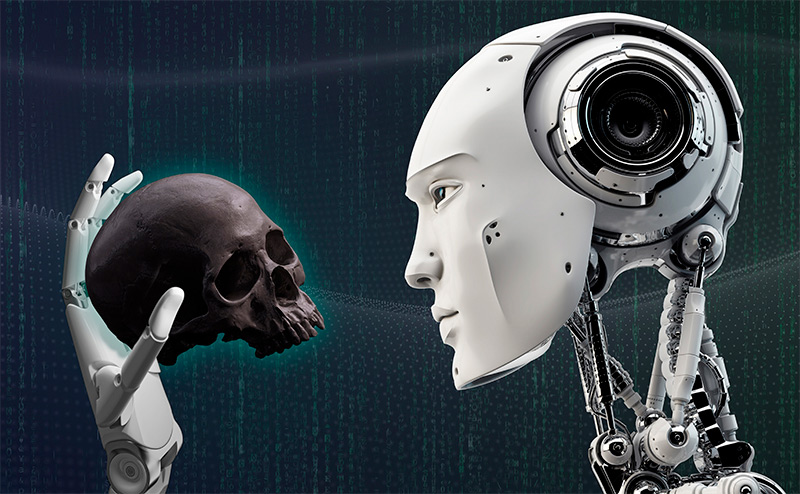
“Success in creating effective A.I.,” said the late Stephen Hawking, “could be the biggest event in the history of our civilization. Or the worst. We just don’t know.” Are we …
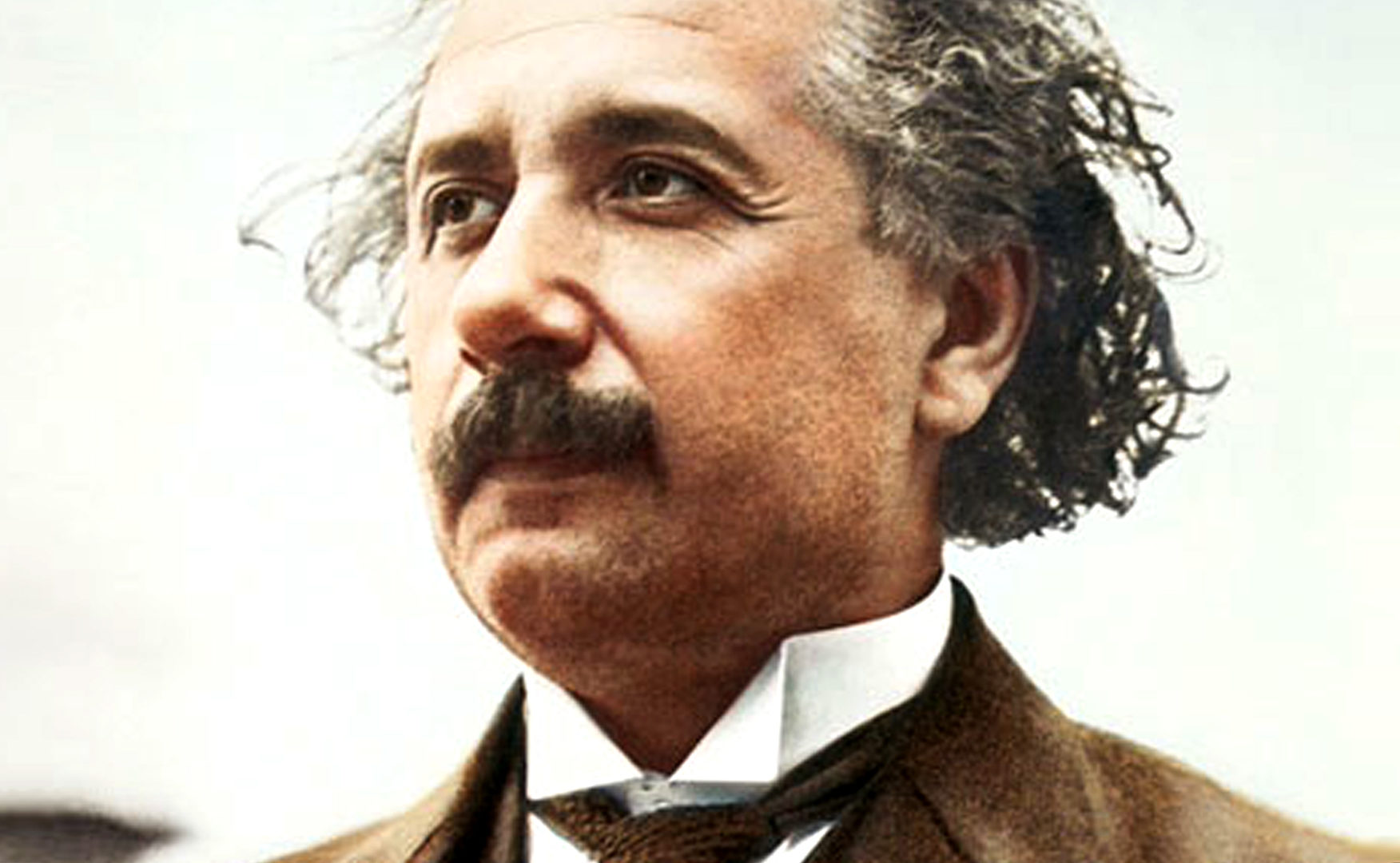
Albert Einstein spent his last thirty years unsuccessfully searching for a ‘unified theory’ — a single master principle to describe everything in the universe, from tiny subatomic particles to immense clusters of galaxies. In the decades since, generations of researchers have continued working toward Einstein’s dream.
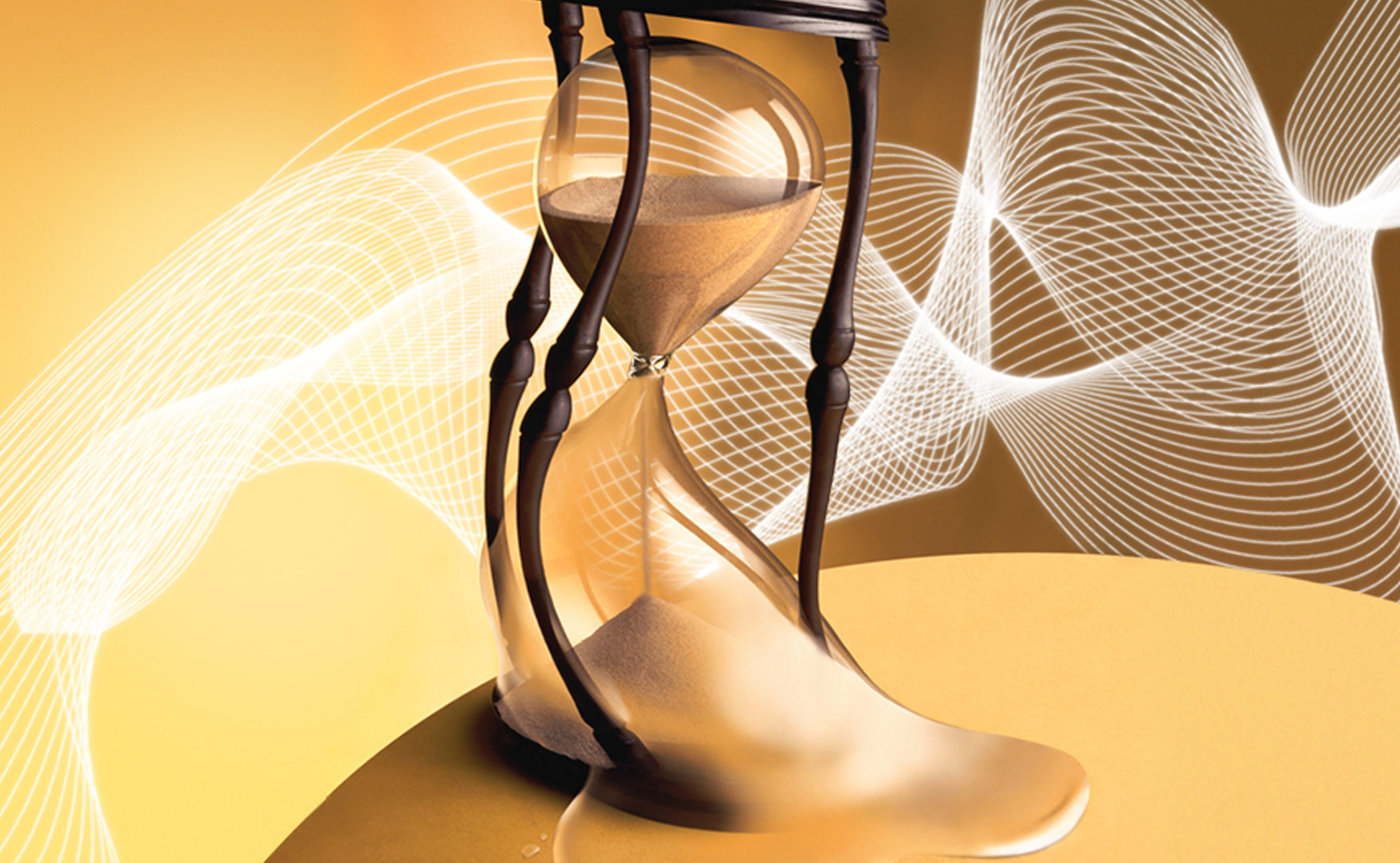
The nature of time is an age-old conundrum for physicists, philosophers, biologists and theologians. The Newtonian picture of time—a kind of cosmic clock that ticks off time in a manner that applies identically to everyone and everything—tightly aligns with our experience. But with special and general relativity, Einstein showed the fallacy inherent in experience.