Search Icon



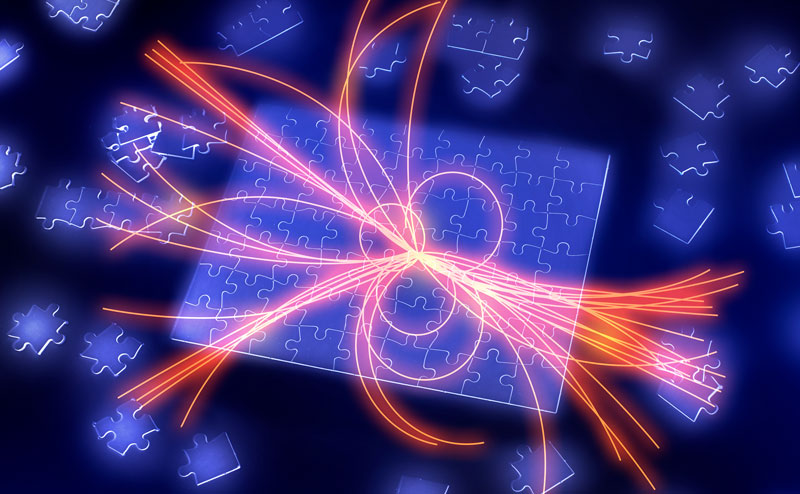
On July 4, 2012 the champagne flowed. The elusive Higgs boson—the fundamental particle that gives mass to all other particles—had been found. After generations of work, the last puzzle piece …
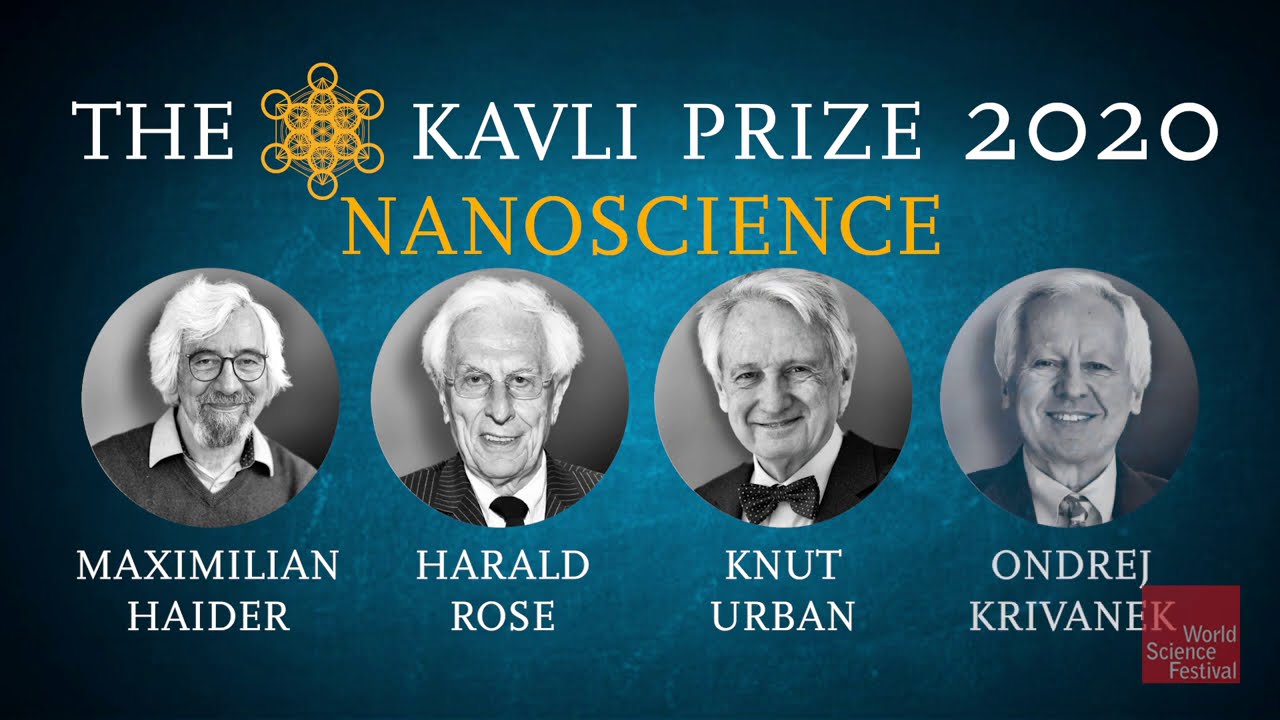
The first electron microscopes enabled scientists to finally view the nanoworld. But because of limitations in the microscope’s lenses, achieving sharp images of individual atoms was not possible. For 60 …
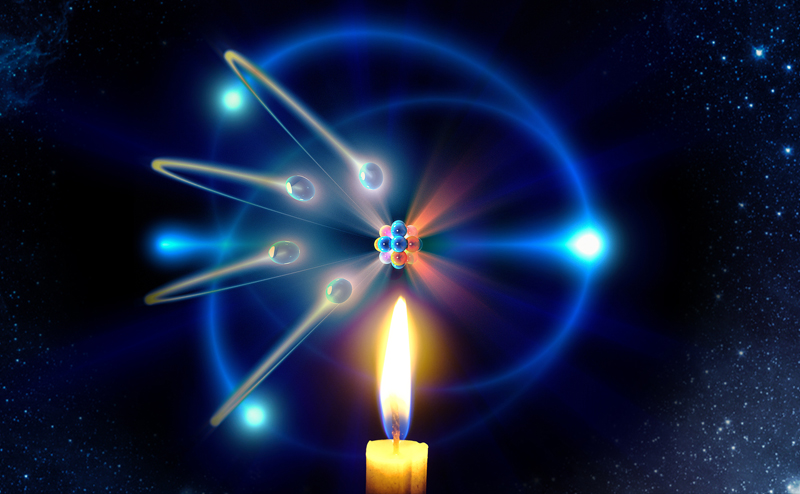
For all their historical tensions, scientists and religious scholars from a wide variety of faiths ponder many similar questions—how did the universe begin? How might it end? What is the origin of matter, energy, and life?
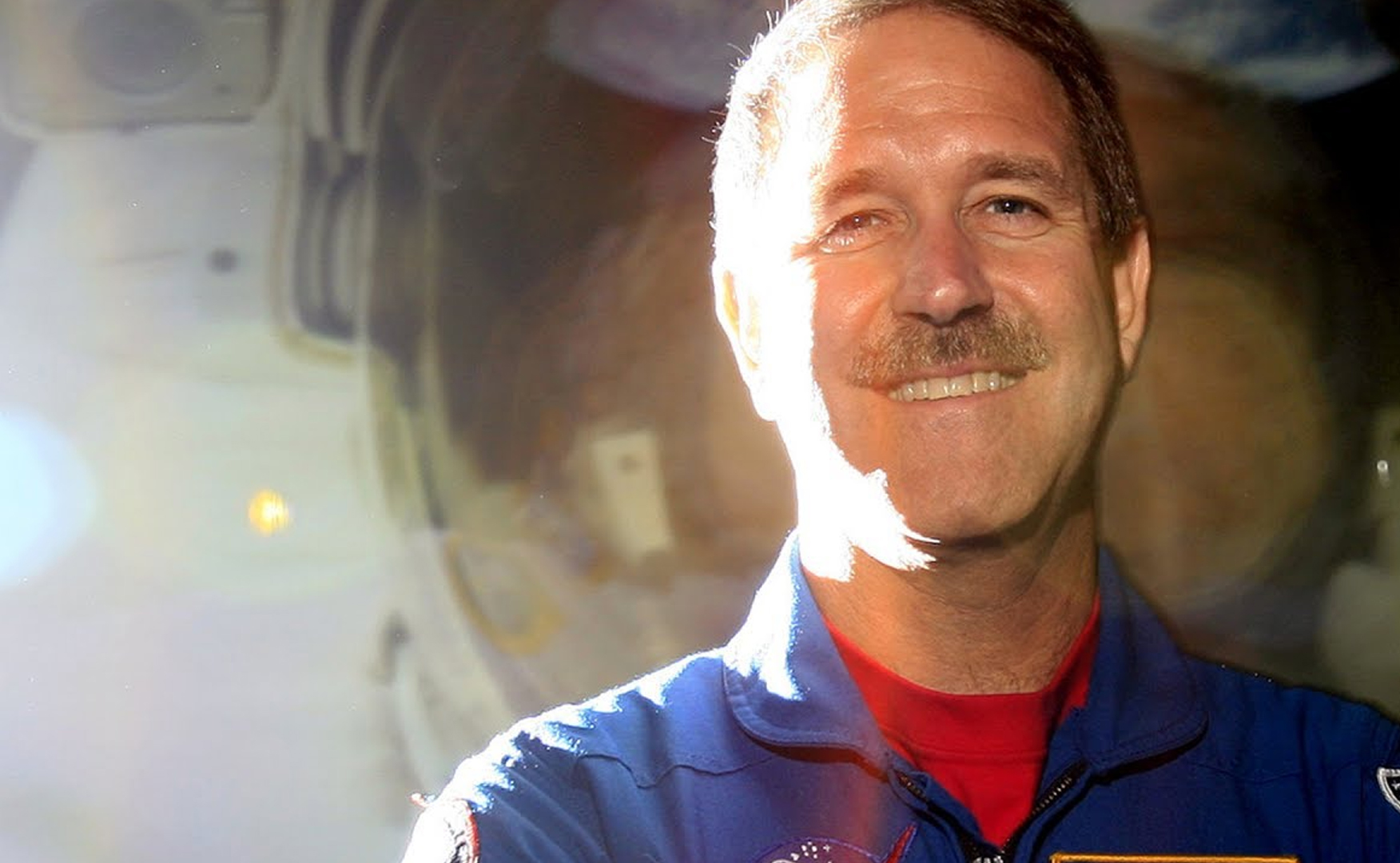
After a storied career with 5 spaceflights (including three trips to fix the Hubble Space Telescope), NASA astronaut John Grunsfeld now helms the space agency’s scientific missions. He helps shepherd …
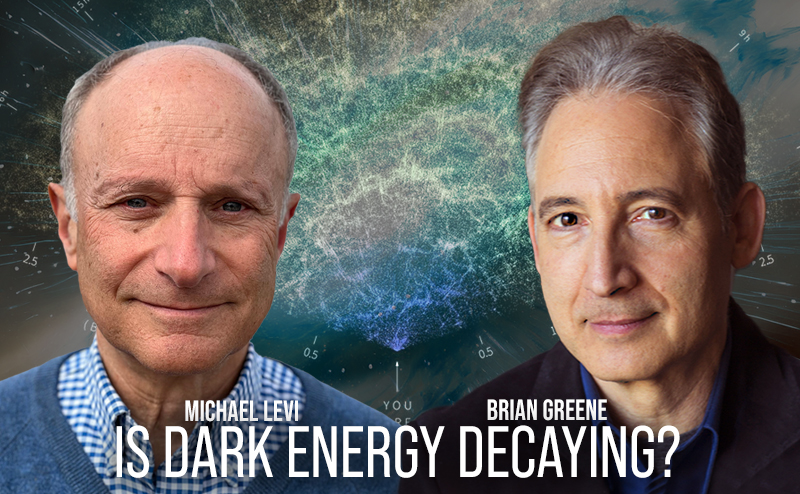
Brian Greene and Michael Levi discuss revolutionary observations that may upend our cosmological understanding. This program is part of the Big Ideas series, supported by the John Templeton Foundation.
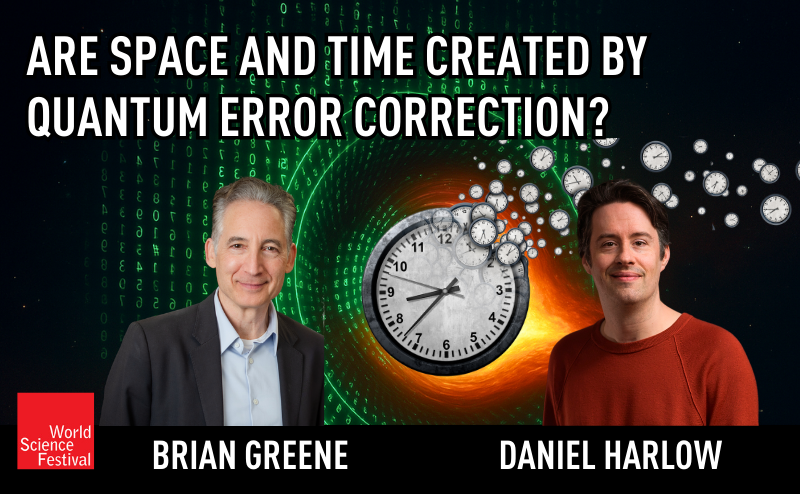
MIT physicist Daniel Harlow joins Brian Greene to explore black holes, holography, and the surprising connection between spacetime and algorithms that perform quantum error correction. This program is part of …