Search Icon




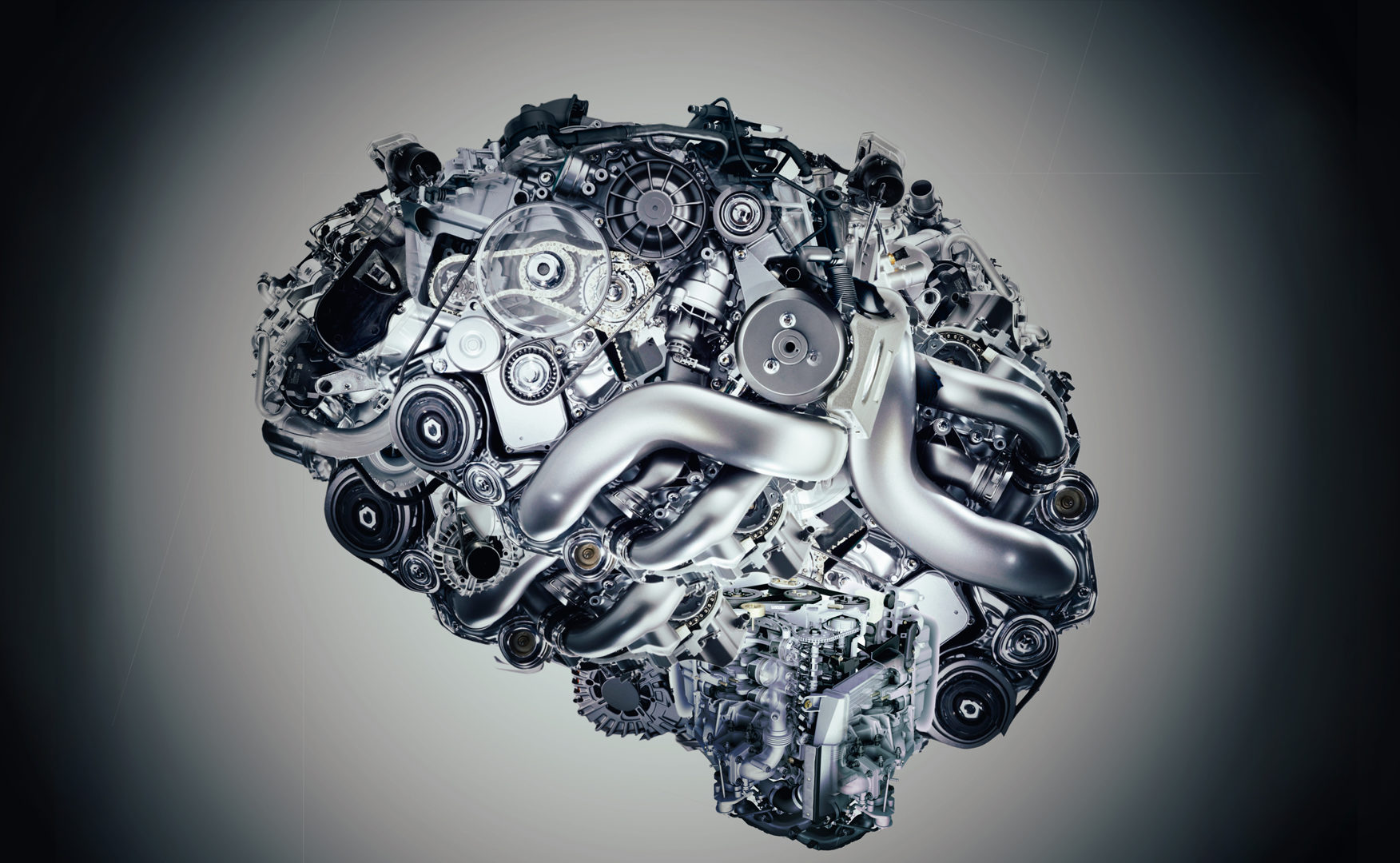
In recent years, machines have grown increasingly capable of listening, communicating, and learning—transforming the way they collaborate with us, and significantly impacting our economy, health, and daily routines. Who, or what, are these thinking machines? As we teach them to become more sophisticated, how will they complement our lives?
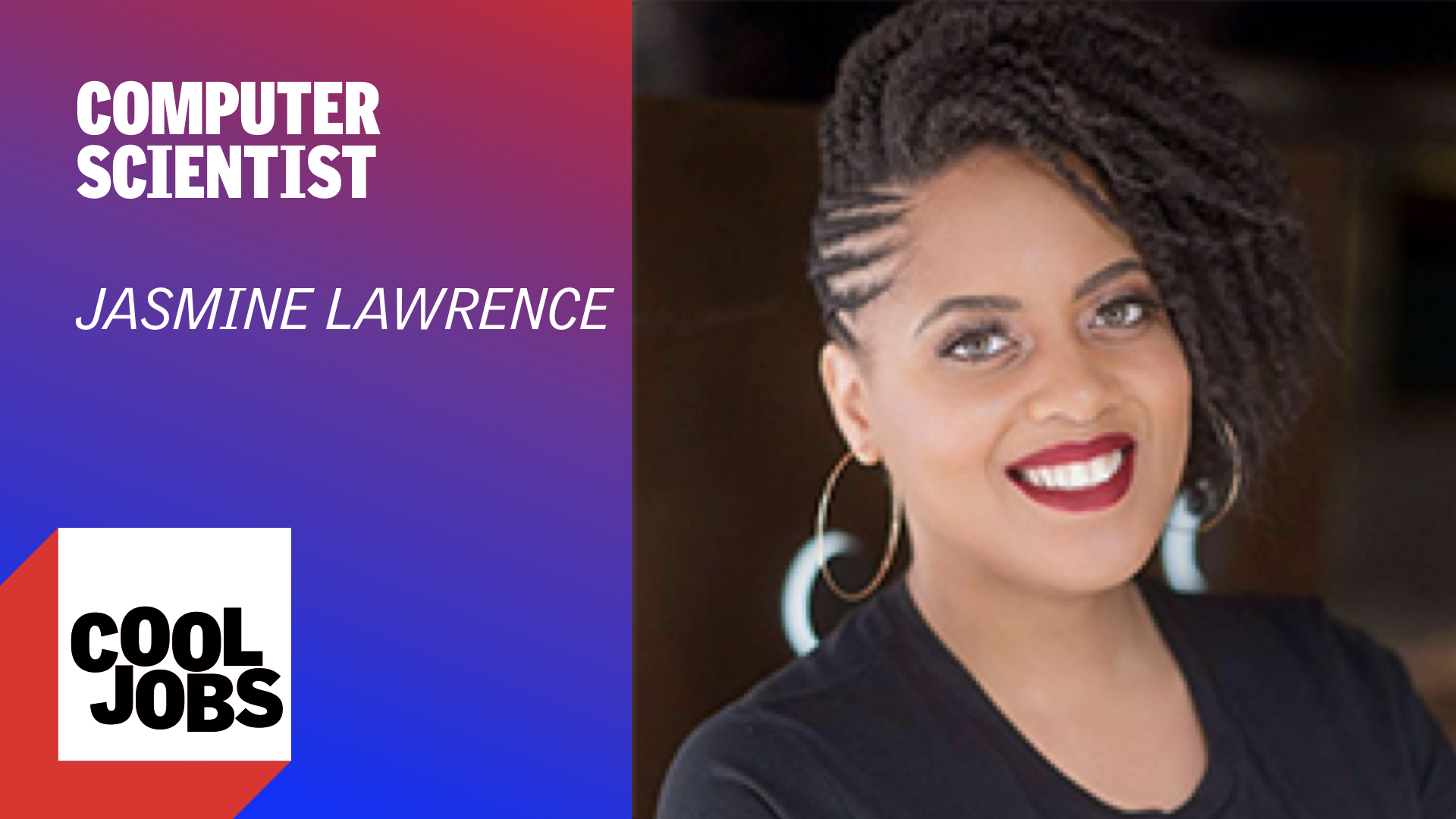
Computer scientist Jasmine Lawrence’s Cool Job is solving problems: She connects families thousands of miles apart through new Facebook technology, runs a blood donation network, and started her own personal …
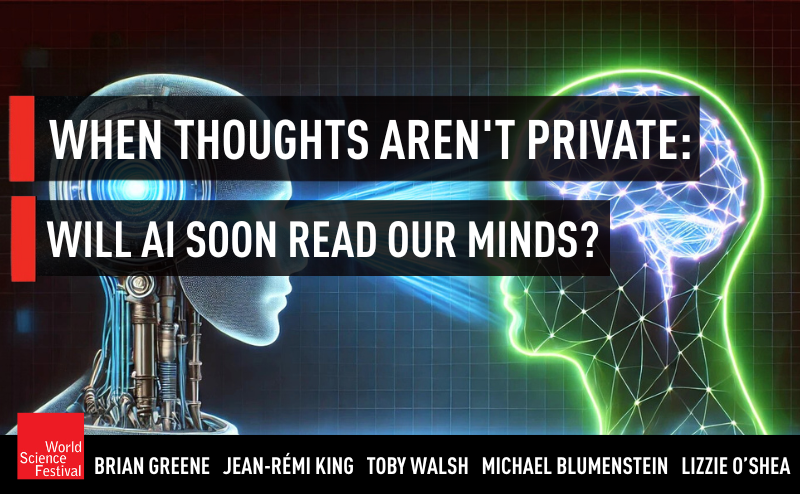
Leading researchers join Brian Greene to explore how AI is pushing mind reading technologies rapidly forward. This program is part of the Big Ideas series, supported by the John Templeton …
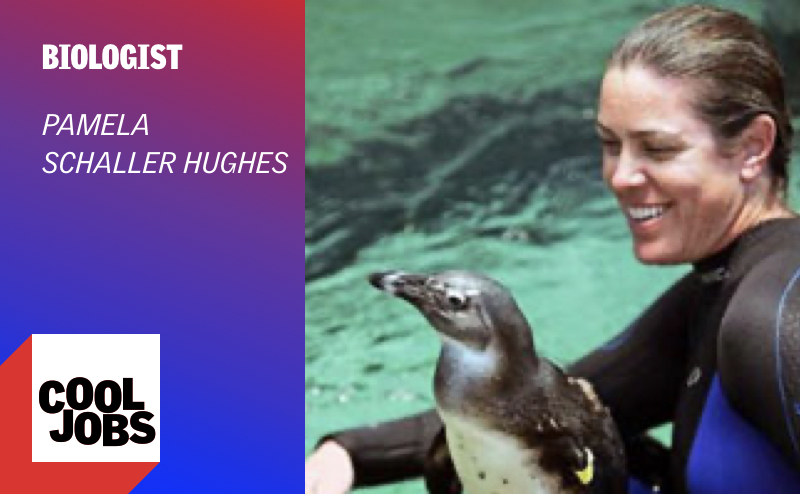
Using ultrasounds, inspecting tentacles, and making protective vests for penguins is all in a day’s work for aquatic biologist Pamela Schaller Hughes. Learn how she designs aquarium exhibits for endangered …
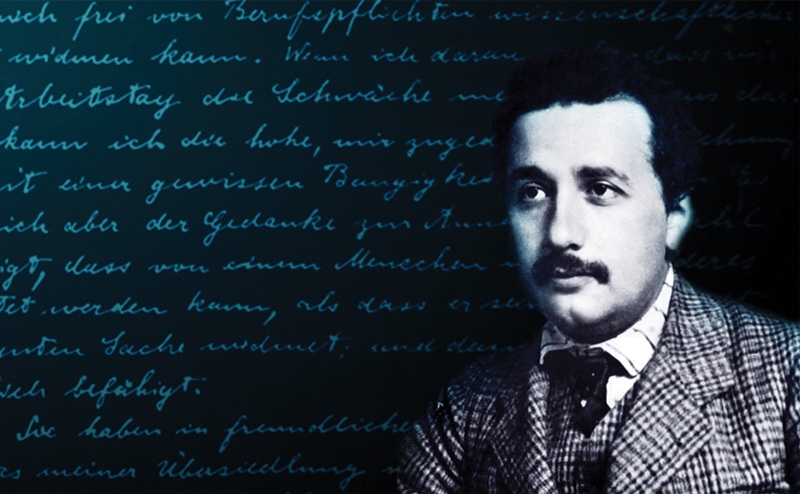
World Science Festival co-founder Brian Greene and seven-time Emmy Award–winner Alan Alda muse on Einstein’s Theory of Relativity in a post-performance discussion after a reading of Alda’s play “Dear Albert.”
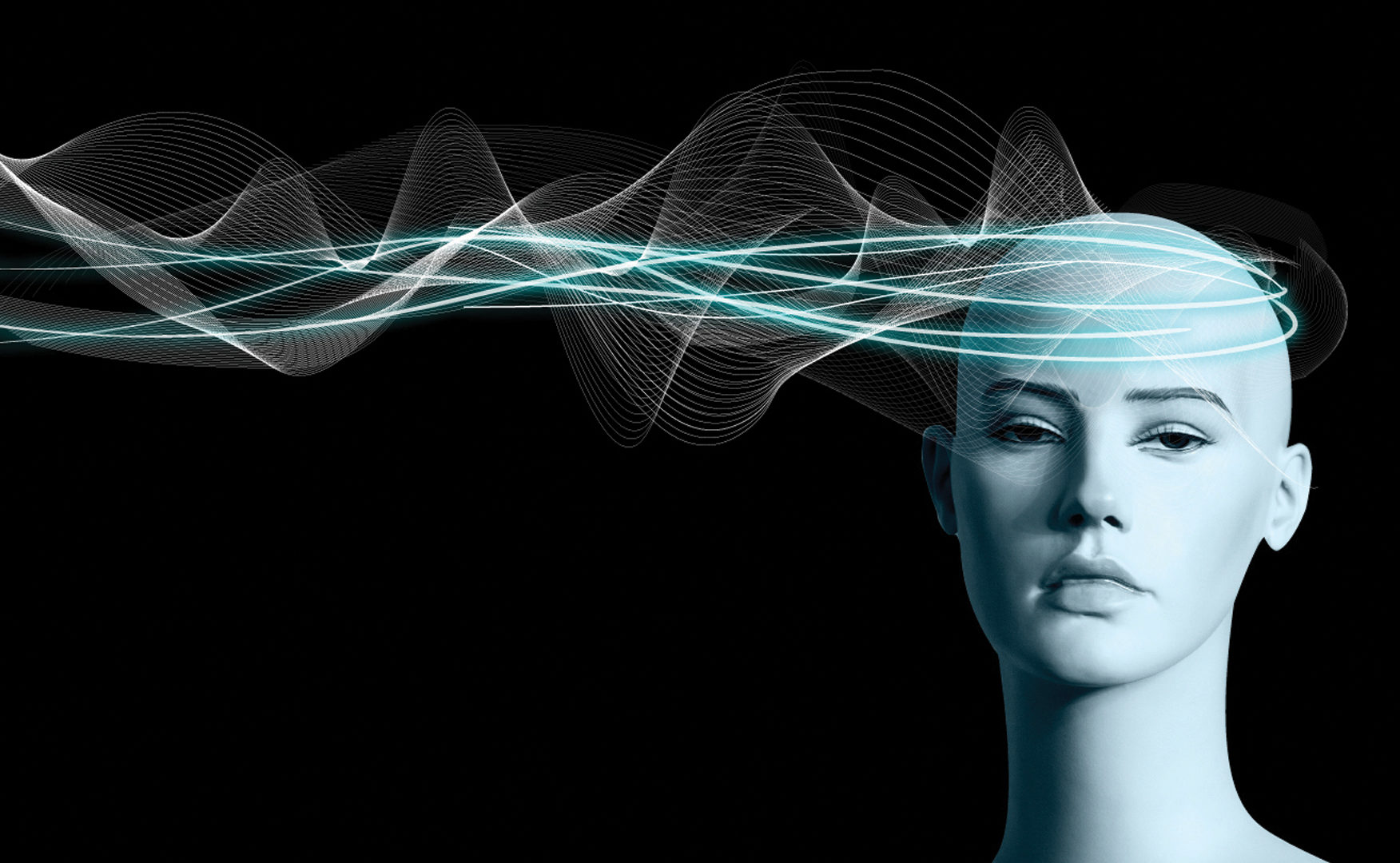
The notion of a “tortured genius” or “mad scientist” may be more than a romantic aberration. Research shows that bipolar disorder and schizophrenia correlate with high creativity and intelligence, raising tantalizing questions: What role does environment play in the path to mental illness?