Search Icon




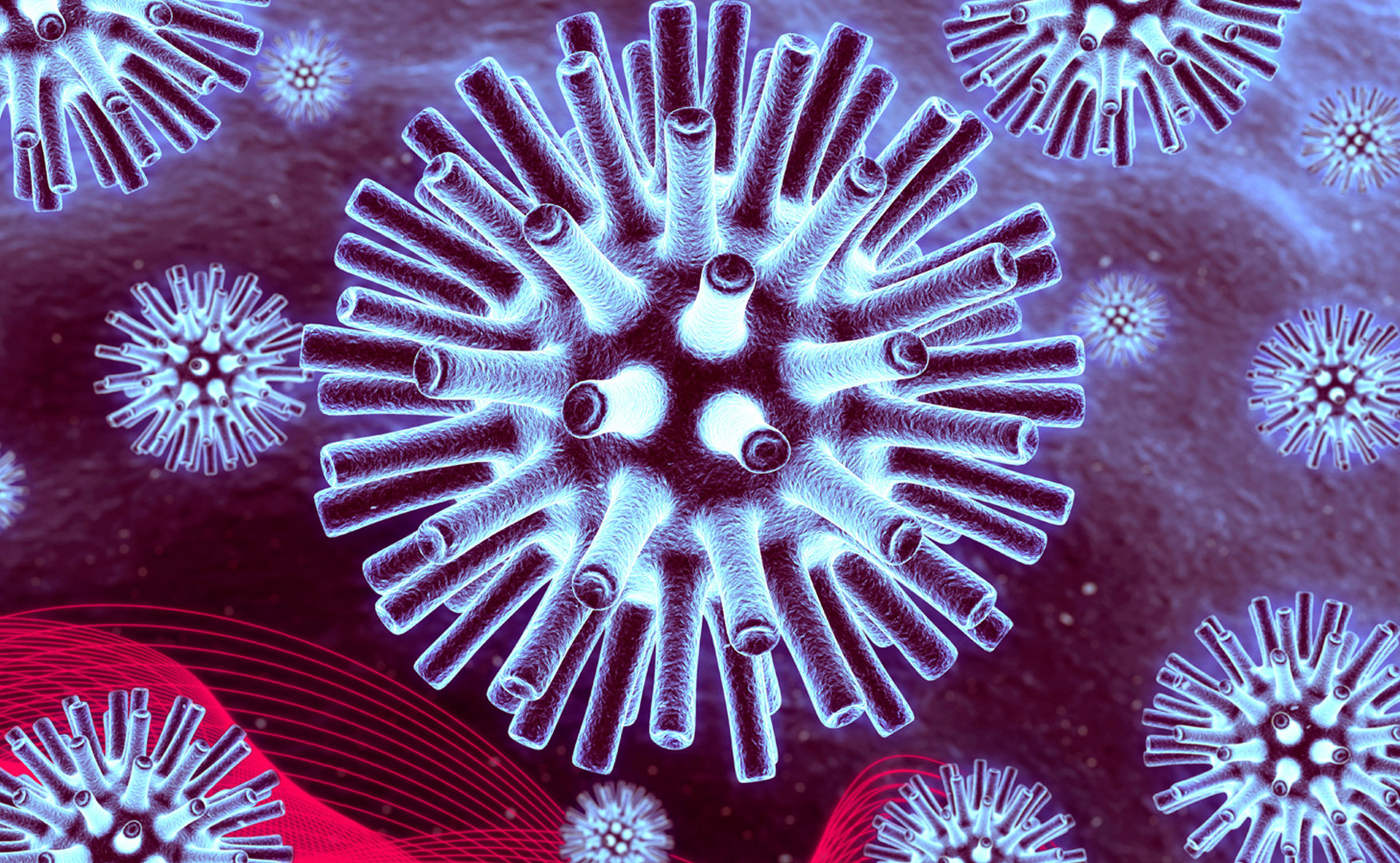
Pills the size of molecules to seek and destroy tumors. Miniscule robots performing surgery inside patients with a precision never before achieved. Nanobots, a billionth of a meter across, fixing mutations in DNA, or repairing neurons in your brain. Such are the possibilities as medicine enters the nano-era.

Using the Shrinky Dinks toy as inspiration, biomedical engineer Michelle Khine invented a way to shrink lab testing materials and equipment, resulting in increased testing speed and reliability while lowering …
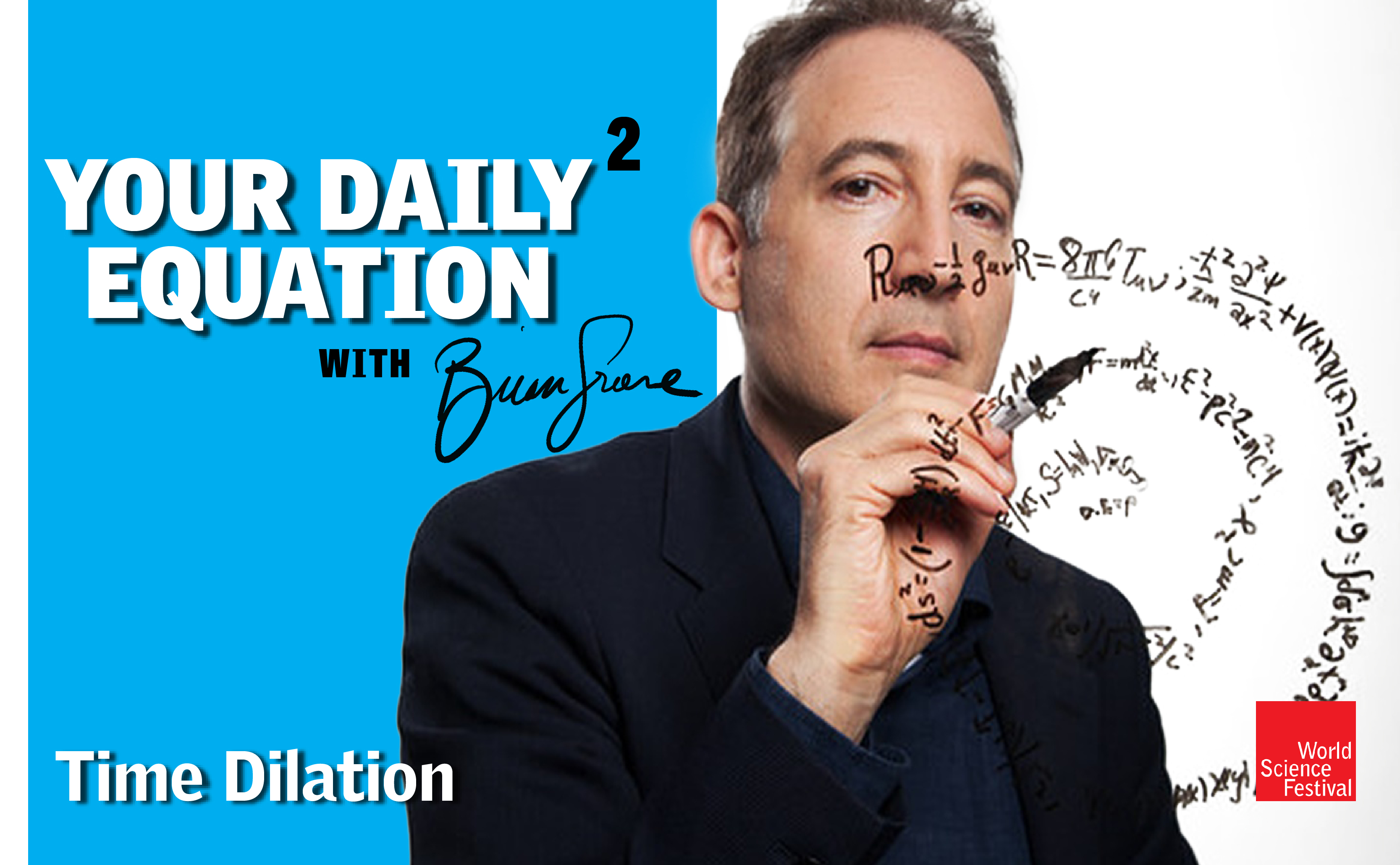
#YourDailyEquation with Brian Greene offers brief and breezy discussions of the most pivotal equations of the ages. Even if your math is a bit rusty, these accessible and exciting stories …

Is our universe unique or one of many? What happened before the Big Bang? Why is there something rather than nothing? Physicists and cosmologists are closing in on how the …
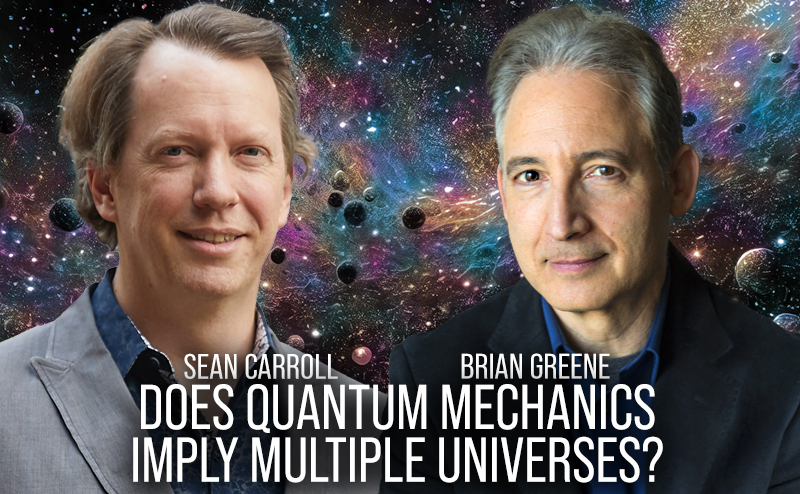
Dive into the deepest quantum mystery: how do we transition from a haze of possibilities to the concrete reality we experience? Does the answer require a profusion of universes, each …
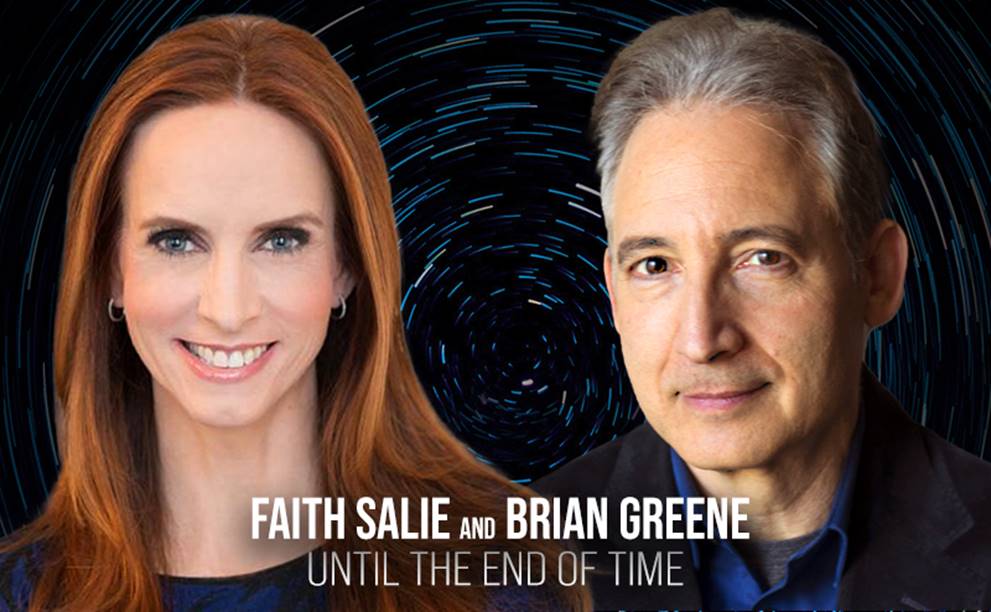
Physicist and mathematician Brian Greene and journalist Faith Salie explore the past and future of the cosmos – from the big bang to the closest science can take us to the very end – …