Search Icon





By 2050, one of every four people on Earth will go hungry unless food production more than doubles. Science-based agriculture has proposed unconventional new tools—earthworms, bacteria, and even genes from sunny daffodils—to meet this towering challenge. But will such innovative ideas be enough?

Enjoy Brian Greene’s thought-provoking conversation with Yale physics and astronomy professor Priyamvada Natarajan’s. Priyamvada’s latest research sheds new light on dark matter, with the potential to upend the whole dark …
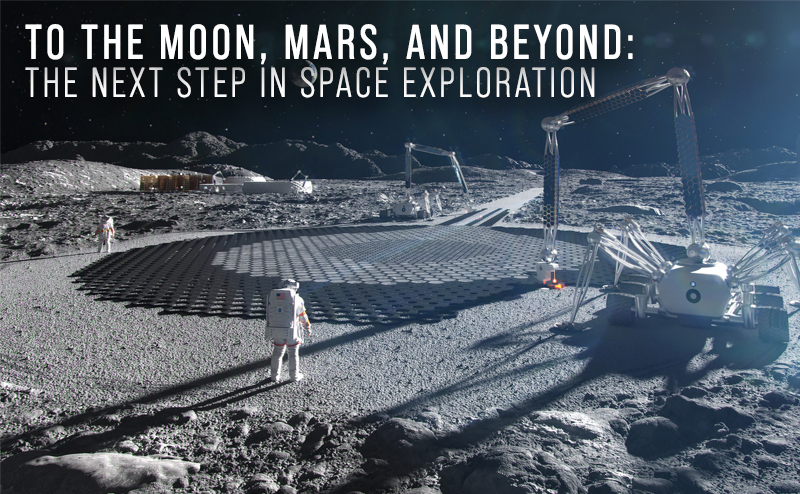
The successful launch of Artemis I marks the first step toward humankind’s return to the moon in half-a-century, and is vital to the yet more ambitious plan of landing a …
Recent breakthroughs in dating ancient samples of DNA and human remains have led to a radical reassessment of human origins. At least ten other early human groups–some with the cognitive capacity to make …
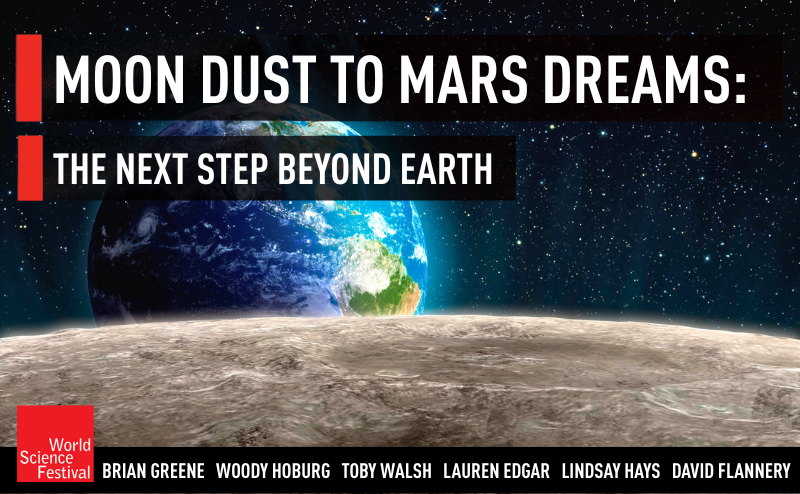
Astronaut Woody Hoburg and leading planetary scientists join Brian Greene to explore ambitious new missions set to propel humanity deeper into space and sharpen our quest to discover life beyond …

Synthetic blood mass-produced to meet supply shortages. Livers and kidneys “bioprinted” on demand. Missing fingers and toes re-grown with a jolt of bioelectricity. Regenerative medicine promises to do more than …