Search Icon



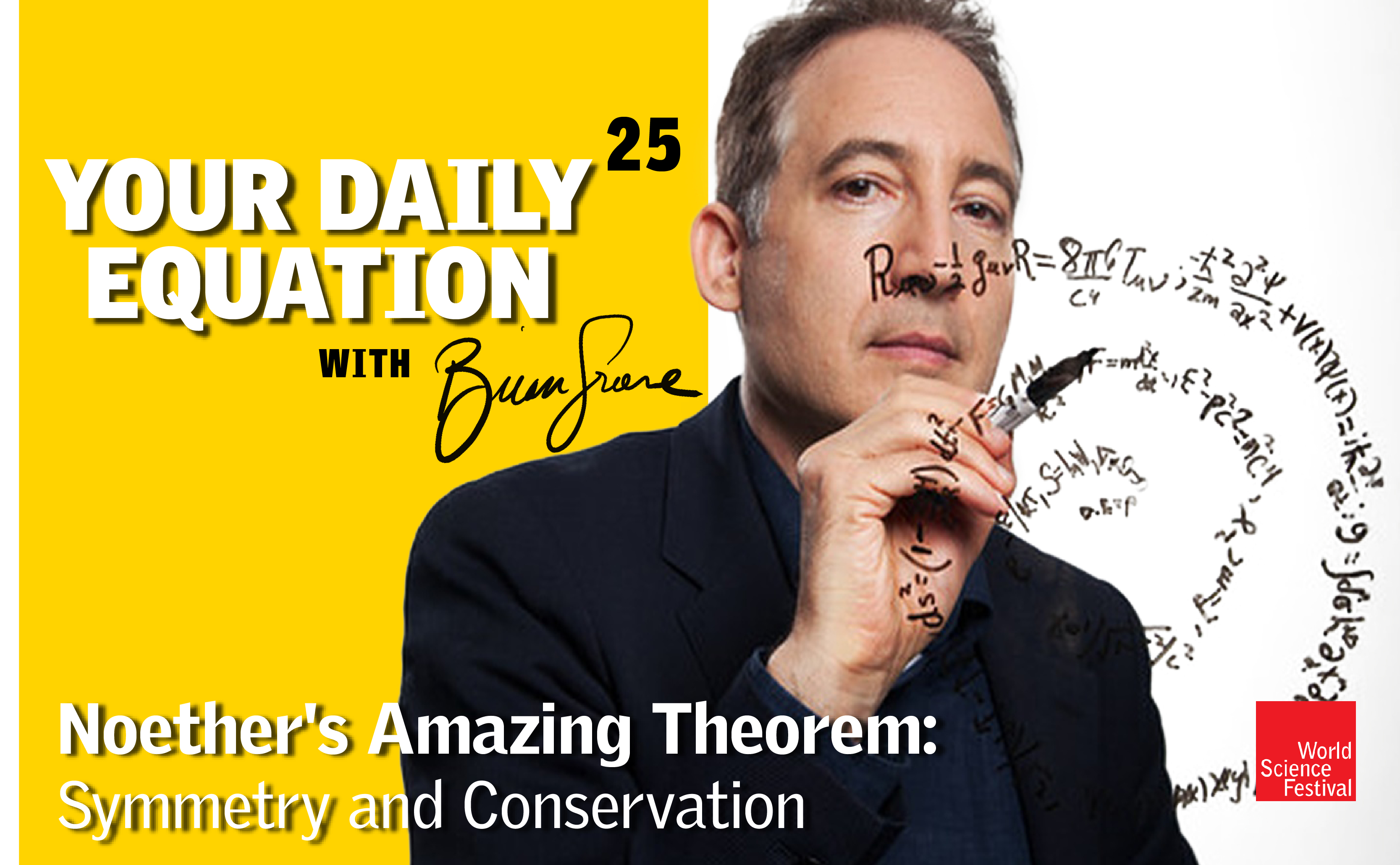
Join us for #YourDailyEquation with Brian Greene. Every Mon – Fri at 3pm EDT, Brian Greene will offer brief and breezy discussions of pivotal equations. Even if your math is a …
We’ve assembled an all-star group of ecologists, naturalists, and creative thinkers for an urgent but hopeful conversation about the environmental pressures bearing down on Earth’s rich spectrum of species.
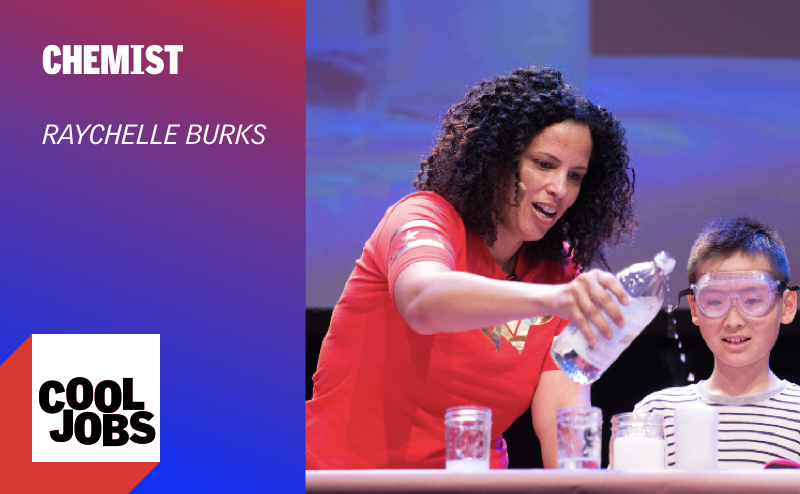
Chemist Raychelle Burks is on the front lines of forensic science, developing ways to detect drugs and explosives. Episode filmed live at the 2016 World Science Festival in New York …
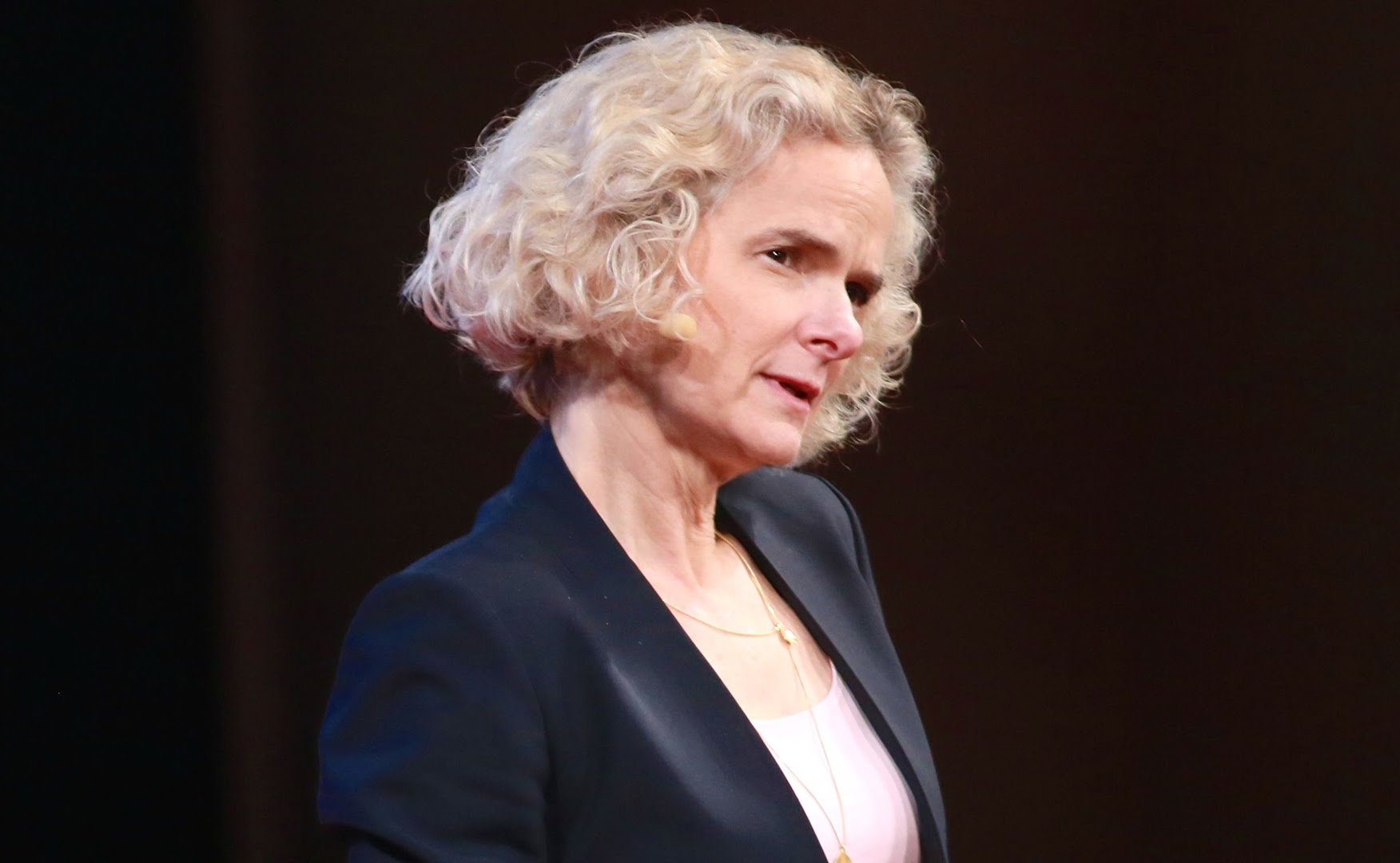
Meet Dr. Nora Volkow, whose research on drugs and the brain helped us understand addiction as a disease. Nora Volkow is the director of the National Institute on Drug Abuse. …
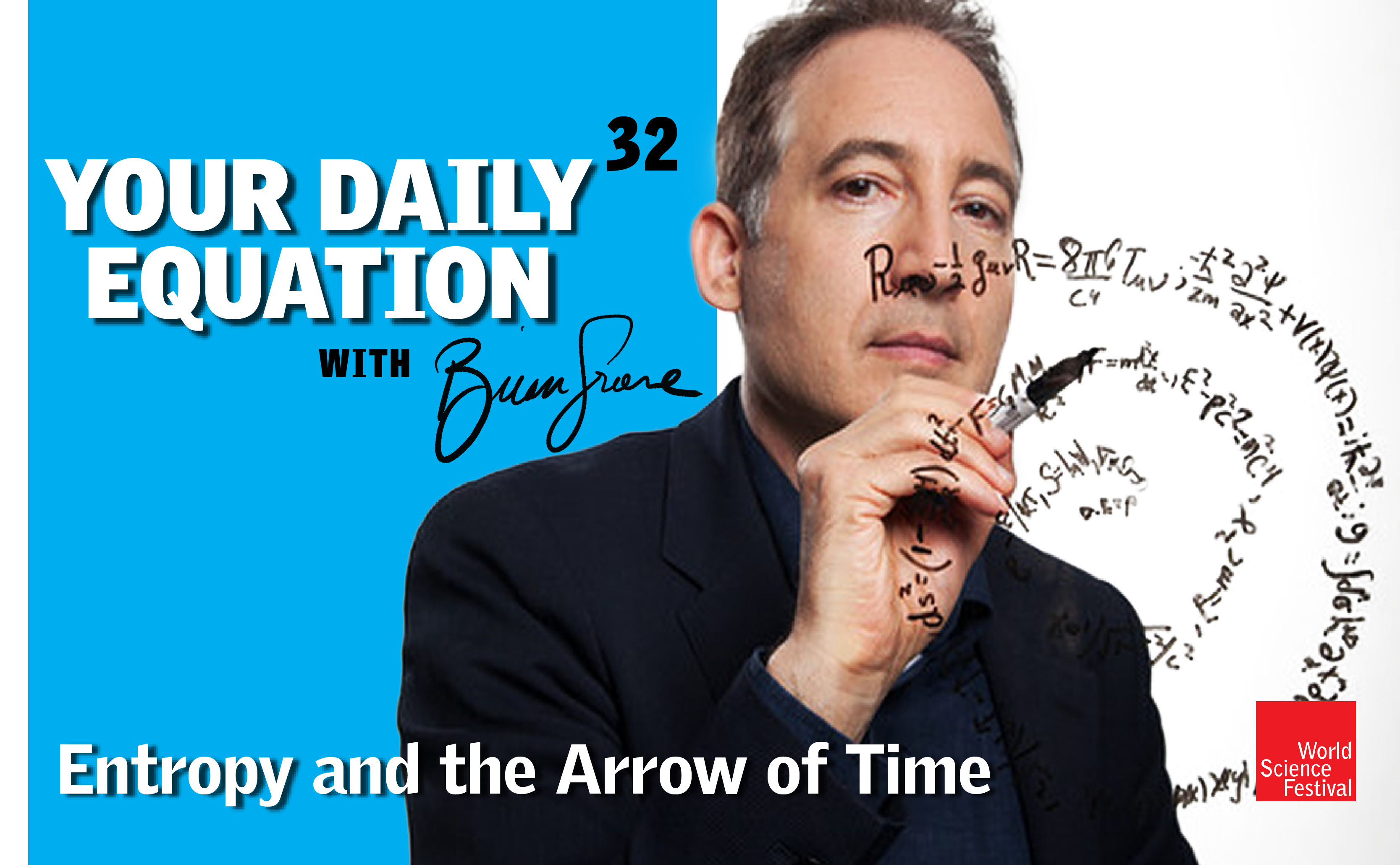
Join us for #YourDailyEquation with Brian Greene. Every Mon – Fri at 3pm EDT, Brian Greene will offer brief and breezy discussions of pivotal equations. Even if your math is a …

Probability is the backbone of science, but how well do you understand it? Odds are, not as well as you think; it is a surprisingly subtle concept that is often misunderstood, sometimes even by professionals who use it to guide crucial and far-reaching decisions.