Search Icon



For all that Darwin contributed to our understanding of the biological world, he was haunted by one vexing question: How does the incremental process of evolution suddenly produce, say, humans—animals who walk upright, communicate through language, and possess the brainpower to travel to the moon?

Stuntman and special effects coordinator Steve Wolf shows how actors can fall from a 20-story building without injury and how houses can be set ablaze safely in movies…all through science. …
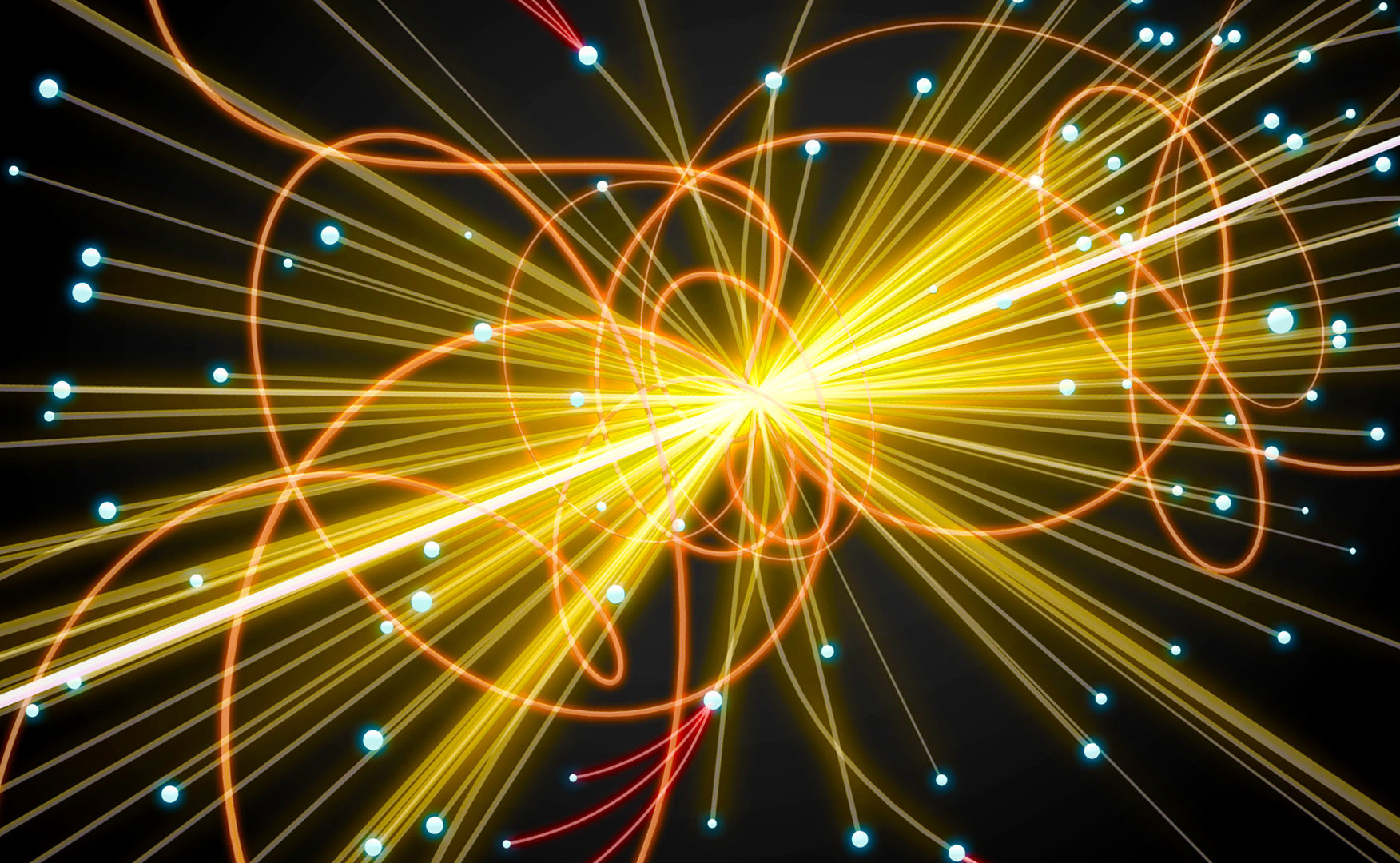
Come venture deep inside the world’s biggest physics machine, the Large Hadron Collider. This extraordinary feat of human engineering took 16 years and $10 billion to build, and just weeks ago began colliding particles at energies unseen since a fraction of a second after the big bang.
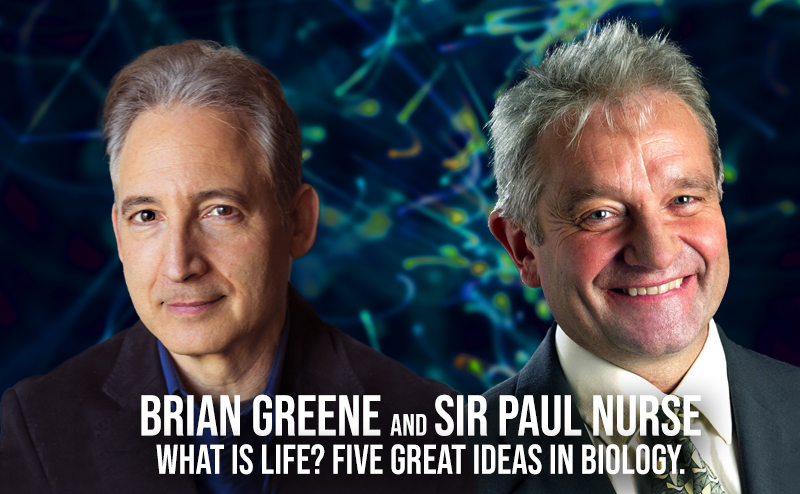
Nobel Laureate Sir Paul Nurse joins Brian Greene for a conversation about the fundamental ideas in biology explored in his new book, What Is Life? Five Great Ideas in Biology. …

A new generation of technology is revolutionizing neuroscience, allowing a closer study of the brain than had ever seemed possible. The techniques are hybrids of optics, genetics, and synthetic biology …
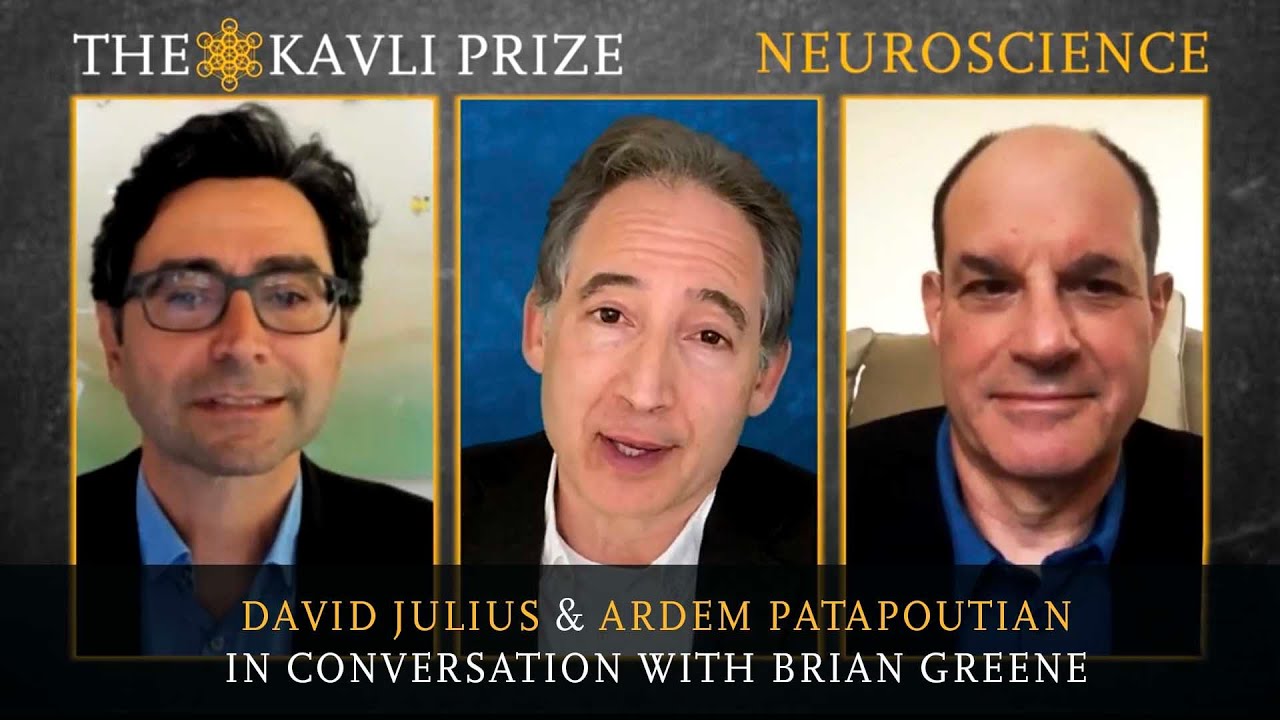
The 2020 Kavli Prize In Neuroscience is awarded to David Julius and Ardem Patapoutian for their transformative discovery of receptors for temperature and pressure. 2020 marks the twelfth anniversary of …