Search Icon



Einstein dreamed of a unified theory of nature’s laws. String theory has long promised to deliver it: a mathematically elegant description that some have called a “theory of everything.” Join …

“Move fast and break things,” went the Silicon Valley rallying cry, and for a long time, we cheered along. Big Tech, in its infancy, spouted noble goals of bringing us …
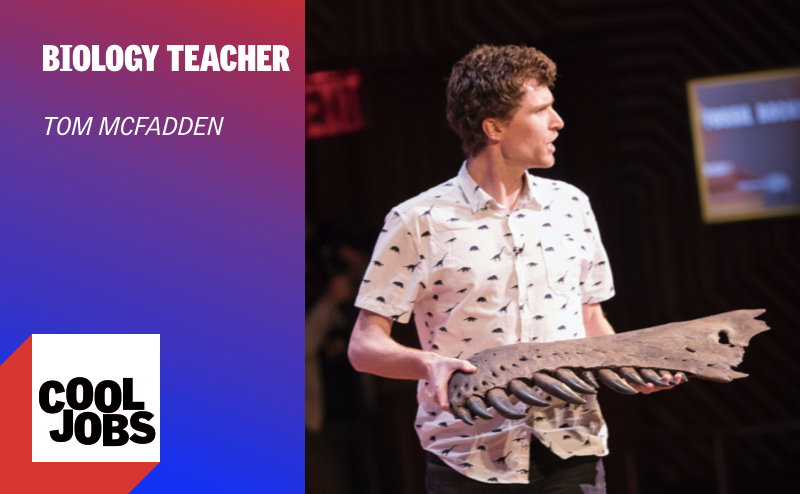
Students in the biology class of @ScienceWithTom write and perform rapping, rhyming biology songs that leave them inspired to learn more. Science teachers prepare tomorrow’s pioneering scientists. Episode filmed live …
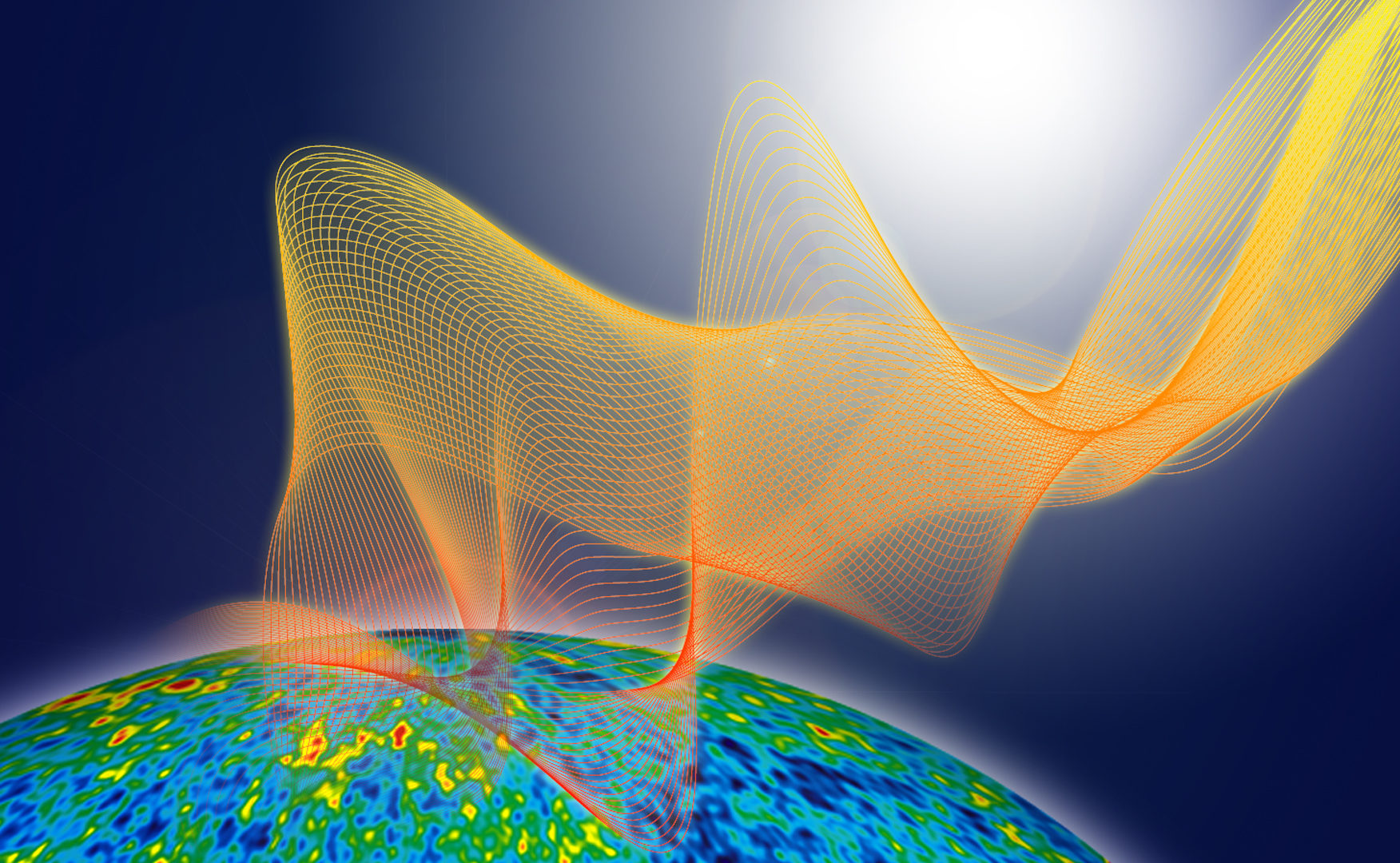
Cosmology is the one field in which researchers can—literally—witness the past. The cosmic background radiation, ancient light streaming toward us since the Big Bang, provides a pristine window onto the birth and evolution of the universe.
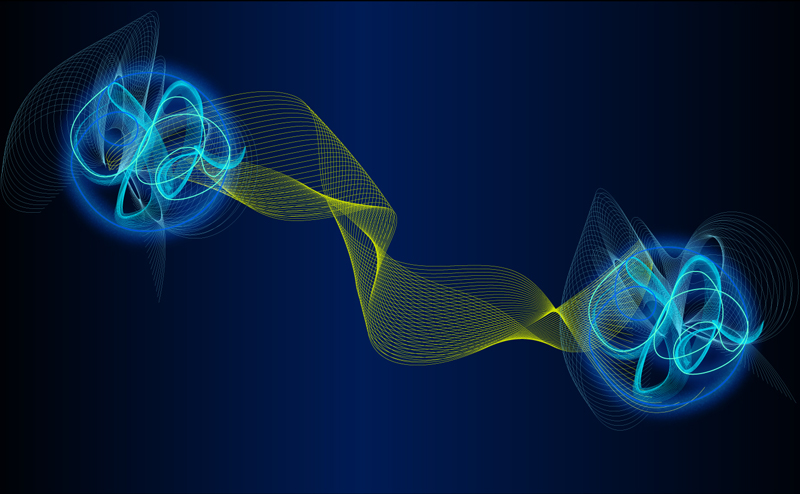
In 1935, Albert Einstein and two colleagues published a landmark paper revealing that quantum mechanics allows widely separated objects to influence one another, even though nothing travels between them. Einstein called it spooky and rejected the idea, arguing instead that it exposed a major deficiency in the quantum theory.
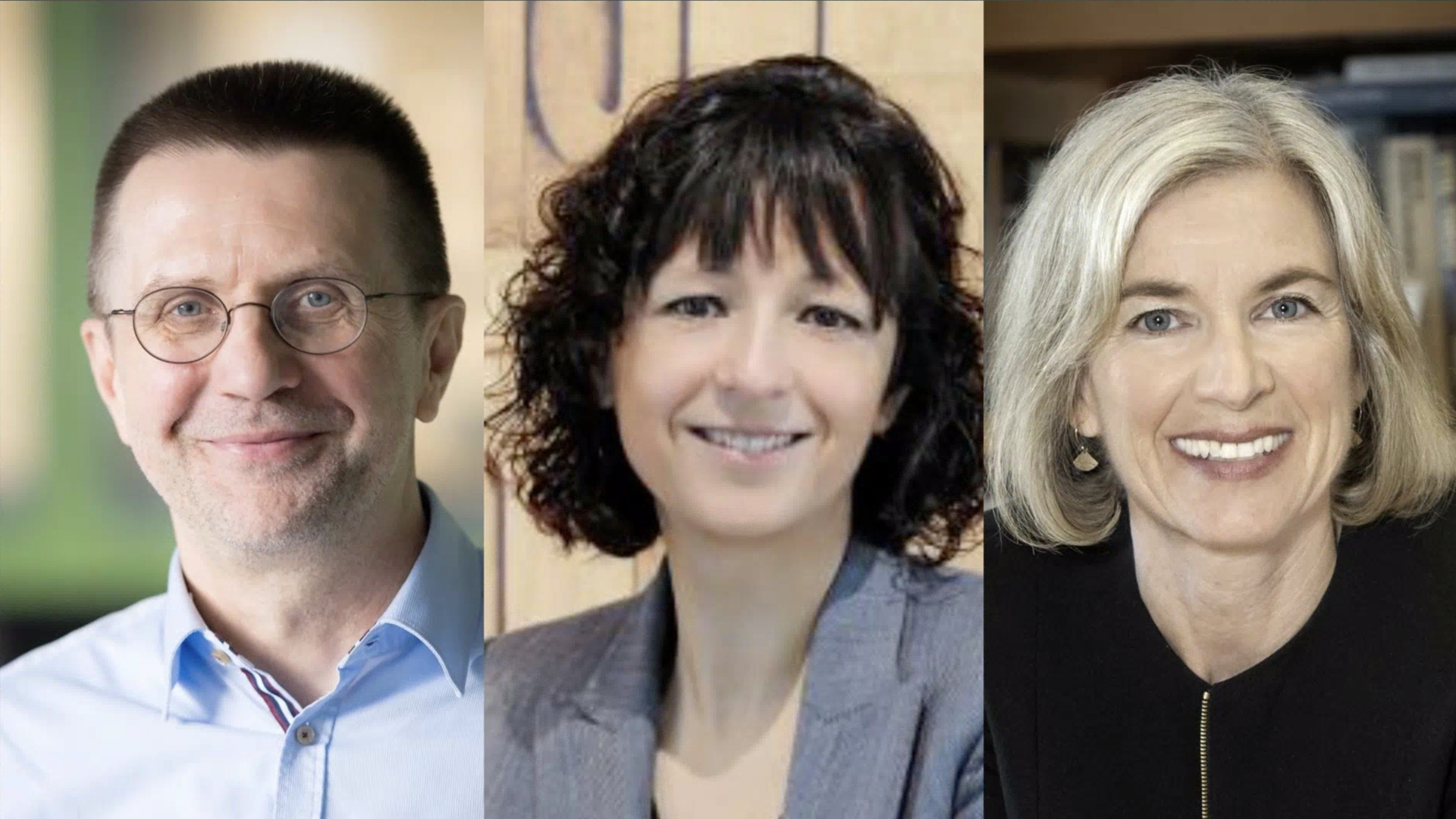
The winners of the 2018 Kavli Prize In Nanoscience Are Jennifer Doudna, Emmanuelle Charpentier and Virginijus Siksnys for pioneering work on Crispr-cas9. 2018 marks the tenth anniversary of the prestigious …