Search Icon




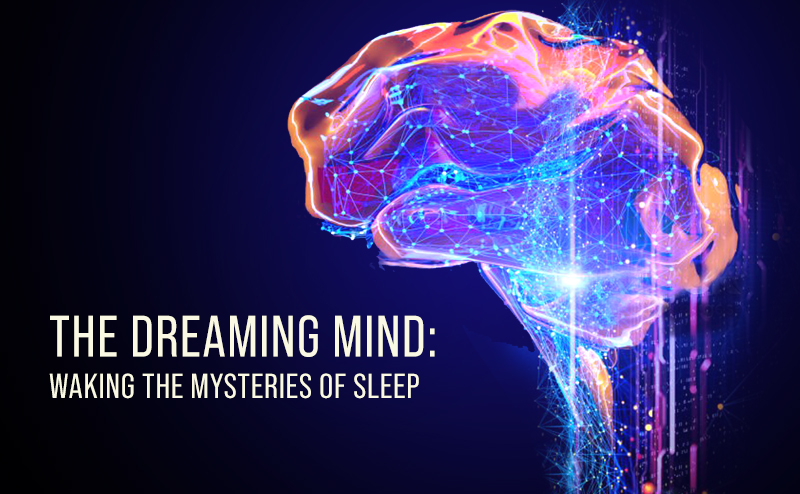
Where do our dreams come from, why do we have them, and what do they mean? Can we harness them to foster creativity, solve problems, and prepare for the future? …
What does fear smell like? Love? Can we use scent to control behavior? Do humans really sense pheromones? What if you could diagnose diseases just by smelling them? And exactly how does our brain convert floating organic molecules into chemical signals that our brain processes as odor?
The nature of time is an age-old conundrum for physicists, philosophers, biologists and theologians. The Newtonian picture of time—a kind of cosmic clock that ticks off time in a manner that applies identically to everyone and everything—tightly aligns with our experience. But with special and general relativity, Einstein showed the fallacy inherent in experience.

Brian Greene engages physicist and former LIGO spokesperson Gabriela González in a conversation about LIGO and Virgo’s new announcement of the most massive gravitational wave source to date and discusses …
Nanotechnology has found its way into a wide range of consumer products, from cell phones to odor-resistant socks. But is this tiny tech up to one of the biggest challenges …
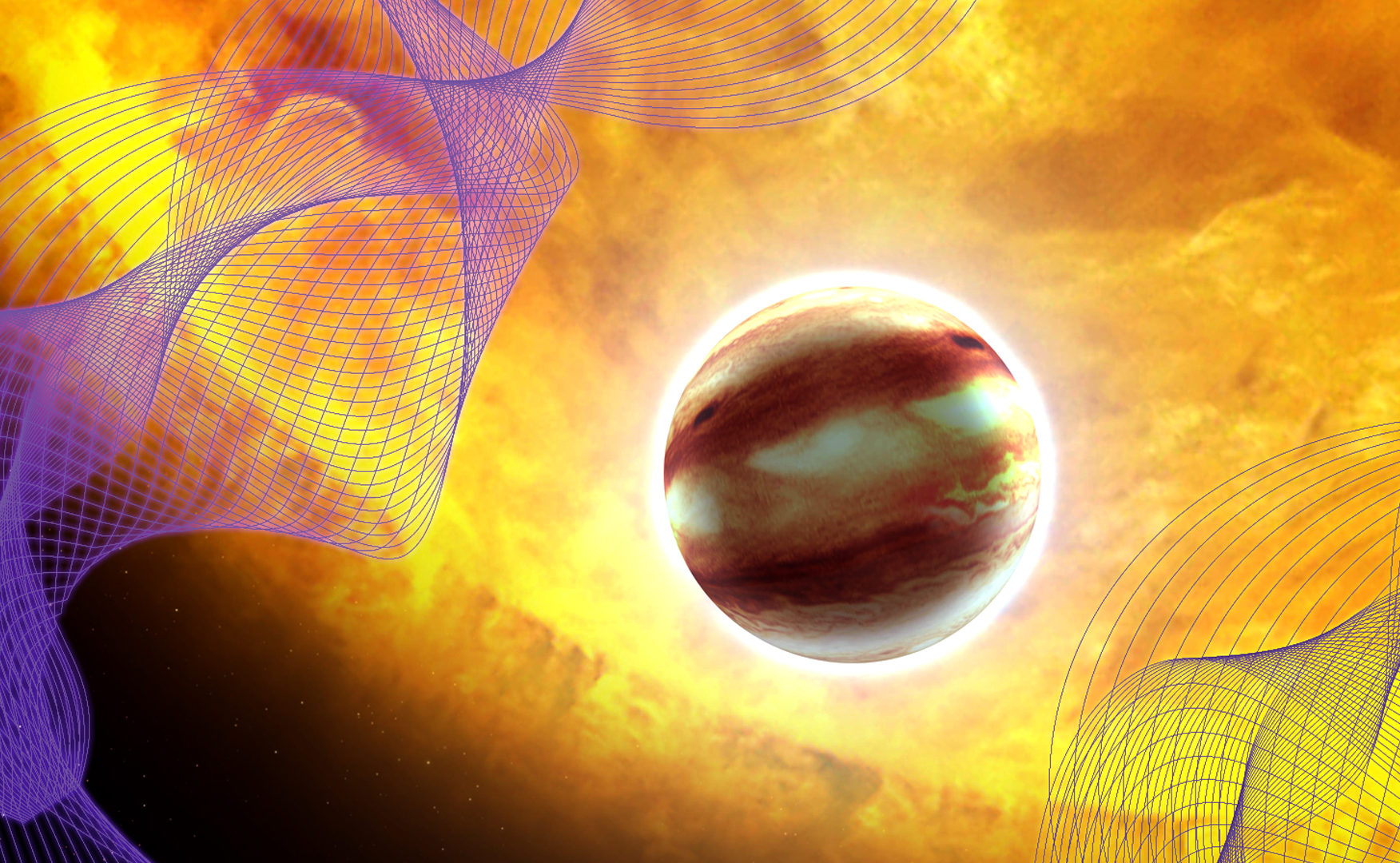
A few decades ago, we knew of no other planets beyond those in our solar system. Today, astronomers have confirmed over 700 planets circling other suns and believe billions more lay undiscovered.