Search Icon



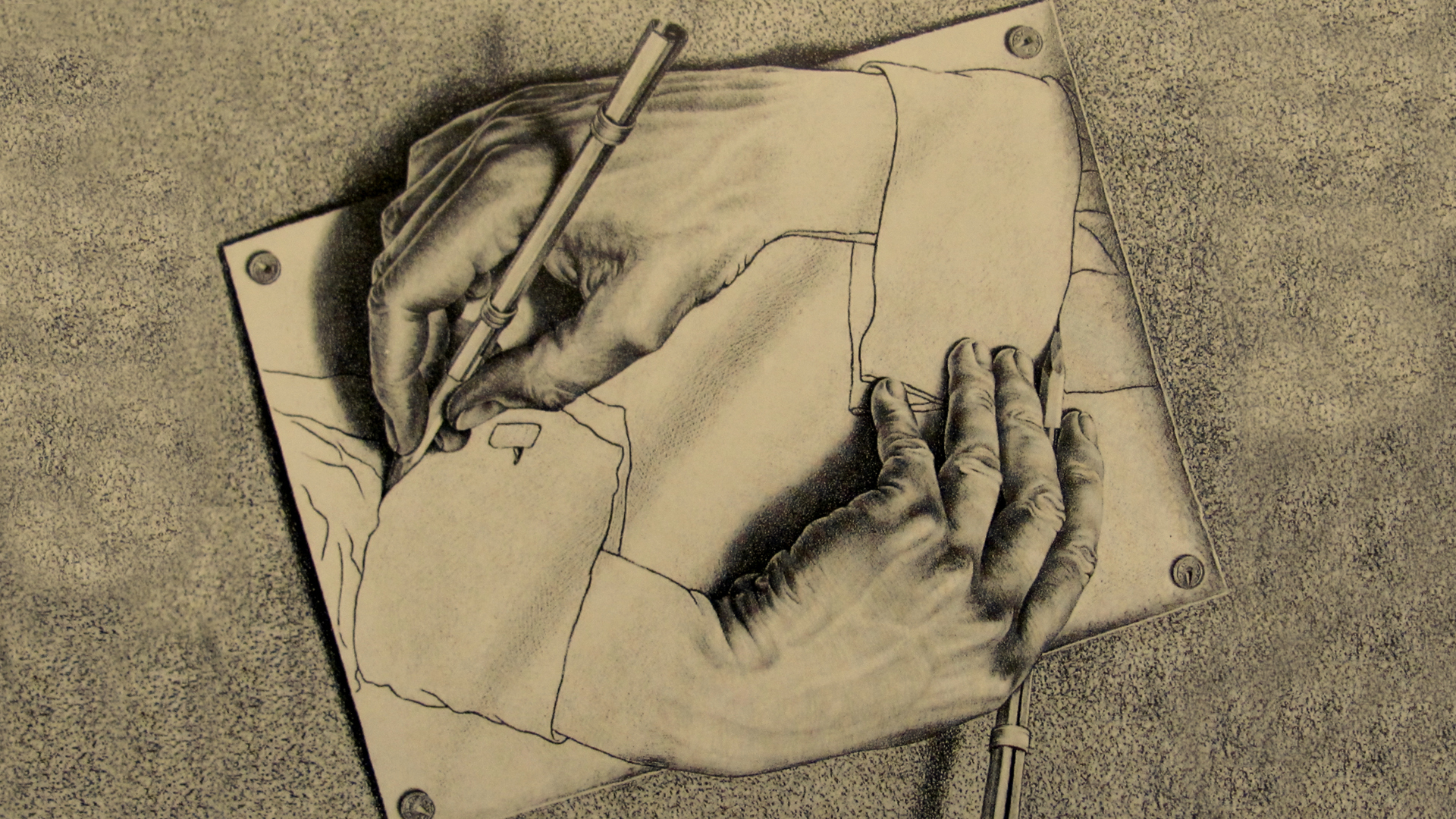
This statement is false. Think about it, and it makes your head hurt. If it’s true, it’s false. If it’s false, it’s true. In 1931, Austrian logician Kurt Gödel shocked the worlds of mathematics and philosophy by establishing that such statements are far more than a quirky turn of language: he showed that there are mathematical truths which simply can’t be proven.
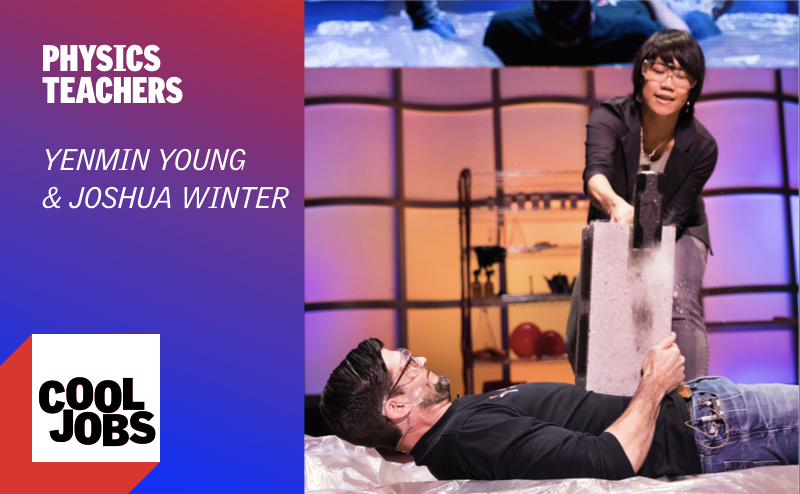
Smashing sledgehammers, ducking spike-covered pendulums, tug or war matches in socks are all part of the physics classes of @BASISIndBK Joshua Winters and @NYCSchools Yenmin Young. Science teachers prepare tomorrow’s …
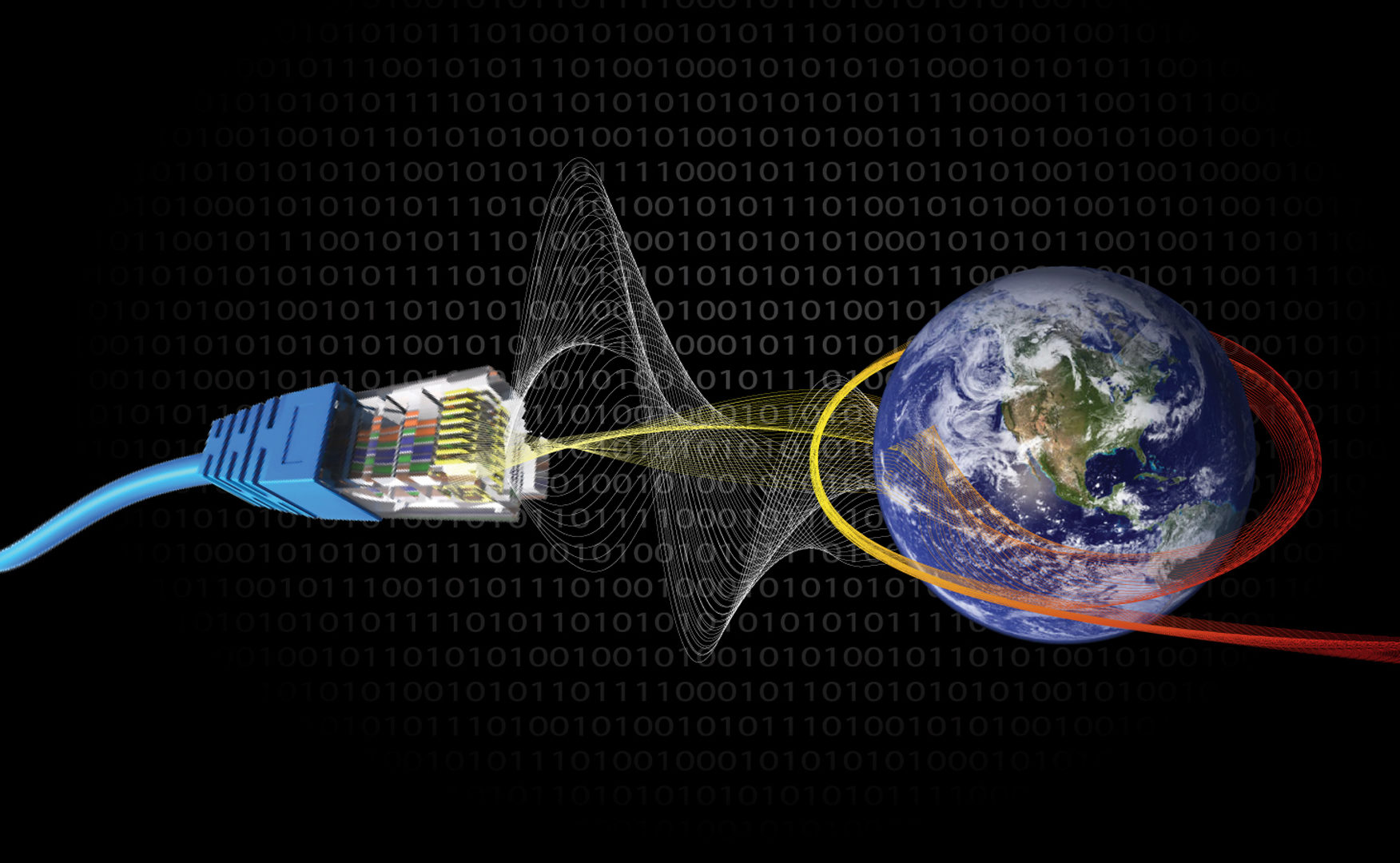
Disruptive technologies uproot culture, can precipitate wars and even topple empires. By this measure, human history has seen nothing like the internet. From social upheaval and ever-shifting privacy standards to self-driving cars and networked groceries, this eye-opening program provides a stunning glimpse of what’s around the corner.
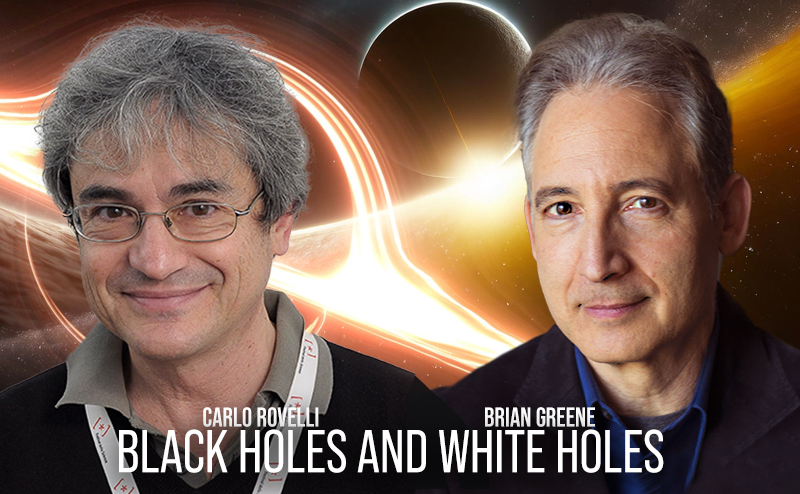
Progress in the last decade has established that black holes are real, but what about their time-reversed cousins, white holes? Renowned physicist and author Carlo Rovelli joins Brian Greene to …
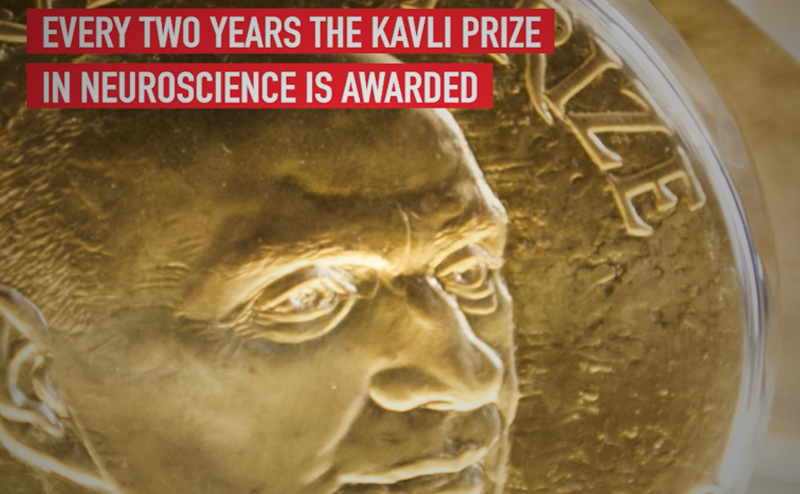
This video is part of our Brilliant Breakthroughs series: our new 20-episode mini-series exploring the “Eureka!” moments and proud accomplishments of the greatest scientific minds of our time. Join us …

Prominent clashes — both historical and contemporary — have led to the widely held conclusion that science and religion are fundamentally incompatible. Yet, many scientists practice a traditional faith, having found a way to accommodate both scientific inquiry and religious teaching in their belief system.