Search Icon




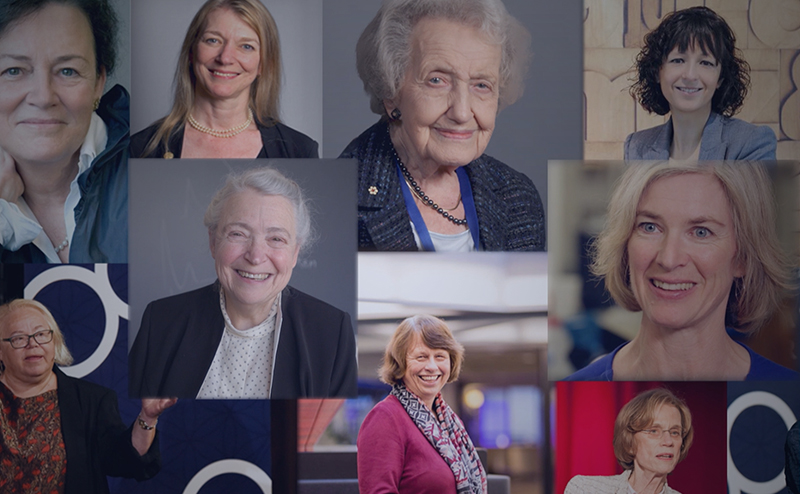
This video is part of our Brilliant Breakthroughs series: our new 20-episode mini-series exploring the “Eureka!” moments and proud accomplishments of the greatest scientific minds of our time. Join us …
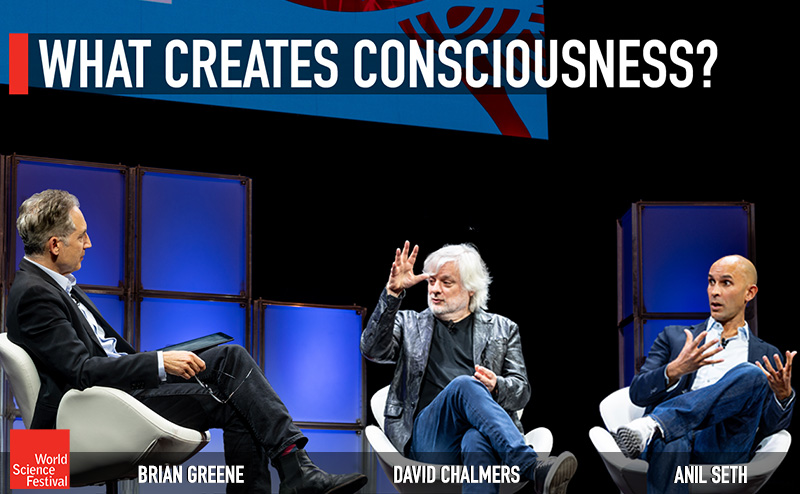
Renowned researchers David Chalmers and Anil Seth join Brian Greene to explore how far science and philosophy have gone toward explaining the greatest of all mysteries, consciousness–and whether artificially intelligent …
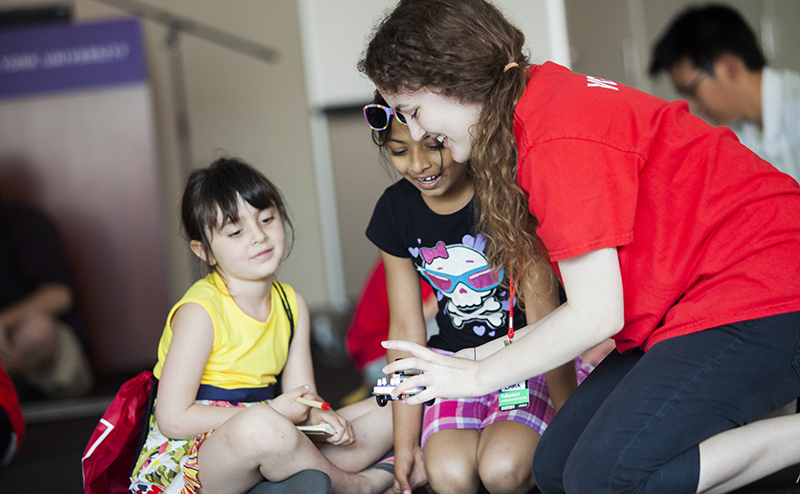
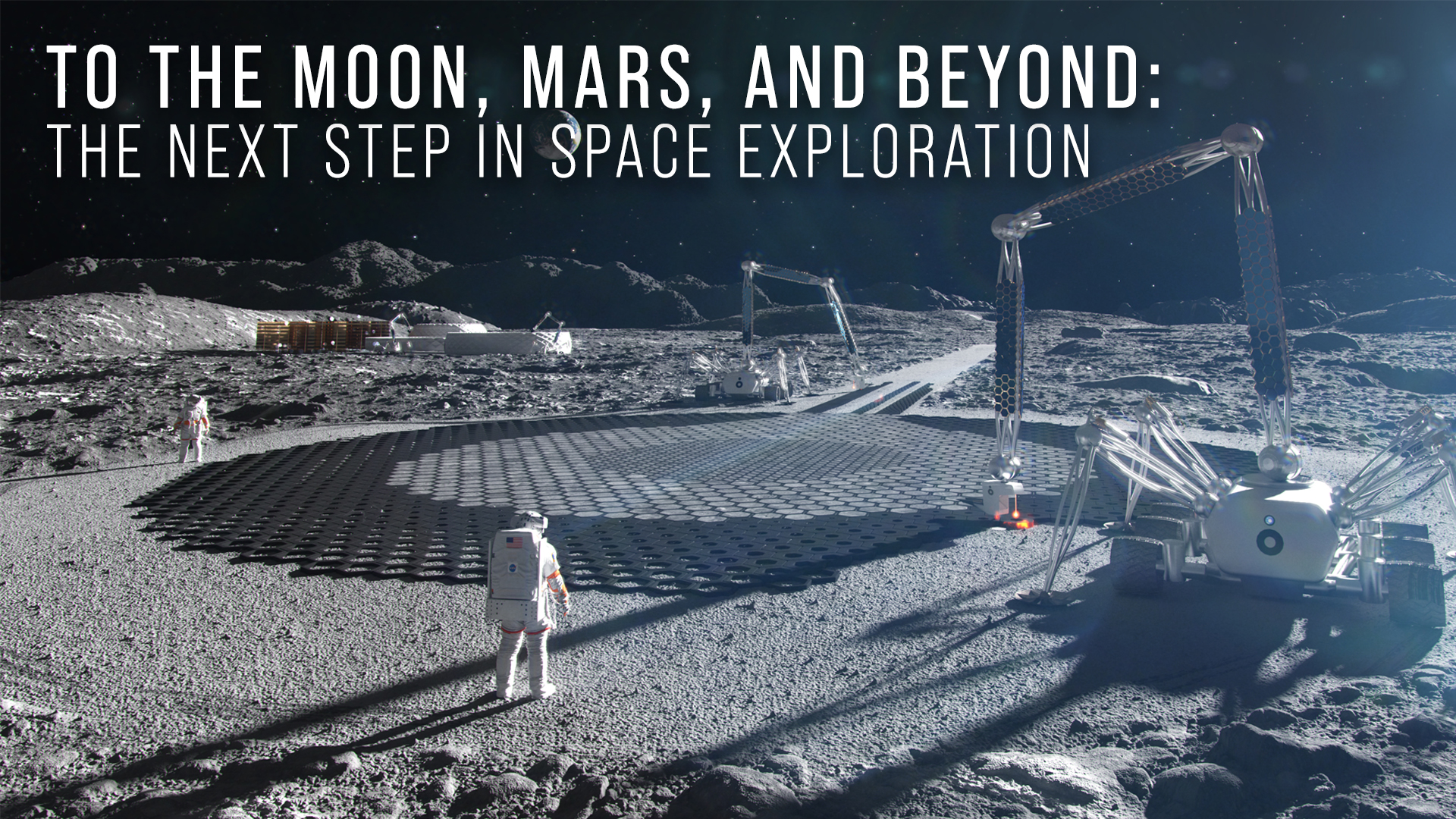
A NASA scientist prints 3D homes on Mars. An anthropologist solves mummy mysteries. An engineer tests new toys every day. What do these people have in common? A science job! Meet them all (and more) during this interactive event that gives everyone the chance to try each cool job for themselves.
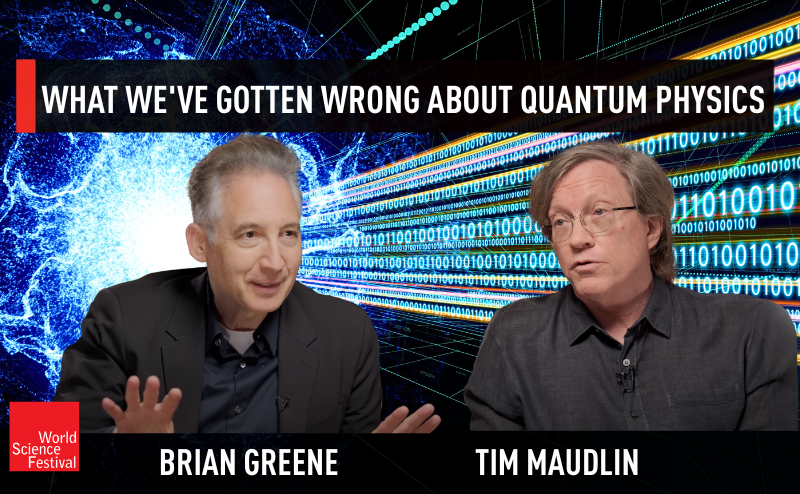
Are there unresolved foundational questions in quantum physics? Philosopher Tim Maudlin thinks so, and joins Brian Greene to explore possible answers. This program is part of the Big Ideas series, …
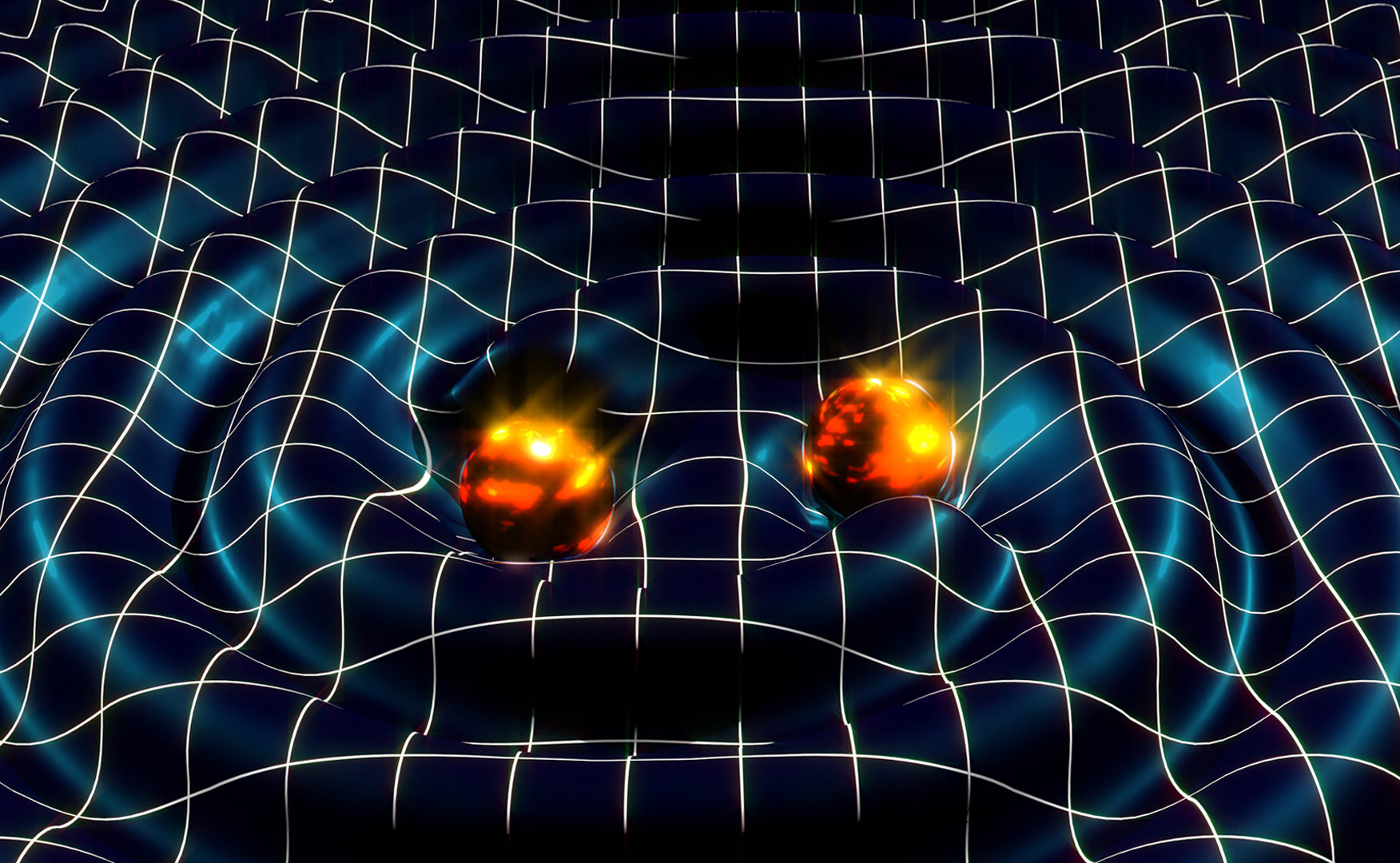
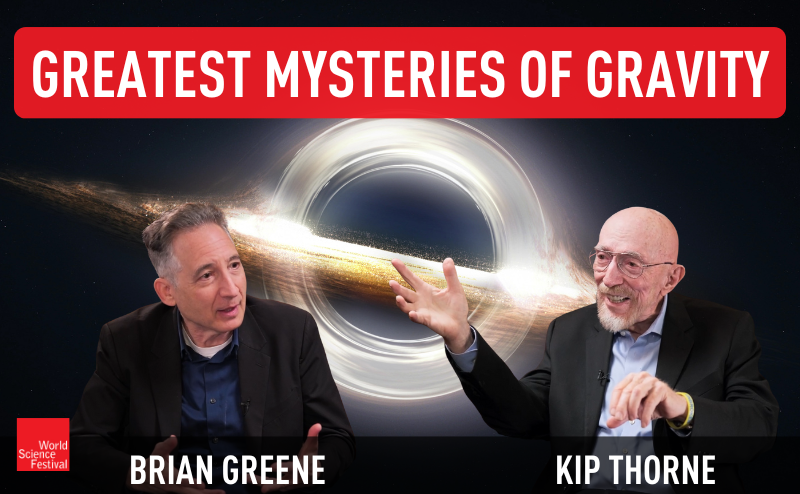
On September 14th, 2015, a ripple in the fabric of space, created by the violent collision of two distant black holes over a billion years ago, washed across the Earth. As it did, two laser-based detectors momentarily twitched, confirming a century-old prediction by Albert Einstein and marking the opening of a new era in astronomy.
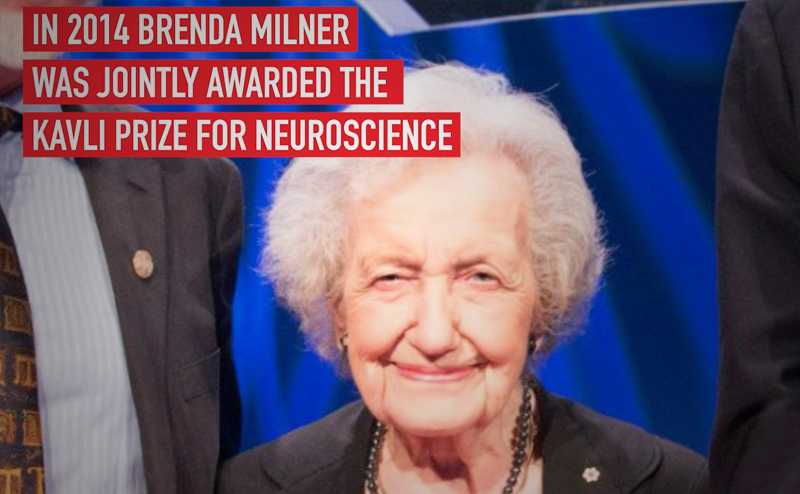
This video is part of our Brilliant Breakthroughs series: our new 20-episode mini-series exploring the “Eureka!” moments and proud accomplishments of the greatest scientific minds of our time. Join us …