Search Icon



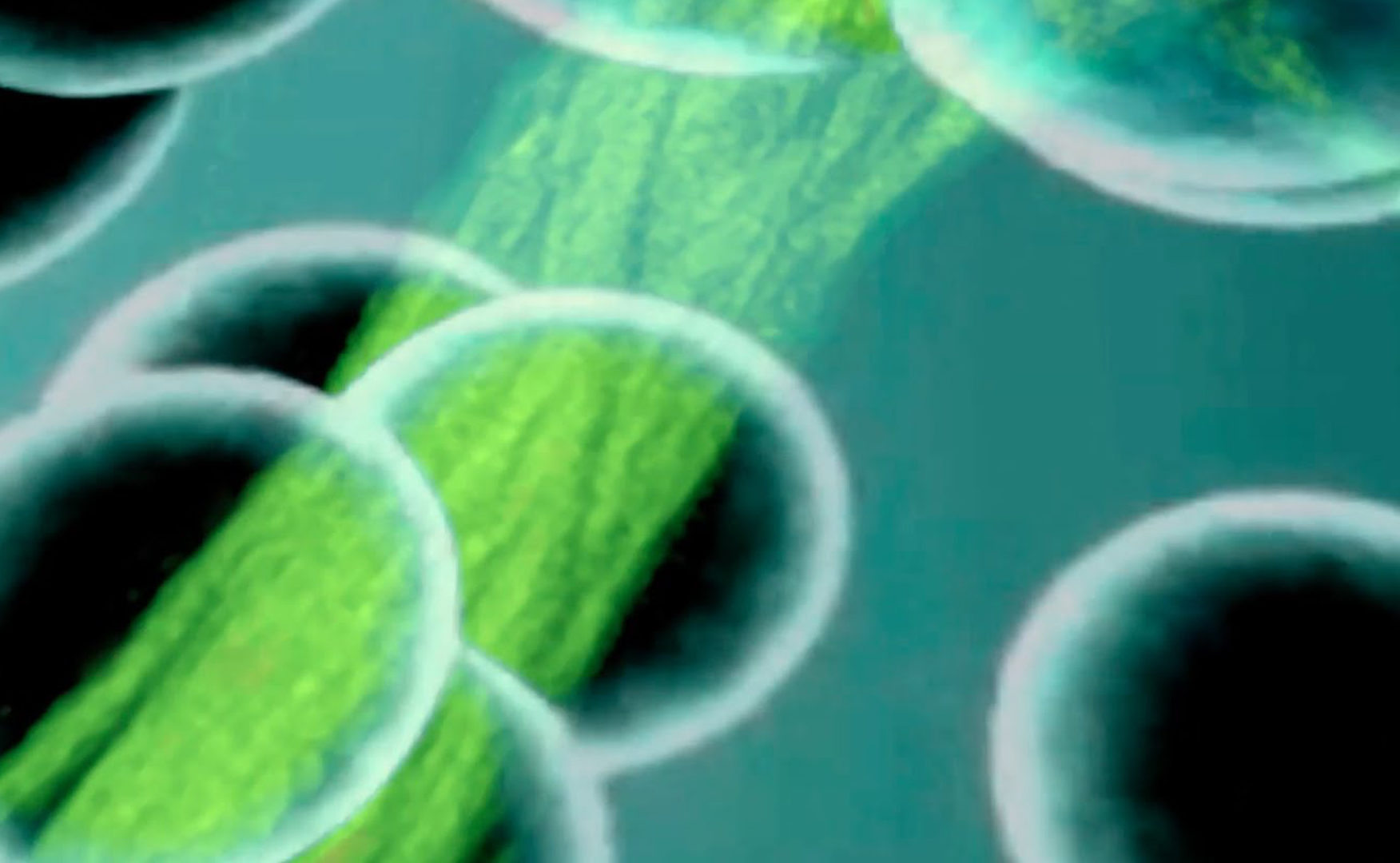
What does fear smell like? Love? Can we use scent to control behavior? Do humans really sense pheromones? What if you could diagnose diseases just by smelling them? And exactly how does our brain convert floating organic molecules into chemical signals that our brain processes as odor?
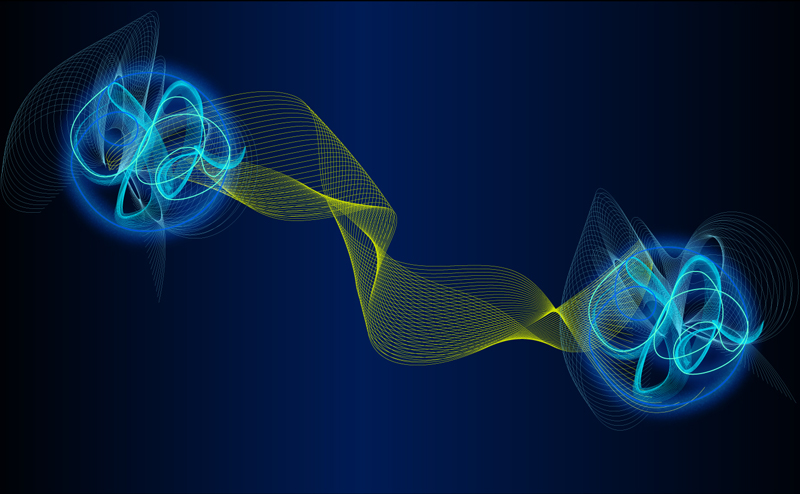
In 1935, Albert Einstein and two colleagues published a landmark paper revealing that quantum mechanics allows widely separated objects to influence one another, even though nothing travels between them. Einstein called it spooky and rejected the idea, arguing instead that it exposed a major deficiency in the quantum theory.
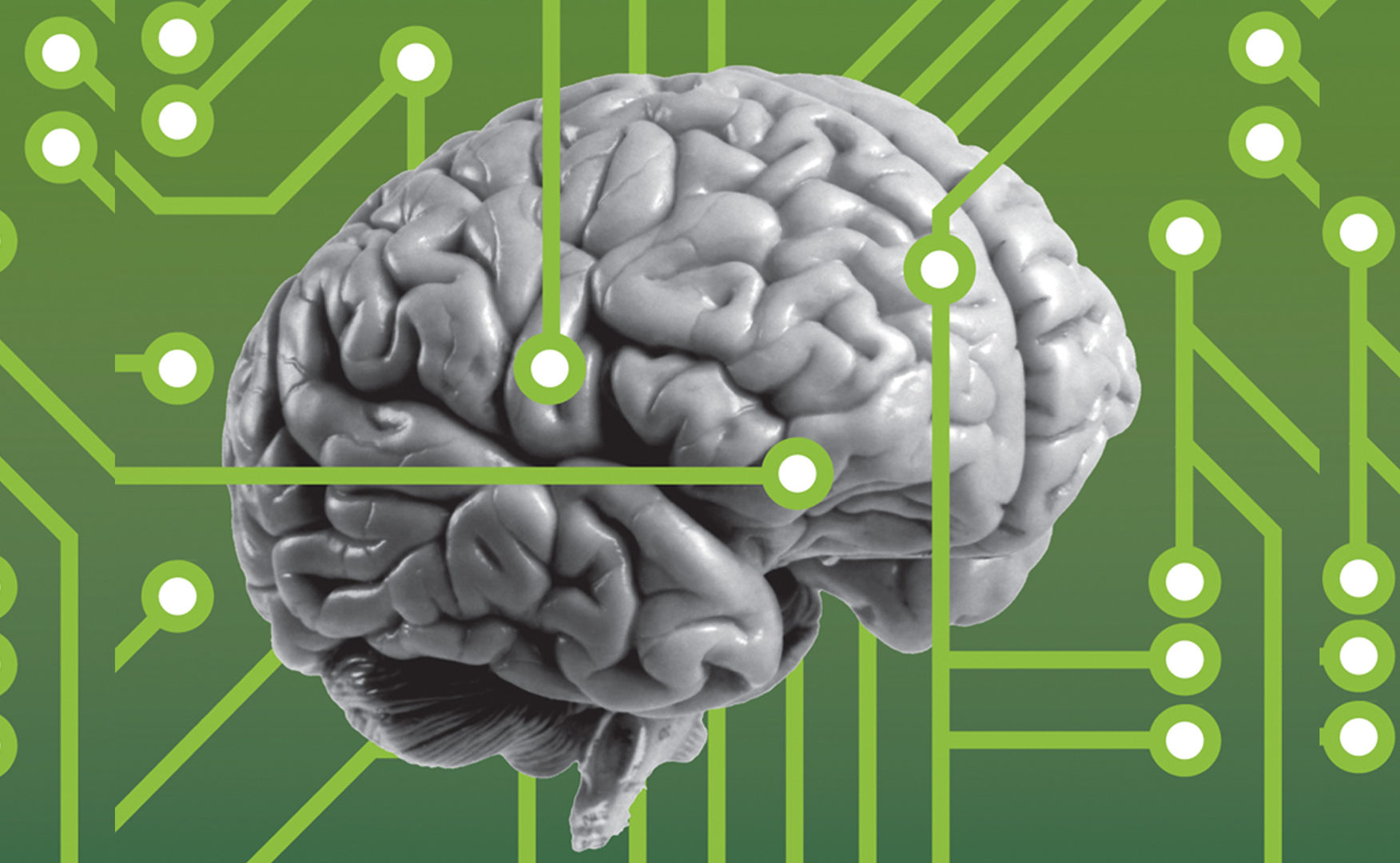
Creative thought is surely among our most precious and mysterious capabilities. But can powerful computers rival the human brain? As thinking, remembering and innovating become increasingly interwoven with technological advances, what are we capable of? What do we lose? Join Luciano Floridi, John Donoghue, Gary Small and Rosalind Picard for a thought-provoking program about thinking.
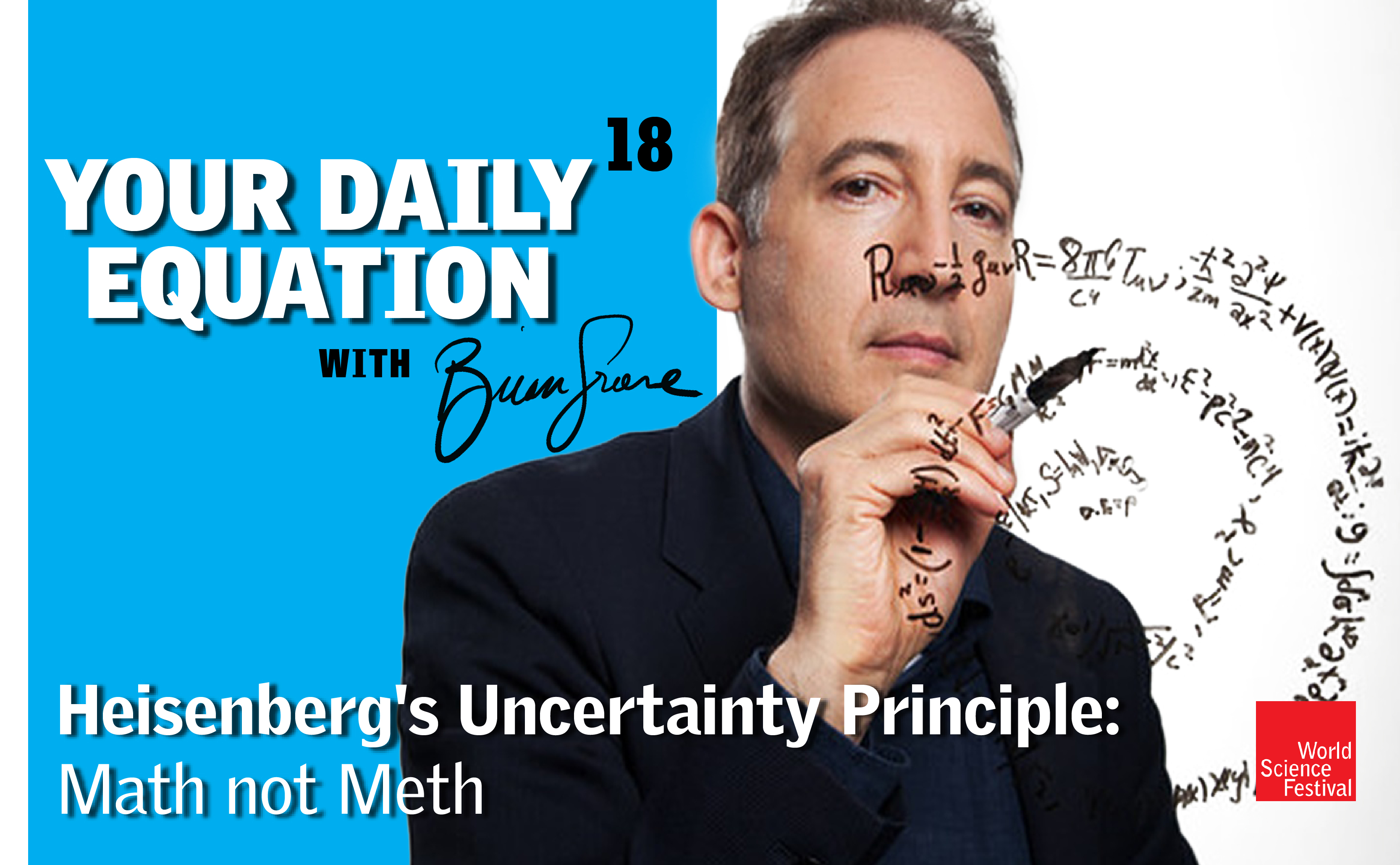
Join us for #YourDailyEquation with Brian Greene. Every Mon – Fri at 3pm EDT, Brian Greene will offer brief and breezy discussions of pivotal equations. Even if your math is a …
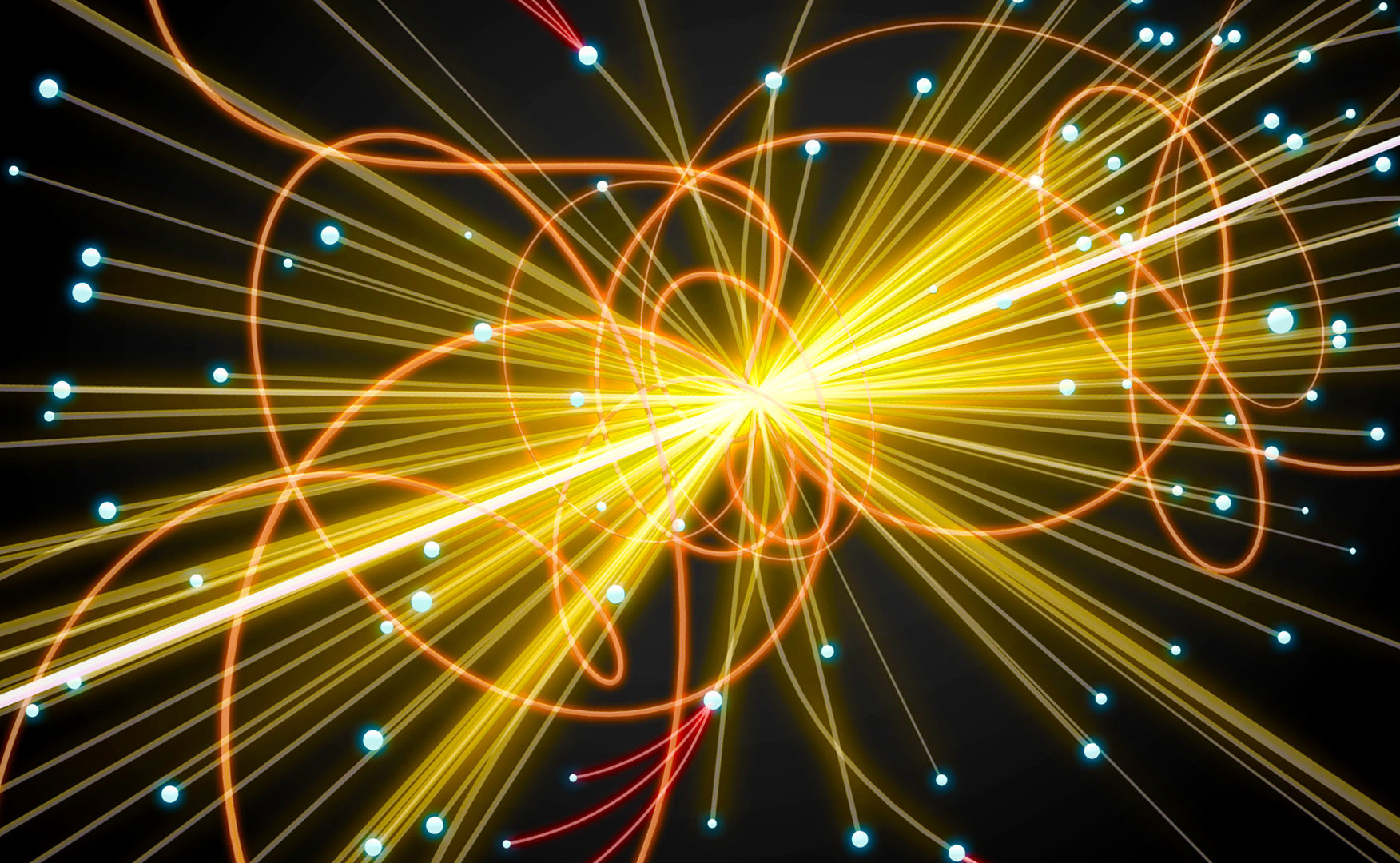
Come venture deep inside the world’s biggest physics machine, the Large Hadron Collider. This extraordinary feat of human engineering took 16 years and $10 billion to build, and just weeks ago began colliding particles at energies unseen since a fraction of a second after the big bang.
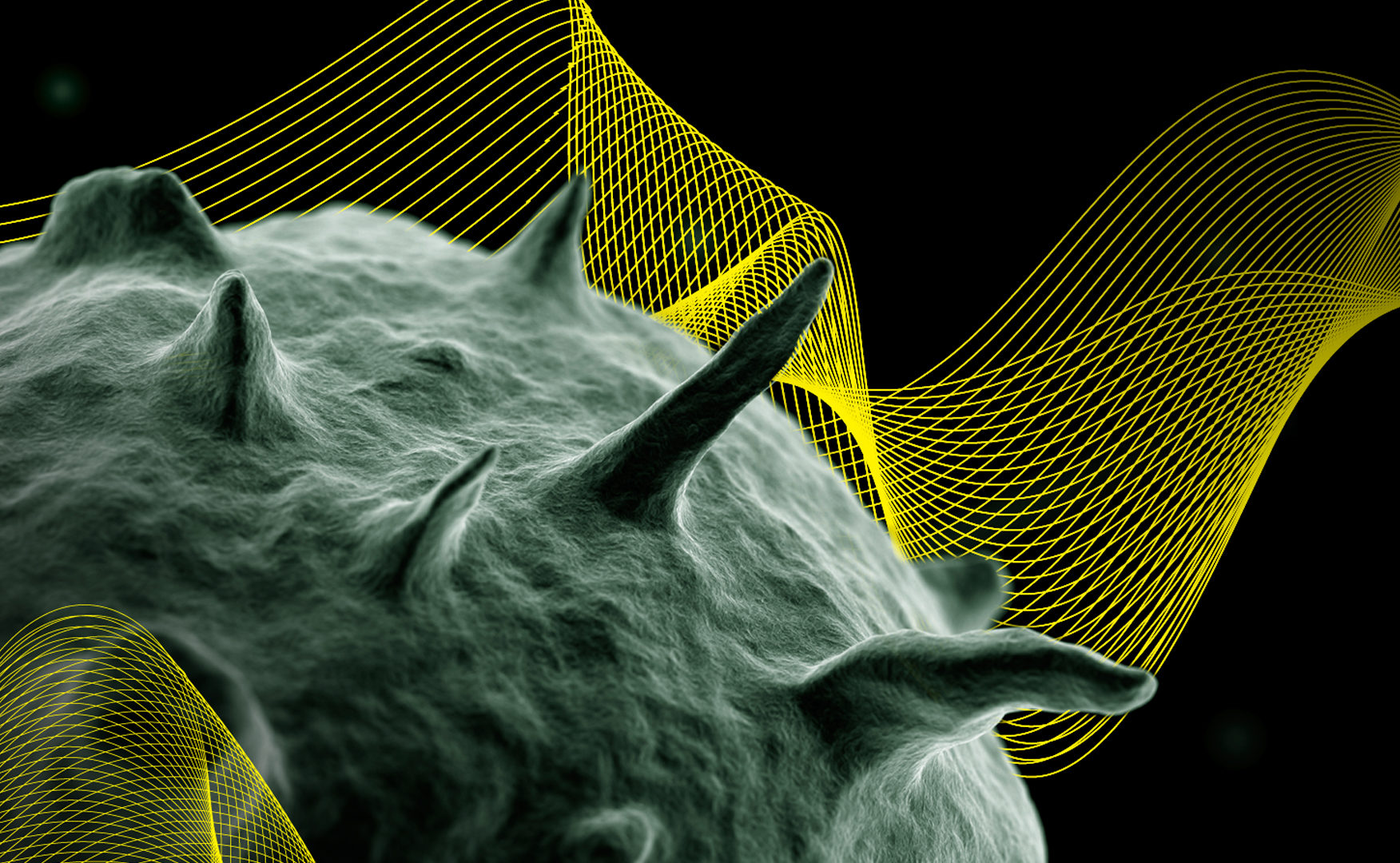
Imagine beating every strain of flu with a single jab. Wiping out your risk of some lethal cancers, HIV, and Ebola during a routine doctor’s visit. That’s the promise of next-generation vaccines, and researchers are closing in on the basic science needed to bring them to reality.