Search Icon



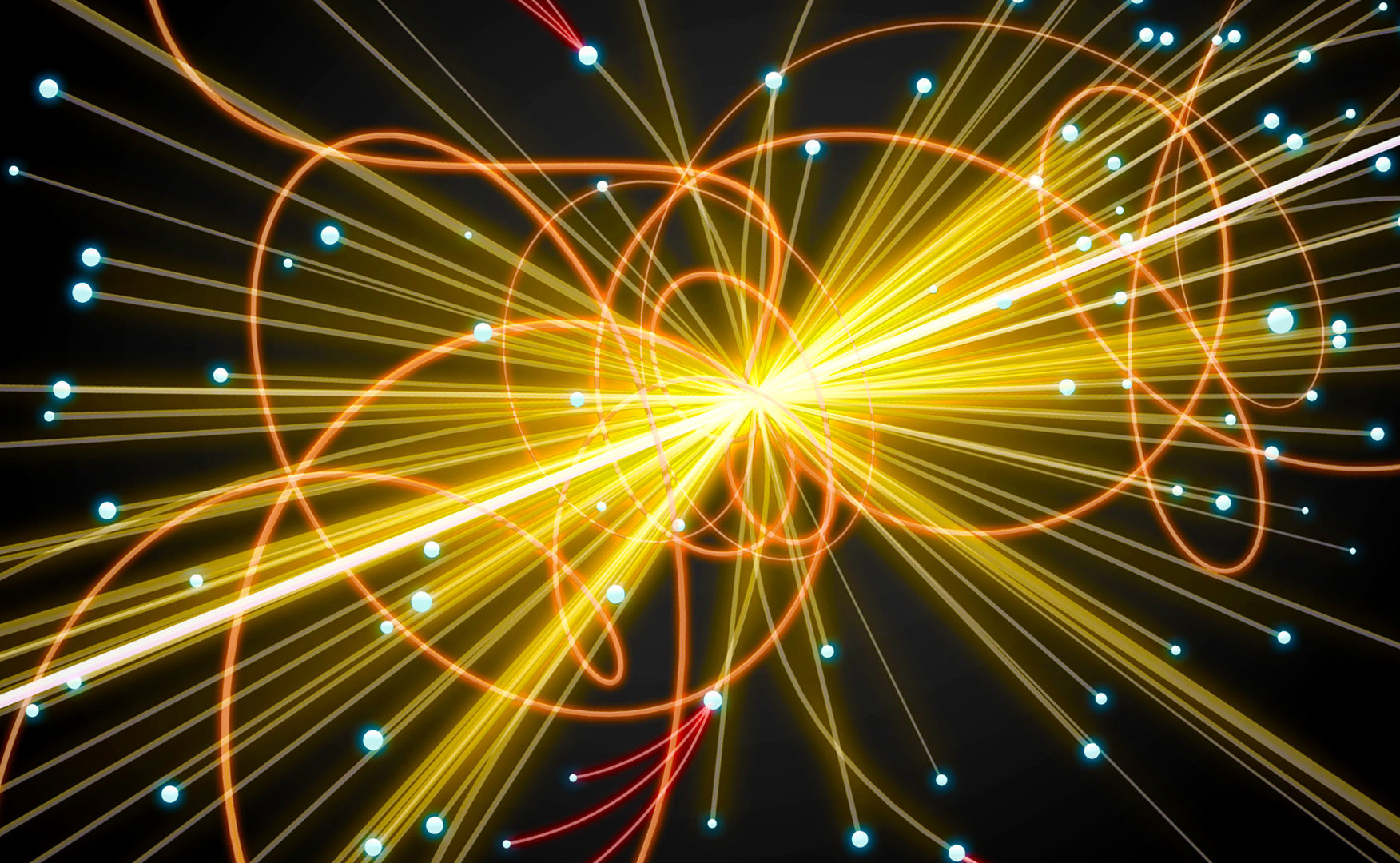
Come venture deep inside the world’s biggest physics machine, the Large Hadron Collider. This extraordinary feat of human engineering took 16 years and $10 billion to build, and just weeks ago began colliding particles at energies unseen since a fraction of a second after the big bang.
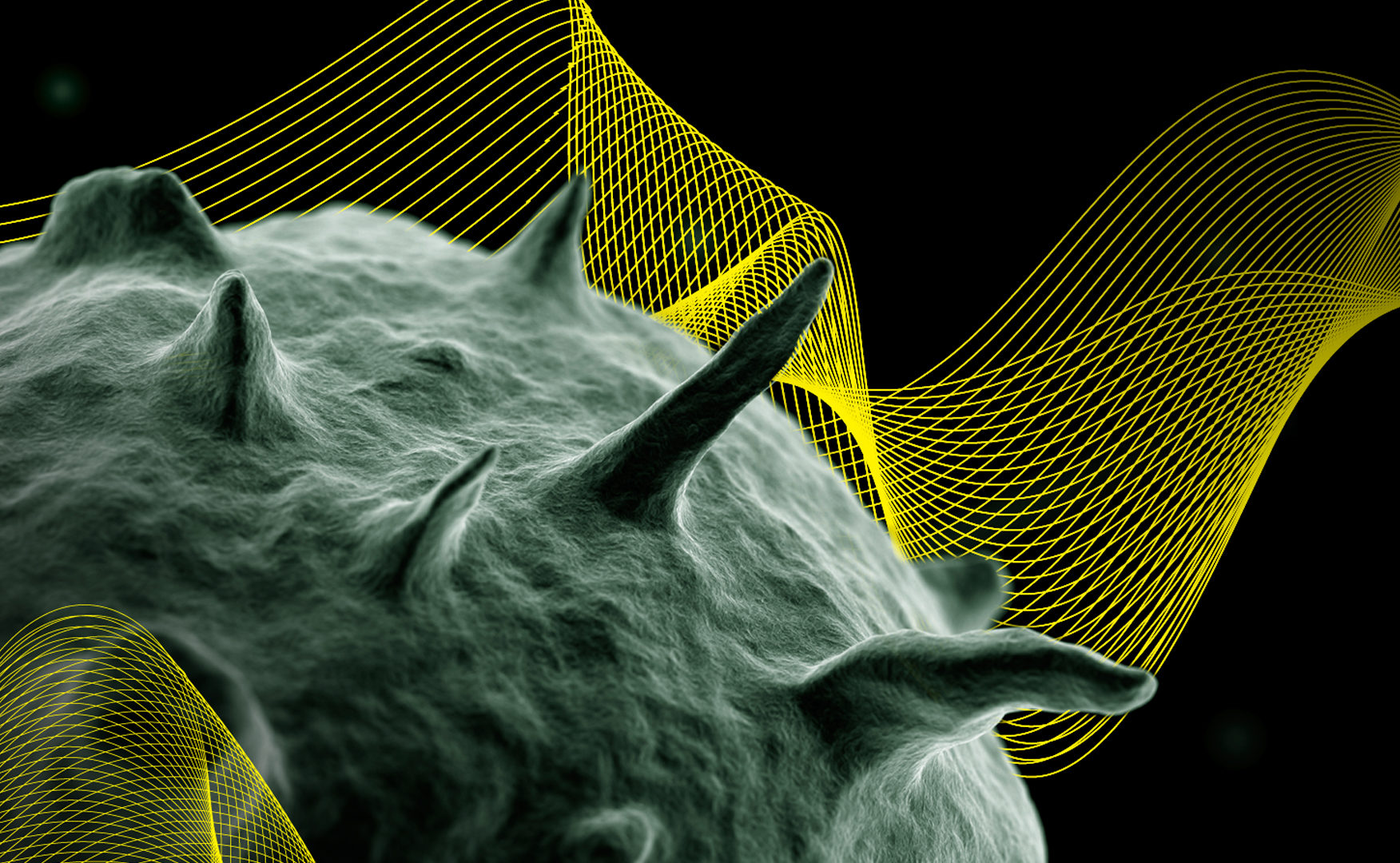
Imagine beating every strain of flu with a single jab. Wiping out your risk of some lethal cancers, HIV, and Ebola during a routine doctor’s visit. That’s the promise of next-generation vaccines, and researchers are closing in on the basic science needed to bring them to reality.
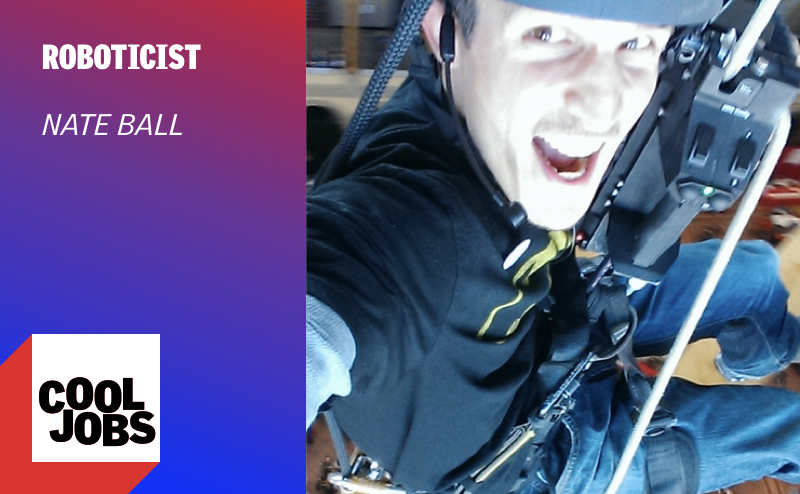
Nate Ball’s appetite for invention began with hovercrafts and Tesla coils and led to building his revolutionary ascender that uses a reliable motor to raise rescuers by a rope. These …
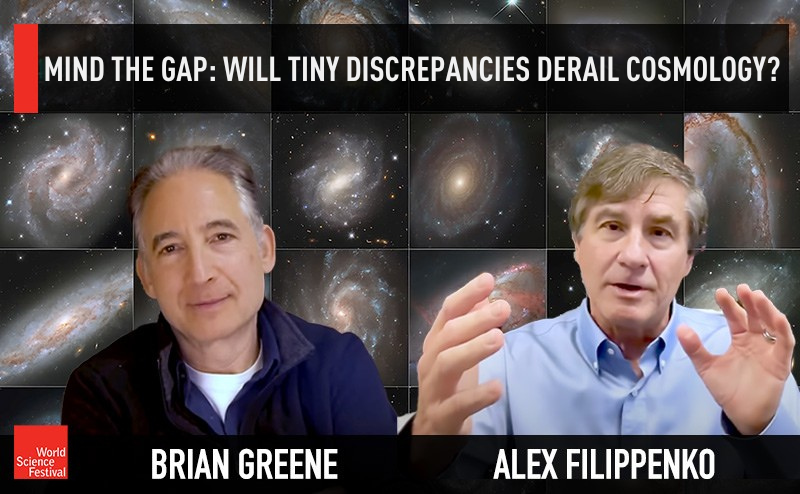
Renowned astrophysicist and educator Alex Filippenko joins Brian Greene to discuss an increasingly disturbing cosmological mismatch known as the Hubble Tension, a gap that may require a radical rewriting of …

Biomedical and forensic anthropologist Angelique Corthals travels the world uncovering 3,000 year old fossils and more in her exciting job to unearth mysteries of mummies. Episode filmed live at the …
The prestigious Kavli Prizes recognize scientists for major advances in three research areas: astrophysics, nanoscience and neuroscience—the big, the small and the complex. The 2016 winners, sharing a cash award of $1 million in each field, will be announced via live satellite from the Norwegian Academy of Science and Letters in Oslo.