Search Icon



In the future, a woman with a spinal cord injury could make a full recovery; a baby with a weak heart could pump his own blood. How close are we today to the bold promise of bionics—and could this technology be used to improve normal human functions, as well as to repair us?

The mysteries of dark matter and dark energy may be evidence that we don’t fully understand the force of gravity. But when it comes to a force that has been studied mathematically and probed observationally for hundreds of years, what do we still need to learn?
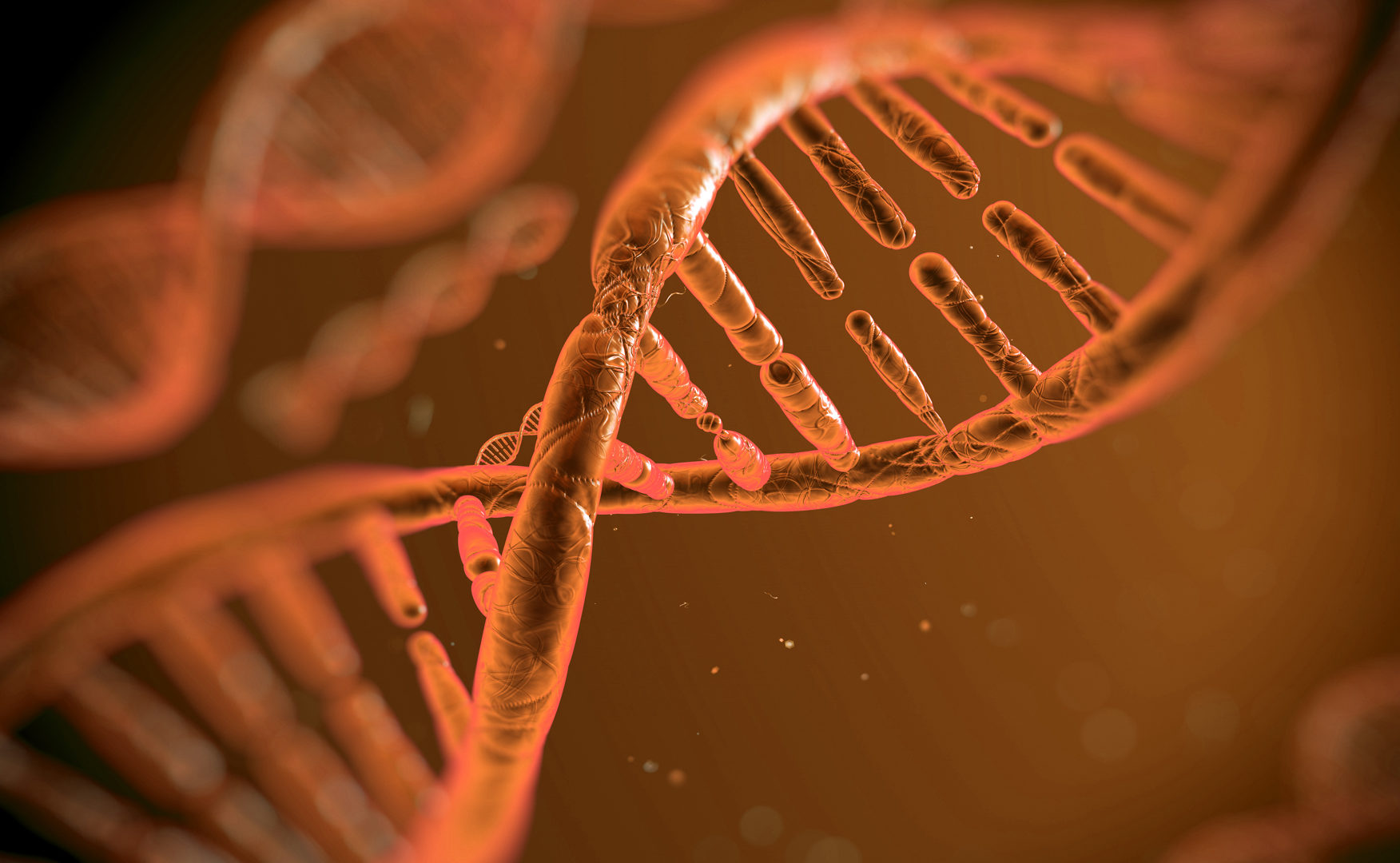
The deadly scourge of cancer has confounded doctors since ancient Egypt. Now, The Cancer Genome Atlas (modeled after the Human Genome Project) promises a new and powerful approach in this age-old battle.
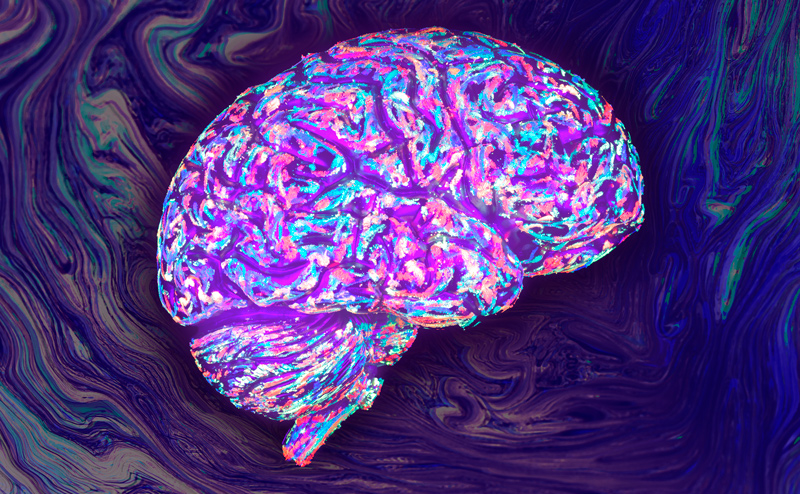
Nearly every culture throughout history has used chemicals that alter consciousness for spiritual exploration. In the 20th century these drugs caught the attention of scientists. Psychedelics, as they were named, …
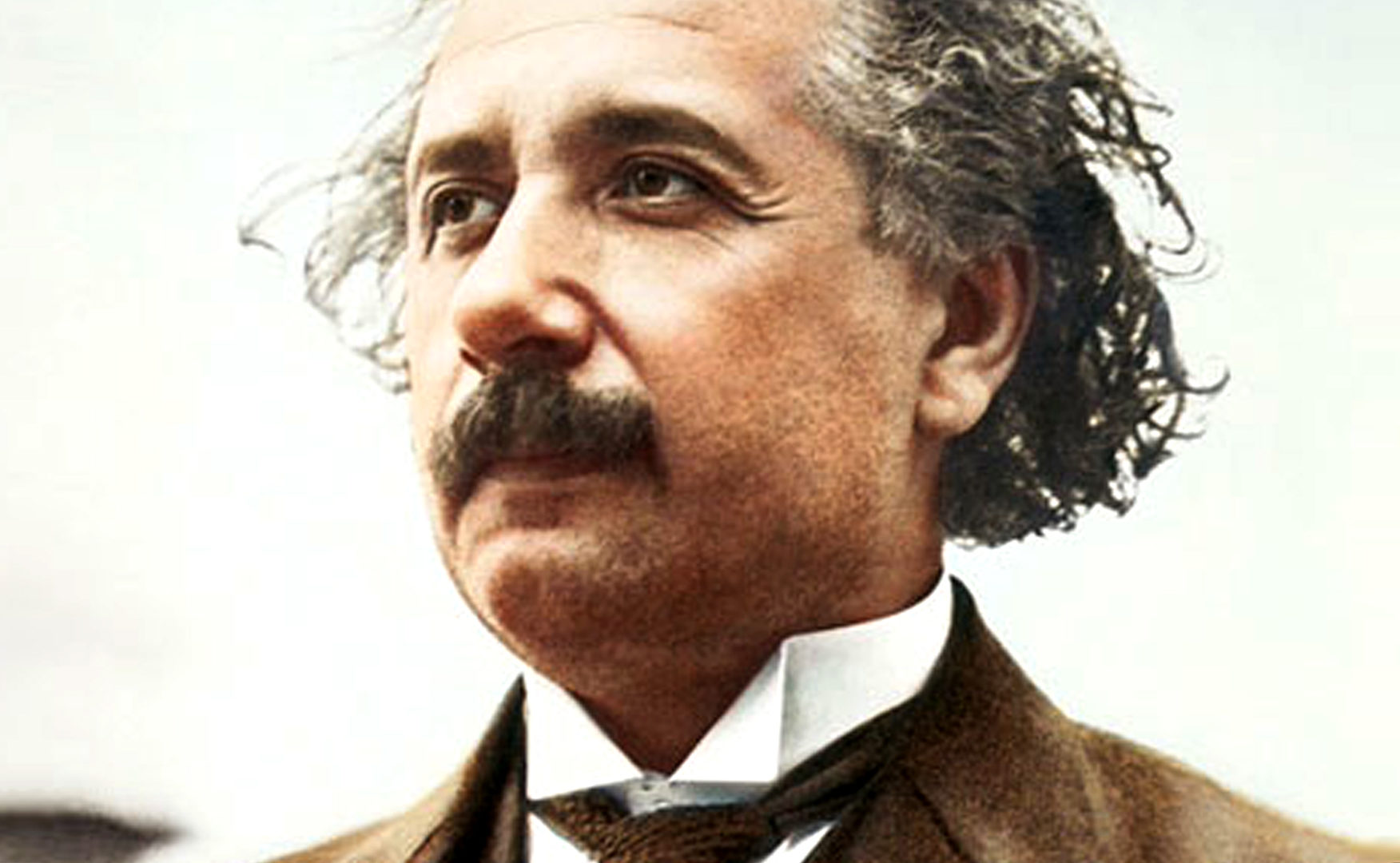
Albert Einstein spent his last thirty years unsuccessfully searching for a ‘unified theory’ — a single master principle to describe everything in the universe, from tiny subatomic particles to immense clusters of galaxies. In the decades since, generations of researchers have continued working toward Einstein’s dream.
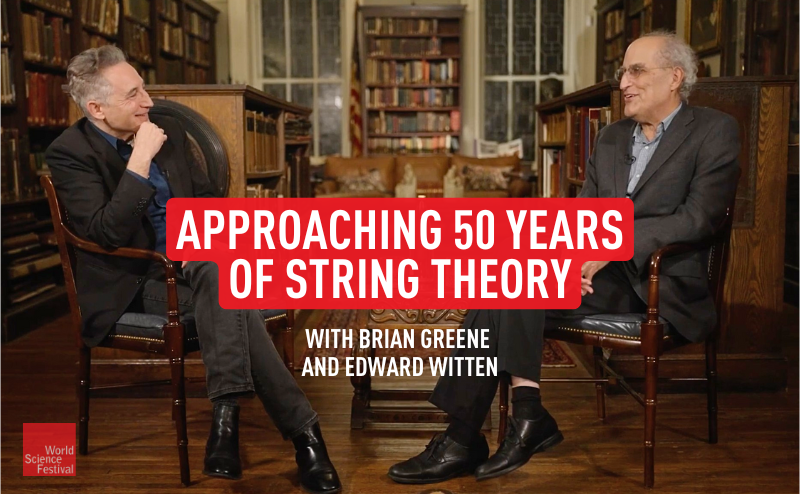
Edward Witten, widely regarded as one of the greatest living theoretical physicists, sits down with Brian Greene to explore the deepest questions at the frontiers of modern science. From string …