Search Icon



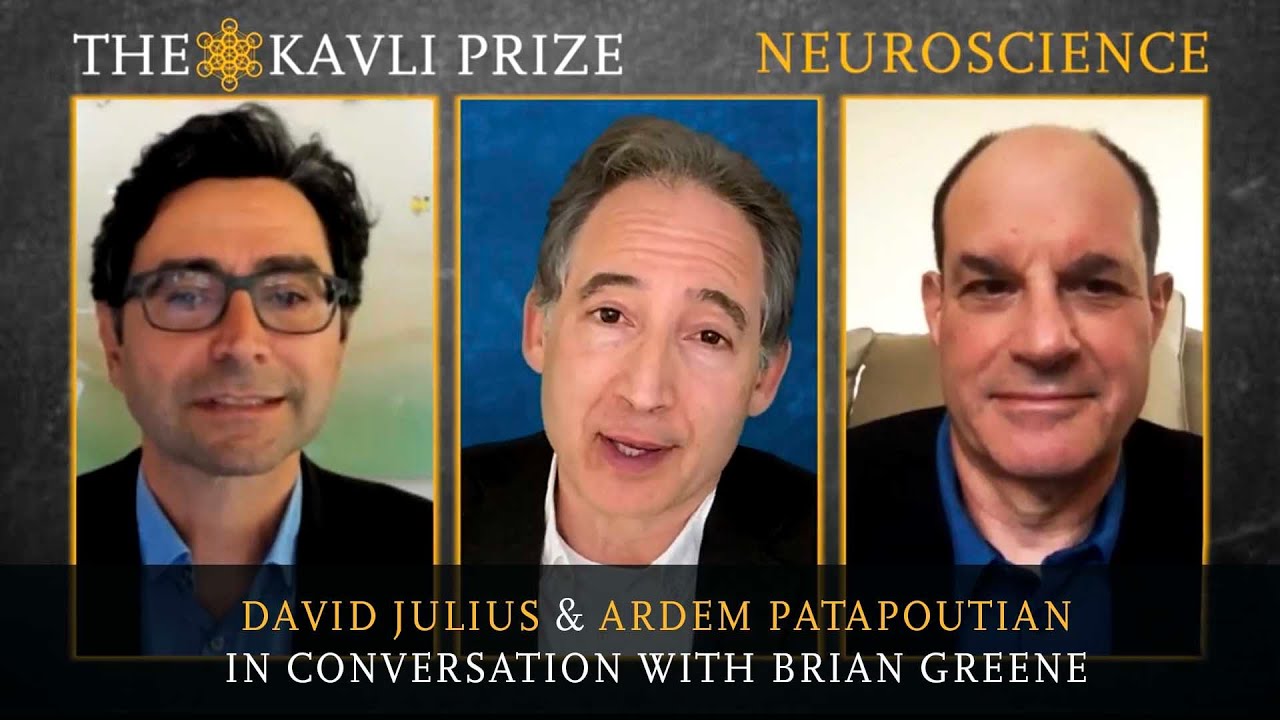
The 2020 Kavli Prize In Neuroscience is awarded to David Julius and Ardem Patapoutian for their transformative discovery of receptors for temperature and pressure. 2020 marks the twelfth anniversary of …
We’re born, we grow old, we die. It’s a rhythm long considered inevitable. But is it? Or is aging merely a disease awaiting a cure? Will science one day stave …
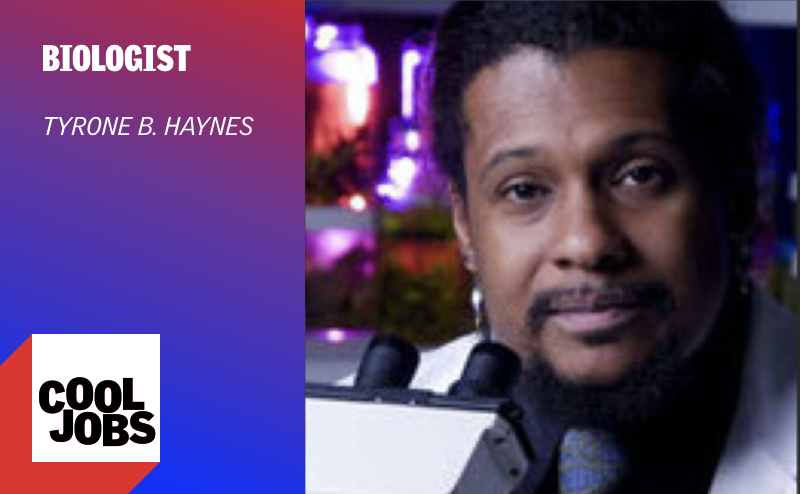
Amphibian biologist Tyrone Hayes’s boyhood love of frogs turned into a career of adventure. Hear how he uncovered farming chemicals that give male frogs female reproductive capabilites, a discovery that …
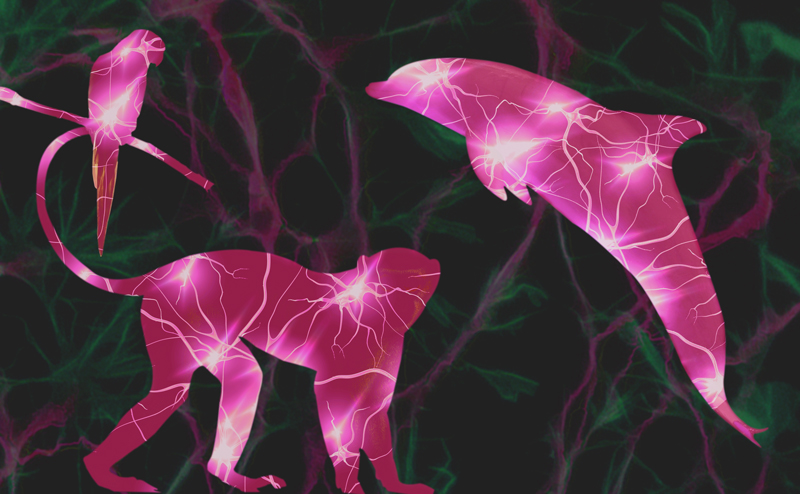
Intelligence was once thought to be uniquely human. But researchers have discovered astonishing cognitive abilities in many other species—not just our close cousins like chimps, or fellow mammals like dolphins—but …
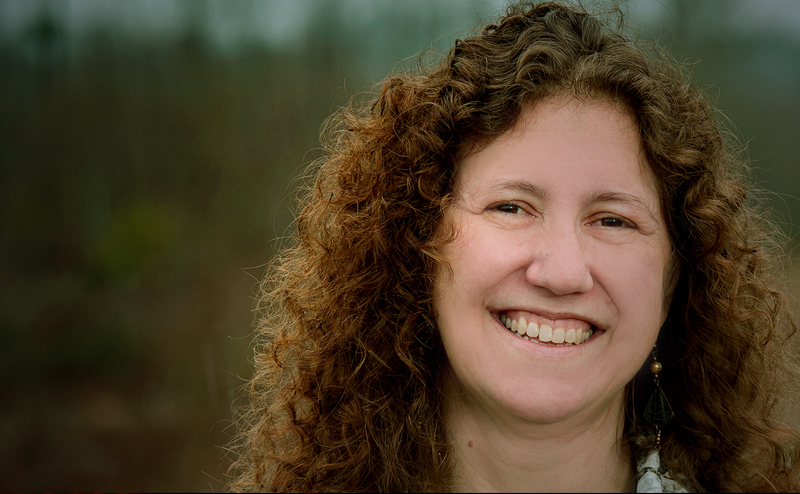
Great minds inspire greatness in others, which is why the Pioneers in Science program gives high school students from around the globe rare access to some of the world’s most …
By 2050, one of every four people on Earth will go hungry unless food production more than doubles. Science-based agriculture has proposed unconventional new tools—earthworms, bacteria, and even genes from sunny daffodils—to meet this towering challenge. But will such innovative ideas be enough?