Search Icon




By 2050, one of every four people on Earth will go hungry unless food production more than doubles. Science-based agriculture has proposed unconventional new tools—earthworms, bacteria, and even genes from sunny daffodils—to meet this towering challenge. But will such innovative ideas be enough?
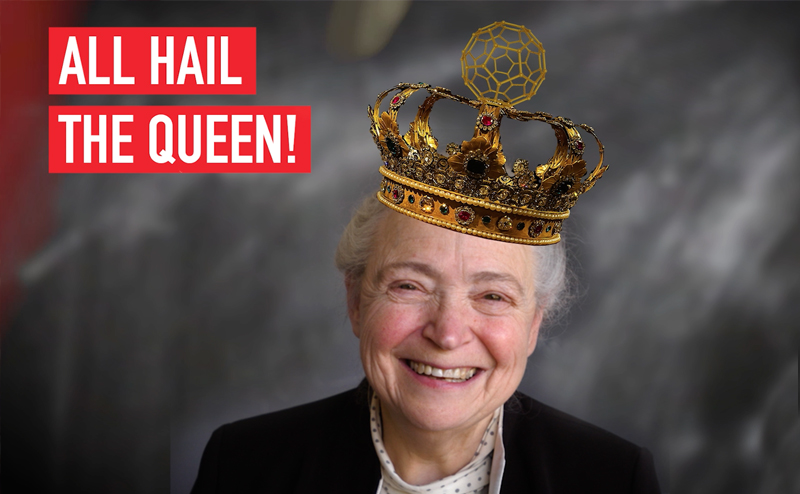
In 1955, a young scientist named Mildred Dresselhaus was told “women have no place in physics!”. Despite this, she became the “Queen of Carbon” and a champion of women in …
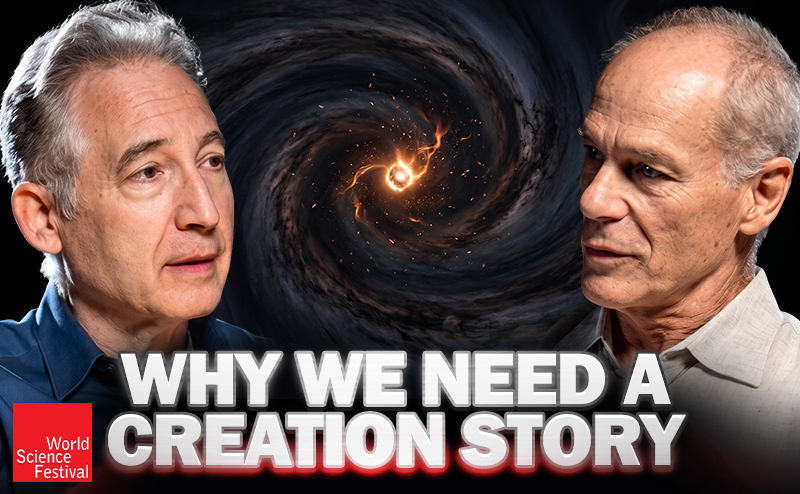
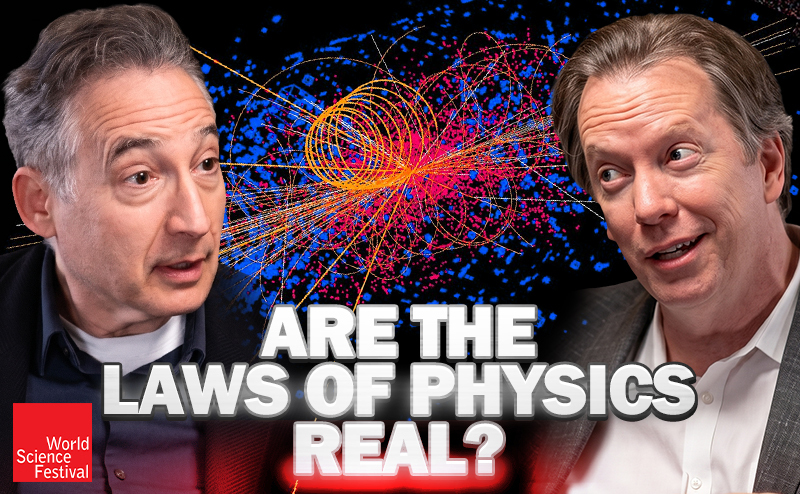
Do we invent the laws of physics? Why are we driven to find explanations? Brian Greene sits down with Marcelo Gleiser, theoretical physicist at Dartmouth College and Templeton Prize winner, …
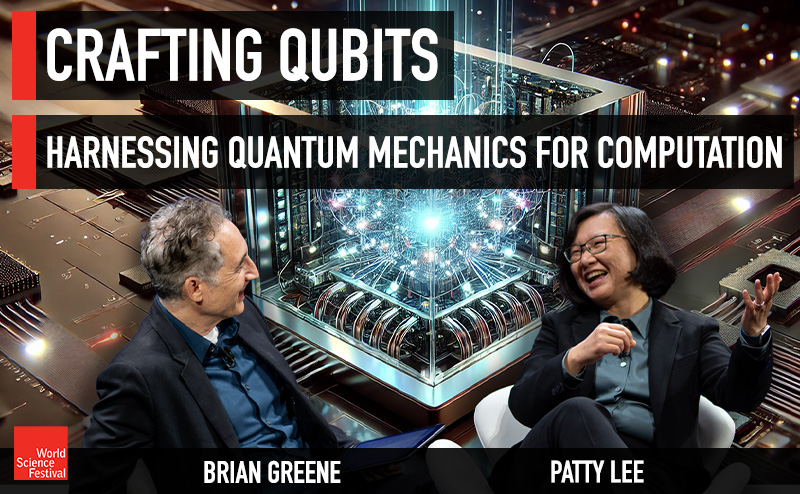
How do we actually create and manipulate qubits, essential for realizing quantum computation? Chief Scientist of Hardware Technology Development at Quantinuum, Patty Lee, joins Brian Greene to discuss various quantum …

There is little doubt that Mars will be the next step in our continuing march to the skies, with some predicting we will take that giant leap within the next …
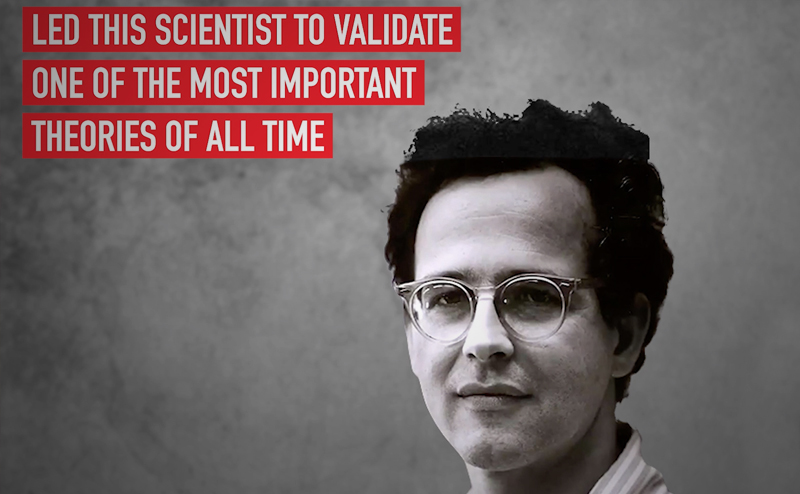
This video is part of our Brilliant Breakthroughs series: our new 20-episode mini-series exploring the “Eureka!” moments and proud accomplishments of the greatest scientific minds of our time. Join us …